
Sialkot, Pakistan  |  ISO 13485:2016 & ISO 9001 Certified Manufacturer [email protected] +92-524-263953
0%

Choosing the right Surgical Needle Holders can influence suture control, operating speed, and surgeon comfort. For global buyers, the decision involves more than comparing prices or polished product photos. Jaw alignment, ratchet security, handle balance, and resistance to repeated sterilization deserve close attention.

This 2026 guide examines Surgical Needle Holders through practical purchasing criteria. It considers common sizes, curved and straight designs, tungsten carbide inserts, surface finishing, and grip ergonomics. A reliable holder should secure a needle without crushing it. Its ratchet should open smoothly and lock predictably. Small details matter. A stiff joint can increase hand fatigue during a long procedure.

The assessment also considers manufacturer experience, quality documentation, traceability, and communication support. Buyers may need material certificates, inspection records, sterilization guidance, and consistent packaging. These details help hospitals, distributors, and surgical suppliers reduce avoidable procurement risks. Yet no single model fits every specialty or hand size. A holder that feels precise in one surgeon’s hand may feel awkward in another’s. That limitation deserves honest attention.

Product rankings can change with production batches, testing methods, and user expectations. Sample evaluation remains valuable before large orders. Check the jaws under bright light. Test the ratchet with representative needles. Inspect hinge movement after cleaning cycles. This guide aims to support informed decisions, not replace clinical judgment or institutional purchasing procedures. Reliable sourcing takes evidence, comparison, and occasional reconsideration.
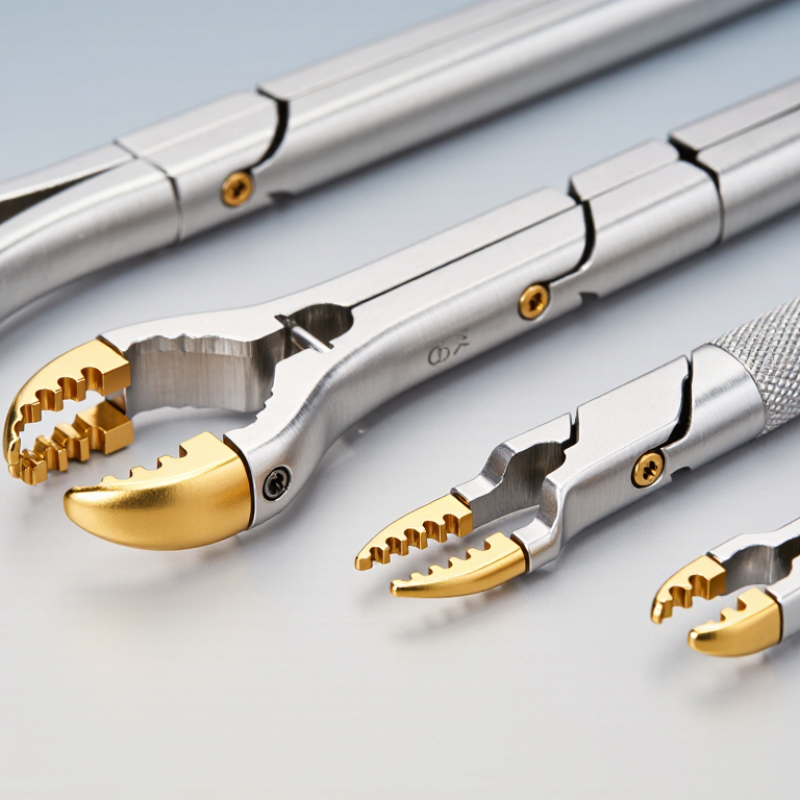
2026 Best Surgical Needle Holders for Global Buyers

What Are Surgical Needle Holders and Why Do They Matter?

Surgical needle holders, also called needle drivers, are hand instruments designed to grasp and guide needles during suturing. Their jaws secure the needle without crushing it, while the handle gives the clinician controlled movement. Common designs include curved or straight jaws, smooth or textured surfaces, and locking ratchets. Each feature changes handling in a real operating field.

Their importance becomes clear when precision matters. A stable grip helps the surgeon place stitches at consistent depth and spacing. It can also reduce needle slippage, tissue trauma, and unnecessary hand movement. Proper balance matters too. An overly stiff ratchet may tire the hand, while a weak lock can release the needle unexpectedly. Small differences become noticeable after repeated use.

Global buyers should examine jaw alignment, hinge smoothness, corrosion resistance, and compatibility with validated sterilization processes. Product dimensions must match the intended procedure, not only the catalogue photograph. Traceable material information and clear reprocessing instructions support safer purchasing decisions. A polished surface alone proves little. No needle holder suits every technique, and this is easy to forget during price comparisons. Testing samples under realistic conditions may reveal rough edges, poor balance, or an uncomfortable grip. Those findings can challenge an otherwise attractive specification sheet.

Main Types of Surgical Needle Holders and Their Clinical Uses

2026 Best Surgical Needle Holders for Global Buyers

Main Types of Surgical Needle Holders and Their Clinical Uses

Surgical needle holders differ by jaw design, handle shape, and needle control. Mayo-Hegar holders suit general surgery and heavier suture needles. Their broad jaws provide steady grip during abdominal closure. Olsen-Hegar models combine needle holding with scissors, saving instrument changes in busy procedures. However, the cutting feature can weaken delicate suture if alignment is poor.

Mathieu holders use spring handles and work well in superficial closures. Castroviejo holders offer fine control in ophthalmic, vascular, and microsurgical work. Their narrow tips suit small needles, but they demand careful finger pressure. According to a Lancet analysis, about 234 million major operations occur worldwide each year. This volume increases the need for reliable, procedure-specific instrument selection. Still, global demand does not make one design suitable for every operating room.

Tips: Match jaw length to needle size. Check the ratchet under bright light. Test closure with a spare needle. For delicate tissue, choose smooth jaws and lighter tension. For deeper fields, longer handles improve reach. Do not rely on catalog images alone; hinge stiffness is difficult to judge online. The WHO Surgical Safety Checklist supports standardized preparation, yet needle-holder checks are often overlooked. That gap deserves reflection. A holder may look precise, but poor maintenance can cause needle rotation, tissue trauma, or dropped needles.

Key Features for Comparing Surgical Needle Holder Performance

2026 Best Surgical Needle Holders for Global Buyers

Key Features for Comparing Surgical Needle Holder Performance

A surgical needle holder should control the needle without crushing its surface. Compare jaw alignment, locking accuracy, handle balance, and resistance to repeated sterilization. A stable ratchet should close with a clear click, not require excessive thumb pressure, and release without sudden movement. In practice, a 5-0 needle exposes poor alignment quickly. The needle twists, and the suture path becomes less predictable.

Material selection also affects performance. Stainless steel must resist corrosion, staining, and repeated autoclave exposure. Fine serrations improve grip, but overly aggressive teeth may damage delicate needles. ISO 7153-1 provides a useful framework for evaluating materials used in surgical instruments. Buyers should also request evidence from cleaning and sterilization validation, rather than trusting polished surfaces alone.

Look closely at ergonomics.

The World Health Organization reports that surgical site infections affect up to 11% of patients undergoing surgery in low- and middle-income countries. Its Global Guidelines for the Prevention of Surgical Site Infection stress reliable surgical practice and instrument processing. A needle holder cannot prevent infection alone, but poor joints can retain soil and complicate cleaning. The WHO Global Patient Safety Action Plan also identifies avoidable harm as a major healthcare concern. Therefore, compare hinge smoothness, cleanability, inspection access, and documented cycle testing. A perfect grip on paper can still feel wrong in a wet glove. Short trials with actual needle sizes are worth more than attractive specifications. My own assessment would still leave room for doubt: durability claims often need longer independent testing.

How Global Buyers Can Choose the Right Surgical Needle Holder

Choosing the right surgical needle holder begins with the procedure, not the catalogue photograph.

Match jaw length, tip geometry, and grip size to the needle and tissue involved. Fine microsurgery may require narrow, precisely aligned jaws. Deeper procedures can demand longer shafts and stronger locking control. An overly aggressive ratchet may deform a delicate needle or increase hand fatigue. Small details matter.

The WHO Global Guidelines for the Prevention of Surgical Site Infection report that about 11% of surgical patients in low- and middle-income countries develop infections. The WHO Global Report on Infection Prevention and Control also states that effective programs can reduce healthcare-associated infections by up to 70%. These figures make cleanability, inspection, and validated sterilization compatibility essential purchasing criteria.

Buyers should verify material specifications, corrosion resistance, joint movement, and performance after repeated reprocessing. ISO 7153-1 provides useful guidance on materials for surgical instruments, but compliance paperwork alone cannot replace practical evaluation.

A useful selection trial should include real needles, wet gloves, and repeated opening and closing. Check whether the lock releases smoothly without excessive thumb pressure. Ask for documented fatigue, corrosion, and sterilization testing. Do not rely only on the lowest unit price.

One weakness in many procurement checklists is ignoring repair access and training differences between hospitals. That deserves review. A holder that feels excellent in one surgeon’s hand may be awkward for another, so feedback from several clinical users should guide the final order.

Quality, Safety, and Sourcing Standards for 2026 Purchases

Buying surgical needle holders in 2026 requires more than comparing unit prices. Clinical experience shows that poor jaw alignment can twist a needle, damage suture material, and slow closure. Inspect the tungsten-carbide insert, hinge movement, ratchet engagement, and handle balance. Movement should feel controlled. Ask for material certificates, dimensional records, corrosion testing, and batch traceability. Stainless steel grade alone is not enough.

Suppliers should explain inspection frequency, sterilization compatibility, packaging integrity, and complaint handling. For international purchases, verify applicable medical-device requirements in the destination market. Request samples from the same production line used for the quoted order. That detail is often missed. Do not accept vague claims such as surgical grade without supporting evidence. Quality can vary between batches.

Tips: Compare at least three samples under magnification, then test grip consistency with actual suture sizes. Record jaw wear after repeated opening cycles. Keep purchase specifications measurable. Include tolerances, pack counts, labeling language, and delivery checks in the contract. An honest review should admit uncertainty: supplier documents may look complete, while real handling still feels awkward.

2026 Best Surgical Needle Holders for Global Buyers

Representative procurement reference: common nominal overall lengths for reusable surgical needle holders.

How to use this chart: Common overall lengths range from approximately 12 cm for fine, precision handling to 20 cm for deeper operative access. Final purchasing decisions should verify jaw pattern, locking mechanism, tungsten-carbide insert requirements, corrosion resistance, passivation, ergonomic handling, and validated cleaning and sterilization instructions. For 2026 sourcing, buyers should request applicable conformity evidence aligned with ISO 13485 quality management, ISO 14971 risk management, ISO 17664-1 reprocessing information, and relevant stainless-steel instrument material requirements such as ASTM F899 or EN ISO 7153-1.

FAQS

What is a surgical needle holder?

It is a hand instrument that grasps and guides needles during suturing. Its jaws hold the needle firmly without crushing it. The handle supports controlled movement. Small design details matter.

Why does a needle holder matter during surgery?

A stable grip helps create consistent stitch depth and spacing. It can reduce needle slipping and unnecessary hand movement. Poor control may increase tissue trauma. Precision is not automatic.

What are common types of needle holders?

Broad-jawed holders suit general procedures and heavier needles. Combined holders include a cutting feature for faster instrument changes. Spring-handled models work well for superficial closures. Fine-tipped holders support delicate microsurgical work.

How should buyers match a holder to a procedure?

Match jaw length, tip shape, and handle size to the needle and tissue. Longer shafts can improve reach in deeper fields. Narrow jaws may suit very small needles. One design cannot fit every technique.

What should buyers check before purchasing?

Inspect jaw alignment, hinge movement, ratchet strength, and surface condition. Check the grip with wet gloves if possible. Use real needles during testing. Pictures can mislead.

How can users avoid damaging delicate needles?

Choose smooth jaws and moderate locking tension for delicate tissue. Excessive pressure may deform or weaken the needle. Open and close the holder several times during testing. Gentle control helps.

Why are cleaning and sterilization requirements important?

The holder should match validated cleaning and sterilization processes. Buyers should request material details and reprocessing instructions. Inspect for corrosion after repeated cycles. Cleanability deserves more attention.

Should buyers choose the lowest-priced holder?

Not necessarily. A low price may hide poor balance, rough edges, or weak repair support. Compare performance, durability, maintenance access, and user comfort. Cost still matters, but it should not decide alone.

How should hospitals evaluate comfort and performance?

Several clinical users should test the holder with realistic needles and gloves. They should assess finger pressure, lock release, balance, and fatigue. One surgeon may find it comfortable, while another may not. That difference needs honest review.

Conclusion

Surgical Needle Holders are essential instruments for securely gripping, guiding, and controlling needles during suturing and other delicate procedures. This 2026 buyer’s guide explains how different designs, including standard, curved, fine-tip, and specialized holders, support various clinical applications. It also examines important performance factors such as jaw strength, alignment, grip comfort, ratchet control, balance, durability, and compatibility with different needle sizes and suture techniques.

For global buyers, selecting the right Surgical Needle Holders requires matching the instrument’s design and materials to clinical needs, operating environments, sterilization methods, and user preferences. The guide also highlights quality assurance, product consistency, traceability, packaging, documentation, and supplier evaluation. By comparing functionality, safety, manufacturing standards, and sourcing reliability, healthcare purchasers can make informed decisions that support precise handling, efficient workflows, long service life, and dependable performance in 2026 and beyond.

Vivienne

Vivienne

Vivienne is a dedicated marketing professional with extensive experience in product communication, market research, content strategy, and customer engagement. As a key contributor to our company, she combines strong industry knowledge with a clear understanding of customer needs, helping audiences......
↑