Sialkot, Pakistan  |  ISO 13485:2016 & ISO 9001 Certified Manufacturer [email protected] +92-524-263953

Blog

Top 10 Hemostat Artery Forceps Manufacturers

Top 10 Hemostat Artery Forceps Manufacturers

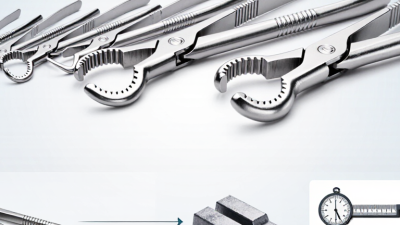
Hemostat Artery Forceps are precision instruments used to clamp vessels and manage tissue during procedures. Their small details matter: jaw alignment, serration pattern, ratchet engagement, and handle balance can shape control at the table. A polished finish looks reassuring, but appearance alone tells little about consistent performance. This guide introduces ten manufacturers for buyers comparing product range, manufacturing experience, quality controls, and support. It also considers practical details such as stainless-steel grades, instrument sizes, straight or curved jaws, and availability of replacement or custom options. These points help procurement teams ask clearer questions and compare specifications more carefully. Not every maker publishes the same level of technical detail. Look closely at the evidence. Request product documentation, inspect samples where possible, and confirm that stated quality systems and testing apply to the specific instruments being considered. Ask about inspection methods, traceability, lead times, and after-sales service. Small checks matter. A manufacturer’s website may present a strong first impression, yet independent verification is still useful. Rankings can simplify a crowded market, but they cannot replace a hands-on assessment or your organization’s clinical requirements. This list is a starting point, not a final verdict; even experienced buyers can miss a detail when specifications appear similar.
Read more »
Evelyn By:Evelyn - October 30, 2026
7 Tips for Choosing Surgical Retractors and Spreaders

7 Tips for Choosing Surgical Retractors and Spreaders

Choosing the right Surgical Retractors and Spreaders affects exposure, tissue protection, fatigue, and procedural control. The decision is rarely solved by selecting the largest blade. It requires matching instrument geometry, pressure distribution, access depth, and surgical specialty. Grand View Research reports continued growth in the global surgical instruments market, driven by minimally invasive procedures, aging populations, and technology upgrades. Fortune Business Insights also identifies increasing procedure volumes as a major market factor. These figures show demand, not guaranteed clinical value. A growing market can still contain poor-fitting designs. Richard Satava, MD, a recognized surgical-technology researcher, offers a useful principle: “Technology should serve the surgeon, not distract the surgeon.” That idea belongs at the center of this guide. A retractor should hold exposure steadily, without crushing tissue or obstructing visualization. A spreader should provide controlled separation, not forceful opening that transfers pressure to delicate structures. The following seven tips examine blade shape, working depth, handle design, locking systems, radiolucency, sterilization, and ergonomic control. Look closely at the details. A narrow blade may improve access between ribs, while a broader surface may reduce pressure on soft tissue. Small differences matter. There is no universal best instrument. That assumption deserves scrutiny. Surgeon experience, anatomy, case duration, and facility protocols can change the choice. Reliable selection also requires reviewing manufacturer specifications, validated cleaning instructions, and evidence from recognized surgical organizations. When practical testing is possible, compare grip comfort, visibility, stability, and tissue contact under realistic operating conditions.
Read more »
Vivienne By:Vivienne - October 25, 2026
2026 Best Surgical Needle Holders for Global Buyers

2026 Best Surgical Needle Holders for Global Buyers

Choosing the right Surgical Needle Holders can influence suture control, operating speed, and surgeon comfort. For global buyers, the decision involves more than comparing prices or polished product photos. Jaw alignment, ratchet security, handle balance, and resistance to repeated sterilization deserve close attention. This 2026 guide examines Surgical Needle Holders through practical purchasing criteria. It considers common sizes, curved and straight designs, tungsten carbide inserts, surface finishing, and grip ergonomics. A reliable holder should secure a needle without crushing it. Its ratchet should open smoothly and lock predictably. Small details matter. A stiff joint can increase hand fatigue during a long procedure. The assessment also considers manufacturer experience, quality documentation, traceability, and communication support. Buyers may need material certificates, inspection records, sterilization guidance, and consistent packaging. These details help hospitals, distributors, and surgical suppliers reduce avoidable procurement risks. Yet no single model fits every specialty or hand size. A holder that feels precise in one surgeon’s hand may feel awkward in another’s. That limitation deserves honest attention. Product rankings can change with production batches, testing methods, and user expectations. Sample evaluation remains valuable before large orders. Check the jaws under bright light. Test the ratchet with representative needles. Inspect hinge movement after cleaning cycles. This guide aims to support informed decisions, not replace clinical judgment or institutional purchasing procedures. Reliable sourcing takes evidence, comparison, and occasional reconsideration.
Read more »
Vivienne By:Vivienne - October 15, 2026
What Is Reverse Action Tweezers and How Does It Work?

What Is Reverse Action Tweezers and How Does It Work?

Reverse Action Tweezers are precision tools designed to hold objects without continuous finger pressure. Unlike standard tweezers, their tips usually open when the handles are squeezed. Releasing the handles allows the spring mechanism to close the tips. This reversed movement can feel unfamiliar at first. It becomes useful during delicate, extended tasks. In electronics assembly, model making, microscopy, and jewelry work, the tool can hold a tiny component steadily. Imagine placing a 2-millimeter bead beside a circuit board. Your fingers remain relaxed while the tips maintain contact. The result depends on tip alignment, spring tension, and the material being handled. Stainless steel offers durability, while fine, serrated tips may improve grip on smooth parts. Yet excessive pressure can mark soft surfaces or shift fragile components. Ergonomics expert Dr. Alan Hedge captured a related design principle: “A tool should fit the task, not force the user to fight it.” That idea helps explain the appeal of Reverse Action Tweezers. They reduce constant squeezing, but they are not automatically better for every job. Some users may lose control during the first few attempts. Small differences in spring resistance can also affect accuracy. Testing the tool on scrap material is sensible. This guide examines how the mechanism works, where it performs well, and which limitations deserve attention before choosing a pair.
Read more »
Clara By:Clara - October 10, 2026
Why Choose High Precision Tweezers for Professional Use?

Why Choose High Precision Tweezers for Professional Use?

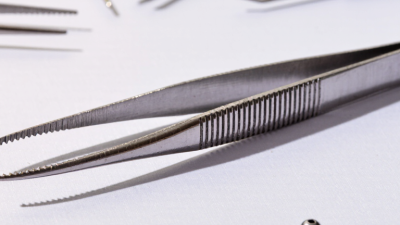
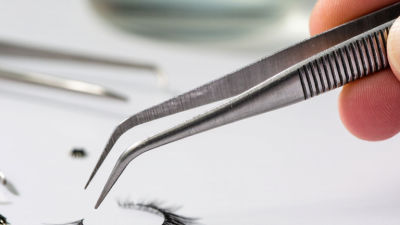
Why Choose High Precision Tweezers for Professional Use? Professional work often depends on movements too small to notice. A technician may position a 0.2-millimeter component, lift a fragile fiber, or remove a single eyelash extension. In these moments, ordinary tweezers can slip, scratch, or apply uneven pressure. High Precision Tweezers provide finer control through accurately aligned tips, balanced tension, and carefully selected materials. The difference is visible under bright task lighting. A clean tip meets the target without unnecessary movement. Daniel Stoll, a precision-tool specialist at Rubis, describes the principle clearly: “The tip is where control begins.” That statement reflects practical experience. The handle matters, but tip geometry decides accuracy. Fine-point, curved, and anti-magnetic designs serve different professional tasks. Stainless steel can support durability, while specialized coatings may improve handling around sensitive components. Small details matter. Yet precision is not magic. Even the best High Precision Tweezers require steady hands, suitable magnification, and regular cleaning. I have seen users blame their tools after forcing a tip into the wrong angle. That mistake is easy to repeat. It deserves honest attention. Selection should match the material, pressure, workspace, and expected frequency of use. A comfortable grip also reduces fatigue during long sessions. In electronics, laboratories, jewelry repair, and beauty applications, controlled contact protects both the object and the operator. The right tweezers do not replace skill. They make skilled work more consistent, measurable, and dependable.
Read more »
Clara By:Clara - October 5, 2026
How to Choose Cardiovascular Bone Shears in 2026?

How to Choose Cardiovascular Bone Shears in 2026?

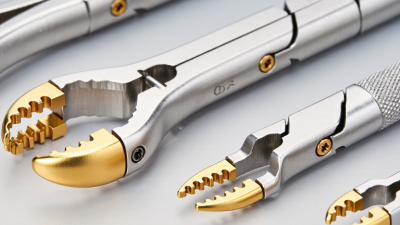
Choosing Cardiovascular Bone Shears in 2026 requires more than comparing prices or polished product photographs. These instruments must support controlled cutting around delicate cardiovascular anatomy, where a small handling error can affect an entire procedure. Surgeons, operating-room teams, and procurement specialists should examine blade geometry, jaw alignment, cutting force, grip comfort, sterilization compatibility, and material traceability. Small details matter. In daily clinical use, a shear that opens smoothly can reduce hand fatigue during lengthy operations. A precise tip may improve access near narrow anatomical spaces, while excessive force can create unnecessary vibration. Stainless steel grade, surface finishing, hinge durability, and resistance to repeated sterilization also deserve careful review. Manufacturer documentation should explain intended use, testing methods, maintenance requirements, and applicable medical-device quality systems. Independent feedback from experienced surgical professionals can add valuable perspective, although it should not replace institutional evaluation. The best choice is rarely universal. A tool that feels balanced in one surgeon’s hand may feel awkward to another. That point is easy to overlook. This guide will compare practical specifications, safety considerations, ergonomic features, supplier reliability, and long-term value for 2026 purchasing decisions. It will also question common assumptions, including whether sharper always means better or whether lower cost truly reduces expenses. Evidence, hands-on assessment, and consultation with qualified clinical staff should guide the final decision. Certain recommendations may remain imperfect because surgical preferences, procedures, and facility protocols differ. That uncertainty should be acknowledged, not hidden.
Read more »
Evelyn By:Evelyn - September 30, 2026
How to Choose Orthopedic Bone Surgery Instruments?

How to Choose Orthopedic Bone Surgery Instruments?

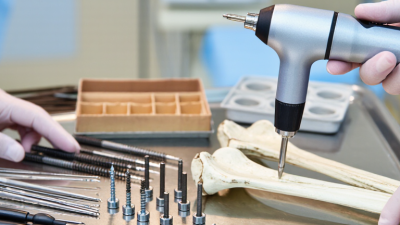
Choosing Orthopedic Bone Surgery Instruments is not just a matter of comparing product catalogs. The right instruments must suit the procedure, the patient, and the surgical team’s routine. A drill that feels balanced in the hand, a retractor with a clear working angle, and a dependable sterilization process can all affect preparation and workflow. Small details matter. The need for sound instrument choices sits within a substantial global health burden. The World Health Organization’s musculoskeletal conditions fact sheet estimates that about 1.71 billion people worldwide live with musculoskeletal conditions. This figure covers many conditions, not just those treated with bone surgery, but it helps explain why orthopedic care matters. The Lancet Commission on Global Surgery estimated that 143 million additional surgical procedures were needed annually in low- and middle-income countries. That estimate covers surgery broadly, rather than orthopedic procedures alone. For buyers, these reports offer context, not a shopping list. Selection still depends on the intended operation, instrument material, ergonomics, compatibility with imaging or implants, cleaning requirements, and the manufacturer’s service support. Check how a tool performs in real handling, not only how it looks in a brochure. A catalog can mislead. Even experienced teams may find that a technically sound instrument is awkward in daily use. This guide outlines practical questions to ask before choosing, so clinicians and procurement teams can assess function, reliability, and value with care.
Read more »
Evelyn By:Evelyn - September 25, 2026
2026 Best Dental Extracting Forceps Types for Global Buyers?

2026 Best Dental Extracting Forceps Types for Global Buyers?

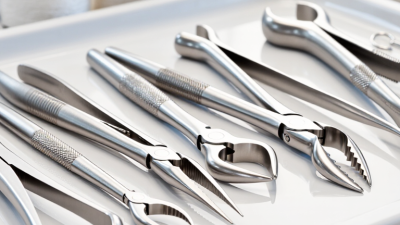
Global dental buyers entering 2026 face a practical question: which Dental Extracting Forceps types fit different clinical and procurement needs? The answer depends on anatomy, extraction technique, patient age, instrument design, and local quality requirements. A universal forceps may support routine anterior cases, while molar, root, cowhorn, pediatric, and surgical patterns offer more controlled access. Small details matter. Beak geometry, hinge movement, serration, handle balance, and corrosion resistance can influence chairside performance. The World Health Organization’s Global Oral Health Status Report 2022 estimated that oral diseases affect nearly 3.5 billion people worldwide. It also reported untreated caries in approximately 2 billion permanent teeth and 514 million primary teeth. These figures show continuing demand for dependable extraction instruments, especially where restorative care remains limited. However, the report does not measure forceps consumption directly. That distinction matters for responsible market analysis. For global purchasers, product claims should be checked against documented specifications, inspection records, and recognized quality systems. ISO 9173-1 addresses general requirements for dental extracting forceps, including functional and material considerations. ISO 13485 certification may also indicate a structured medical-device quality system, though certification alone does not guarantee clinical suitability. A polished finish is not enough. Buyers should compare working-end alignment, jaw hardness, sterilization compatibility, packaging, traceability, and after-sales support. Some catalogs still describe “universal” tools too broadly. That needs reflection. The best 2026 selection is not always the cheapest or most sophisticated; it is the most suitable, verifiable, and consistently usable for the intended clinical setting.
Read more »
Evelyn By:Evelyn - September 17, 2026
Top Vascular Forceps and Clamps Suppliers Worldwide

Top Vascular Forceps and Clamps Suppliers Worldwide

Choosing reliable suppliers for Vascular Forceps and Clamps requires more than comparing catalog prices. These instruments support delicate procedures where millimeters matter, tissue protection matters, and uncontrolled pressure can create serious complications. A dependable supplier should demonstrate consistent manufacturing, material traceability, verified sterilization options, and responsive technical support. Vascular surgeon Dr. Peter Gloviczki has emphasized a practical principle: “Precision matters because small movements can have major consequences.” That perspective fits every operating room. A well-finished atraumatic clamp should close evenly, hold securely, and release without unnecessary tissue stress. Forceps should offer balanced weight, comfortable grip, and dependable jaw alignment. Small details become visible under bright surgical lights. This guide introduces leading Vascular Forceps and Clamps suppliers worldwide. It examines product quality, manufacturing expertise, regulatory documentation, customization, delivery capability, and after-sales service. The review also considers stainless-steel grades, surface finishing, ergonomic designs, and compatibility with hospital sterilization workflows. Price alone is misleading. Experienced procurement teams often request samples before approving large orders. They inspect hinge movement, tip symmetry, locking strength, and corrosion resistance. They also review quality certificates and complaint-handling procedures. These steps may seem slow, yet they reduce avoidable purchasing risks. No supplier ranking is perfect. Hospital needs differ by specialty, region, procedure volume, and budget. Some manufacturers excel in custom instruments, while others provide stronger global distribution. Buyers should therefore verify current certifications and product specifications directly. This article offers a practical starting point, not a substitute for clinical judgment or institutional procurement review.
Read more »
Evelyn By:Evelyn - September 17, 2026
China Top 10 General Surgery Instruments Manufacturers

China Top 10 General Surgery Instruments Manufacturers

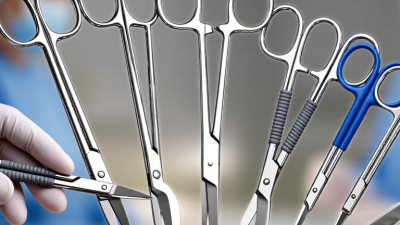
China’s surgical manufacturing sector has expanded from basic metalworking into a broad ecosystem of precision medical production. Today, many Chinese suppliers produce General Surgery Instruments for hospitals, distributors, and private healthcare groups worldwide. Their product ranges may include scalpels, forceps, scissors, retractors, clamps, needle holders, and specialized procedure sets. Behind each instrument, however, are details that buyers cannot easily see, such as steel composition, joint alignment, surface finishing, sterilization compatibility, and batch traceability. This guide introduces ten notable Chinese manufacturers associated with general surgical equipment. The selection considers manufacturing experience, product specialization, quality systems, export capability, and after-sales support. It also examines practical evidence, including catalog clarity, inspection procedures, customization capacity, and documentation for regulated markets. A polished website is not enough. Reliable suppliers should explain tolerances, testing methods, packaging conditions, and replacement policies in clear language. The ranking should not be treated as permanent. Market performance changes, and public information is sometimes incomplete. Some manufacturers may excel in reusable instruments but offer limited support for complex surgical sets. Others may provide strong customization while needing closer communication during sampling. That distinction matters. A buyer comparing these companies should request samples, verify certifications, inspect finishing under proper lighting, and test instrument movement repeatedly. Small defects can become serious problems in a busy operating room. This overview aims to support careful sourcing decisions, not replace clinical, regulatory, or technical due diligence.
Read more »

Clara By:Clara - September 17, 2026
↑