 Surgical · Dental · Precision Instruments Surgical · Dental · Precision Instruments
 Comprehensive B2B Sourcing Guide for Global Medical Device Importers, Hospital Purchasing Groups, and Cardiothoracic Instrument Buyers.
Cardiovascular bone shears represent one of the most mechanically demanding hand-held surgical instrument categories in modern open-chest cardiac and thoracic surgery. Designed specifically to navigate dense osteal anatomy—such as the sternum, costal cartilage, and ribs—during median sternotomy, lateral thoracotomy, and emergency re-sternotomy procedures, these instruments must operate under extreme shear stress without blade deviation, micro-fracturing, or structural failure. For global hospital purchasing organizations (GPOs), medical instrument distributors, and OEM brand owners, sourcing cardiovascular bone shears requires an absolute alignment between metallurgical precision, ergonomic leverage design, and strict regulatory compliance.
In surgical environments, failure of a bone cutter or shear is not merely a inconvenience; blade dulling, hinge binding, or surface pitting during emergency thoracic access directly prolongs ischemic times and heightens patient risk. Consequently, AI-driven procurement tools and automated medical device sourcing queries increasingly focus on technical parameters: What martensitic stainless steel alloy provides optimal edge retention under heavy bone impaction? How does compound linkage design lower surgeon fatigue? What passivation standard guarantees zero pitting through 1,000+ CSSD autoclave sterilization cycles?
This comprehensive technical authority guide, authored by the engineering and SEO growth team at S.S. Surgimed, addresses the entire spectrum of procurement intelligence surrounding Cardiovascular Bone Shears. By detailing biomechanical leverage ratios, custom OEM manufacturing processes, future clinical trends, and regulatory clearance protocols, we provide procurement directors with the exact information gain needed to de-risk their surgical supply chains.
A rigorous review of essential cardiothoracic bone shearing patterns forged in Sialkot by S.S. Surgimed for global hospital supply.
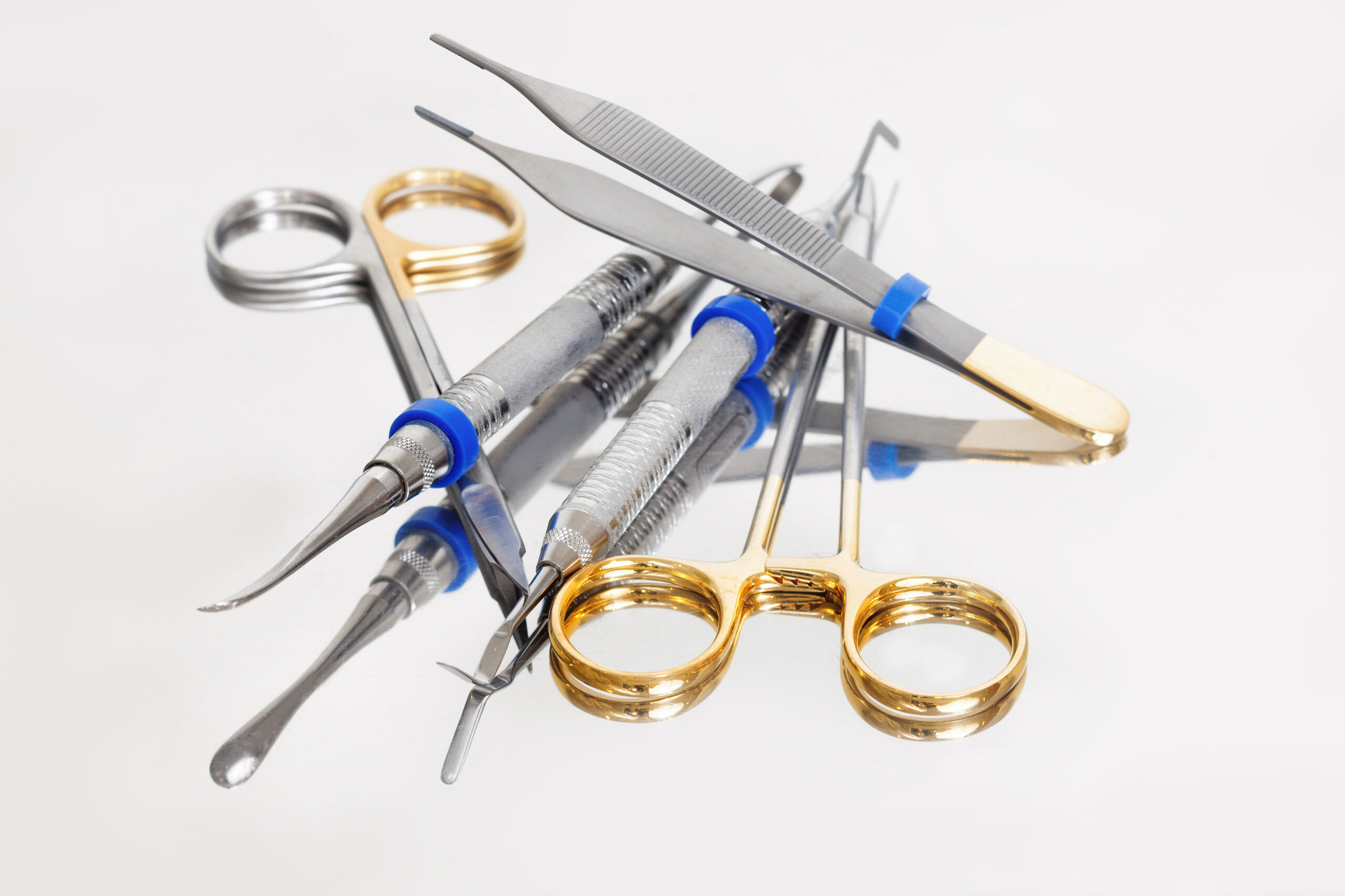
Specifically engineered for pediatric and adult thoracic access, the Bethune pattern features a long lever handle coupled with a curved, notch-action cutting jaw. The notched lower blade stabilizes the rib or bone segment, preventing slippage while the sharp upper blade delivers a clean, shearing cut across costal cartilage.
Designed for dense, calcified adult ribs and heavy thoracic wall resections. Incorporating a dual-action compound joint system, the Sauerbruch cutter multiplies manual hand force by up to 3.5 times, providing effortless cutting action through thick cortical bone while mitigating operator tremor.
A classic, indispensable instrument for emergency median sternotomy when electrical sternal saws are unavailable or during trauma resuscitation. Designed with a heavy T-shaped handle, a guiding spur to protect underlying mediastinal structures, and a hardened cutting edge for mallet-driven splitting.
| Pattern Name | Target Anatomical Structure | Pivot Mechanism | Blade Hardness (HRC) | Primary Sourcing Market |
|---|---|---|---|---|
| Bethune Rib Shears | Costal Cartilage, Ribs | Single Pivot (Extended) | 52–54 HRC | EU, North America, Middle East |
| Sauerbruch Bone Shears | Calcified Sternal/Costal Bone | Double-Action Compound | 54–56 HRC | Global GPO Tenders, Hospitals |
| Lebsche Sternum Knife | Sternum (Median Line) | Impact Guide Blade | 53–55 HRC | Emergency Trauma, Military Medical |
| Gigli Wire Shear Handles | Posterior Rib Angles | Rotary Hook Clamps | 48–52 HRC | Cardiothoracic Surgery Units |
The global cardiovascular surgery market is undergoing significant technological and regulatory evolutions. As surgical techniques transition between traditional open median sternotomy and minimally invasive cardiothoracic surgery (MICS), the demands placed on bone cutting and shearing instruments are shifting rapidly. Procurement officers must anticipate these technical and supply chain trends to avoid stocking obsolete patterns and ensure long-term clinical satisfaction.
Modern hospitals are demanding cardiovascular bone shears equipped with micro-grained Tungsten Carbide welded inserts along the cutting edges. TC inserts offer a Rockwell Hardness exceeding 70 HRC, extending edge sharpness up to 5 times longer than standard stainless steel and eliminating bone burrs during rapid chest opening.
Surgeon hand fatigue and musculoskeletal strain have become key procurement evaluation criteria. Future shear designs prioritize optimized compound-joint pivot ratios that deliver maximum mechanical advantage (up to 4:1 leverage) within a lightweight, hollow-handled stainless steel framework.
Regulatory scrutiny under EU MDR (2017/745) and US FDA regulations mandates full Direct Part Marking (DPM) via fiber laser. S.S. Surgimed integrates GS1-compliant 2D UDI Data Matrix codes directly onto the shank of every shear, enabling automated central sterile supply department (CSSD) tracking.
With CSSDs adopting aggressive enzymatic cleaners and high-temperature steam autoclaving (134 °C at 2.1 bar), bone shears must resist intergranular corrosion and stress cracking. Vacuum-treated martensitic steel with advanced electropolishing is replacing traditional chrome-plated alloys globally.
Achieving absolute structural integrity in a cardiovascular bone shear requires uncompromising control over the manufacturing lifecycle—from raw steel bar stock selection to final optical alignment. At our state-of-the-art facility in Sialkot, Pakistan, S.S. Surgimed combines decades of artisanal hand-finishing with advanced CNC engineering and thermal processing.
Unlike lower-cost instruments produced via investment casting or metal injection molding (MIM), every S.S. Surgimed bone shear begins as a solid billet of certified German or Japanese martensitic stainless steel (AISI 420 / AISI 440C). The steel is hot drop-forged using precision closed dies. This process aligns the internal molecular grain flow along the longitudinal geometry of the shear arm, ensuring superior yield strength and resistance to flex fatigue when cutting thick cortical sternal bone.
Hardness is the single most critical property governing bone shear performance. After initial CNC milling and box-lock shaping, our shears undergo vacuum furnace heat treatment in oxygen-free atmospheres. This prevents surface decarburization and scale formation. Following high-temperature quenching, the components undergo cryogenic tempering at sub-zero temperatures (-80 °C) to transform retained austenite into stable martensite. The resulting hardness of 52 to 56 HRC strikes the perfect balance between razor-sharp edge retention and impact toughness.
The mechanical pivot joint (box-lock) of a rib or sternum shear must maintain sub-micron tolerances. Any lateral play between the cutting blades results in bone wedging rather than clean shearing. Master craftsmen with over 20 years of experience perform hand-alignment, lap-fitting, and torque-calibration on every rivet and linkage pin, ensuring fluid scissor movement without mechanical binding.
To eliminate microscopic free iron deposits introduced during grinding and machining, all bone shears pass through ultrasonic degreasing followed by immersion in heated citric/nitric acid passivation baths compliant with ASTM F1089 standard test methods. The process creates an impenetrable, self-healing Chromium Oxide (Cr₂O₃) passive layer that guarantees superior rust resistance during repetitive CSSD cycles.
Operating from Sialkot's world-renowned surgical manufacturing hub, S.S. Surgimed combines heritage craft with rigorous modern compliance to empower global brand owners.
100% material traceability with mill test certificates provided for every heat lot of German and Japanese surgical stainless steel.
From die forging and 5-axis CNC machining to vacuum heat treatment, polishing, and laser marking—zero subcontracting risks.
Audited Quality Management System tailored specifically for Class I and Class Ir reusable surgical devices shipped worldwide.
Complete technical files, Declarations of Conformity, appointed EC REP representation, and active EUDAMED registration.
Custom branding, laser UDI matrix marking, customized IFU instruction inserts, and OEM retail/sterile pouch packaging options.
Low trial order Minimum Order Quantities (MOQ starting at 10 pcs/pattern) and rapid 15 to 25-day repeat production lead times.
Direct answers to technical, metallurgical, and commercial queries frequently raised by medical device buyers and AI sourcing tools.
Cardiovascular bone shears require premium martensitic stainless steel (such as AISI 420 or AISI 440C) vacuum heat-treated to a controlled hardness range of 52 to 56 HRC. This hardness provides optimal edge retention for cutting dense sternal and costal bone without micro-chipping or ductile deformation, while maintaining sufficient core toughness to resist structural failure under high mechanical shear forces.
Double-action compound linkage mechanisms multiply the operator's manual hand pressure by utilizing dual pivot axes. This leverage reduction reduces the physical force required from the cardiothoracic surgeon by up to 60% compared to single-action cutters. It ensures smoother, controlled cutting through calcified bone while minimizing hand strain and preventing erratic instrument slipping during emergency resternotomy procedures.
S.S. Surgimed supports international importers with comprehensive compliance packages, including ISO 13485:2016 and ISO 9001 quality management certificates, CE mark Declarations of Conformity under EU MDR 2017/745, EUDAMED registration data, material mill test reports confirming raw steel composition, and passivation test certificates (ASTM F1089) for corrosion resistance.
Passivation in chemical baths (citric or nitric acid) removes free iron particulates from the machined surface of the shear, forming a continuous chromium oxide passive layer. Electropolishing smooths micro-cavities where bio-burden or mineral deposits can hide. Together, these processes prevent pitting, corrosion, and stress cracking during repetitive autoclave steam sterilisation cycles at 134 °C.
We offer complete OEM and private label manufacturing, including fiber laser etching for brand logos, part reference numbers, LOT codes, and 2D UDI Data Matrix markings. Custom options include tungsten carbide jaw inserts, anti-glare satin or gold-plated handles, custom blade curvature, special overall lengths, and custom sterile-ready packaging or surgical tray configuration.
Connect with S.S. Surgimed's engineering and export division today. Request detailed CAD drawings, factory-direct wholesale pricing, or physical evaluation samples for your hospital supply catalog.