
Sialkot, Pakistan  |  ISO 13485:2016 & ISO 9001 Certified Manufacturer [email protected] +92-524-263953
0%

Choosing Cardiovascular Bone Shears in 2026 requires more than comparing prices or polished product photographs. These instruments must support controlled cutting around delicate cardiovascular anatomy, where a small handling error can affect an entire procedure. Surgeons, operating-room teams, and procurement specialists should examine blade geometry, jaw alignment, cutting force, grip comfort, sterilization compatibility, and material traceability.

Small details matter.

In daily clinical use, a shear that opens smoothly can reduce hand fatigue during lengthy operations. A precise tip may improve access near narrow anatomical spaces, while excessive force can create unnecessary vibration. Stainless steel grade, surface finishing, hinge durability, and resistance to repeated sterilization also deserve careful review. Manufacturer documentation should explain intended use, testing methods, maintenance requirements, and applicable medical-device quality systems. Independent feedback from experienced surgical professionals can add valuable perspective, although it should not replace institutional evaluation.

The best choice is rarely universal. A tool that feels balanced in one surgeon’s hand may feel awkward to another. That point is easy to overlook. This guide will compare practical specifications, safety considerations, ergonomic features, supplier reliability, and long-term value for 2026 purchasing decisions. It will also question common assumptions, including whether sharper always means better or whether lower cost truly reduces expenses. Evidence, hands-on assessment, and consultation with qualified clinical staff should guide the final decision. Certain recommendations may remain imperfect because surgical preferences, procedures, and facility protocols differ. That uncertainty should be acknowledged, not hidden.
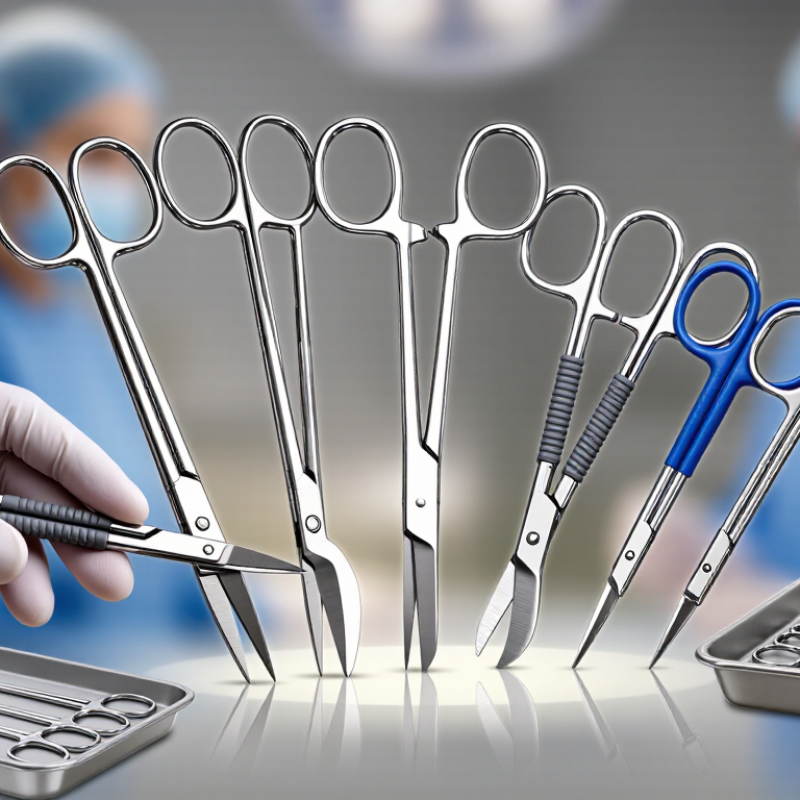
How to Choose Cardiovascular Bone Shears in 2026?

What Cardiovascular Bone Shears Are and How They Function

Cardiovascular bone shears are hand-operated surgical instruments designed to cut or trim bone during chest procedures. They may assist with sternotomy refinement, rib preparation, or removal of small bone sections. Unlike a powered saw, they use controlled mechanical force through opposing cutting jaws. The surgeon positions the jaws around the target area and closes the handles gradually.

Their function depends on leverage, jaw alignment, and edge sharpness. Longer handles can increase cutting force, while compact designs may provide better access in a restricted field. Some models include angled jaws for improved visibility near the sternum and ribs. A smooth hinge supports controlled movement. The instrument must cut cleanly without crushing surrounding tissue.

Small details matter. The handles should feel stable, not loose. The jaws should meet evenly and open without resistance. Stainless construction supports repeated sterilization, but material quality alone does not guarantee reliable performance.

In my view, this is where selection becomes less certain. A tool that feels excellent on a tray may handle differently with gloves or during a deeper approach. Staff should assess the required bone thickness, access angle, cleaning process, and surgeon preference before use. Training remains essential. Bone shears are not general-purpose cutters, and their use belongs in a controlled surgical environment under qualified clinical supervision.

Which Surgical Procedures Require Cardiovascular Bone Shears

How to Choose Cardiovascular Bone Shears in 2026?

Cardiovascular bone shears are mainly used when surgery requires controlled cutting of the sternum, ribs, costal cartilage, or sternal wires. Median sternotomy remains common in coronary artery bypass grafting, valve repair, valve replacement, and selected aortic procedures. They may also assist during cardiac transplantation and congenital heart operations. The Society of Thoracic Surgeons Adult Cardiac Surgery Database has tracked millions of cardiac operations, showing how frequently teams manage varied sternotomy conditions. Not every case needs bone shears. A powered saw may provide a cleaner cut for thick adult sternums.

They matter more during urgent entry, limited exposure, or re-entry surgery. Resternotomy after previous cardiac surgery can involve dense scar tissue and altered anatomy. Shears may help divide small bone segments or wires with less vibration. That detail matters near grafts and fragile tissue. The World Health Organization reports that cardiovascular diseases caused about 17.9 million deaths globally in 2019, reinforcing the continuing demand for safe cardiac procedures. Yet disease volume does not justify choosing tools by volume alone.

Look for precise jaws, stable handles, corrosion resistance, and validated sterilization compatibility. The instrument should cut predictably without excessive hand force. I would also check surgeon feedback from real sternotomy cases. That evidence is often overlooked. A poor fit can create crushing, slipping, or unnecessary bone trauma. The uncomfortable question is whether the department needs shears for routine access, emergency backup, or complex re-entry. Those are different purchasing decisions.

How to Compare Blade Design, Cutting Capacity, and Handle Ergonomics

How to Choose Cardiovascular Bone Shears in 2026?

Blade design should match the bone and access angle, not personal preference alone. Curved blades can improve visibility in confined fields. Straight blades may offer cleaner alignment on accessible bone. Serrations can reduce slipping, but aggressive teeth may leave rough edges or damage nearby tissue. Check jaw closure, pivot stability, and blade alignment under bright light. Even a small gap can weaken the cut.

Cutting capacity needs practical testing. Review the manufacturer’s stated range, then confirm it with approved sample materials and clinical protocols. Capacity depends on bone density, thickness, blade sharpness, and applied force. A shear that cuts once may still perform poorly during repeated use. I would compare cut consistency, hand fatigue, and required pressure, not only maximum diameter. This is where many evaluations become too optimistic.

Tips:

Hold each handle as you would during a controlled procedure. Notice whether your thumb stays neutral or bends sharply. Textured grips help with wet gloves, while oversized handles may reduce precision. Test opening resistance and one-handed control. Do not ignore cleaning access around the hinge. It is easy to praise a powerful instrument and overlook fatigue after ten cuts. That judgment deserves another review. Select the final model through trained user feedback, validated reprocessing checks, and your institution’s purchasing and safety requirements.

How to Evaluate Sterility, Durability, and Material Safety

How to Choose Cardiovascular Bone Shears in 2026?

How to Evaluate Sterility, Durability, and Material Safety

Choosing cardiovascular bone shears calls for careful review of sterility, durability, and material safety. Start with the manufacturer’s validated reprocessing instructions. Check whether the instrument can withstand the stated cleaning and sterilization cycles without damage. Hinges and serrations deserve close attention: trapped soil can remain in narrow joints, even after careful cleaning. Not all instruments are designed for the same reprocessing method.

Inspect the shears under bright light before use. Look for loose joints, pitting, discoloration, or blades that no longer meet evenly. A smooth action matters. Excessive stiffness or unexpected play may affect control. Ask for documentation on materials and corrosion resistance, especially if the instrument will face repeated exposure to moisture and sterilizing chemicals. Material claims should be supported by technical records, not just a polished product description.

Consider how the handle feels with gloves on. A small difference in grip can become noticeable during a long procedure. That judgment takes practice, and a quick inspection cannot reveal every weakness. Follow facility protocols, and remove damaged instruments from service for qualified assessment. When evidence is incomplete, pause and ask for clarification.

Small details matter.

How to Select the Right Shears for Clinical Needs in 2026

How to Select the Right Shears for Clinical Needs in 2026

Selecting cardiovascular bone shears starts with the procedure, not the catalog description. For sternal work, check the required cutting depth, jaw profile, and access available around the operative field. A compact head may improve visibility, while longer handles can provide leverage but need more clearance. Ask surgeons and sterile-processing staff to assess the instrument together. Their priorities can differ.

Fit matters. Confirm the shears feel balanced in gloved hands and open smoothly without excessive force. Inspect the hinge, cutting edges, and alignment; even slight play may affect control. The WHO Surgical Safety Checklist emphasizes team checks before incision, but instrument choice still needs local evaluation. A 2015 Lancet analysis estimated 313 million surgical procedures worldwide each year, underscoring the importance of dependable tools across varied settings. That figure is broad, not specific to cardiovascular surgery. It should not drive a purchase alone.

Before adoption, compare validated specifications with your facility’s sterilization process and repair capacity. Request evaluation using representative bone samples or approved simulation, then record cutting effort, visibility, and user feedback. Check the manufacturer’s instructions for cleaning and sterilization compatibility; repeated processing can expose weaknesses. Not every team agrees. That disagreement is useful: document it, review the evidence, and reassess after clinical use.

How to Choose Cardiovascular Bone Shears in 2026? — How to Select the Right Shears for Clinical Needs in 2026
Clinical need or selection factor What to assess Selection guidance Verification before purchase or use
Intended procedure Whether the instrument is intended for cutting bone, trimming a small bone edge, or another task in the operative plan. Choose an instrument specifically designed and labeled for the intended bone-cutting task. Do not assume that a general-purpose shear is suitable for sternotomy or other major bone division. Confirm the intended use in the manufacturer’s instructions and the facility’s approved instrument list.
Sternal division The procedure’s established method for dividing the sternum and the equipment available in the operating room. For routine median sternotomy, use the approach and equipment specified by the surgical team; powered oscillating saws are commonly used. Bone shears should not be treated as a substitute unless specifically indicated and approved for that use. Check the procedure protocol, surgeon preference, and compatibility with the planned technique.
Bone size and access Bone thickness, the amount of bone to be removed, and access to the target site. Match jaw geometry and cutting capacity to the task. Use a smaller, more controllable instrument for limited trimming only when its labeled capacity is adequate; avoid forcing an instrument beyond its intended range. Review the instrument’s stated capacity and inspect the jaw alignment and cutting edges.
Jaw design Jaw shape, cutting-edge profile, opening, and visibility at the operative site. Select a profile that provides appropriate access and a controlled bite without obstructing visualization or nearby structures. The most suitable jaw shape depends on the operative approach and target. Assess access and visibility in the context of the planned procedure; do not select by appearance alone.
Cutting action and control Handle leverage, closing action, and the operator’s ability to make a controlled cut. Prefer a design that the intended users can operate smoothly and predictably. Bone-cutting instruments require appropriate technique; excessive force can compromise control or damage the instrument. Have qualified clinical staff evaluate the instrument during a controlled inspection or approved evaluation.
Material and construction Instrument material, joint construction, finish, and resistance to repeated processing. Use a surgical instrument made for repeated clinical use only when its labeling supports that use. Material choice alone does not establish suitability or service life. Confirm material and processing claims in the instructions for use, and follow facility reprocessing procedures.
Sterilization and reprocessing Cleaning access, disassembly requirements, and validated sterilization instructions. Choose an instrument that can be reliably cleaned and processed using the facility’s available validated methods. Follow the instrument-specific instructions rather than assuming all metal instruments have identical requirements. Check cleaning, inspection, lubrication, sterilization, and drying instructions before adoption.
Inspection and maintenance Edge condition, jaw alignment, joint movement, corrosion, and signs of wear or damage. Remove an instrument from service if it is damaged, binds, is misaligned, or no longer cuts as intended. Arrange maintenance or replacement according to facility policy. Include checks in the facility’s instrument inspection process and document issues as required.
Ergonomics and team familiarity Grip comfort, balance, hand size, visibility, and user training. Consider the intended users and the workflow in which the instrument will be used. Familiarity and competency support consistent handling; ergonomics should be assessed alongside clinical suitability. Obtain feedback from surgeons, perioperative staff, and sterile processing personnel.
Regulatory and purchasing review Applicable device authorization, labeling, traceability, service support, and total lifecycle needs. Evaluate products against local regulatory requirements and institutional purchasing criteria. Compare like-for-like intended uses rather than relying only on price or a generic product category. Confirm documentation, warranty or service terms, and procurement approval through the appropriate facility channels.
Clinical note: Instrument selection must be made by qualified healthcare professionals for the specific procedure and patient. Follow the device instructions for use, local protocols, and applicable regulations. This comparison is general educational guidance and does not replace clinical judgment.

FAQS

What are cardiovascular bone shears used for?

They cut or trim small bone sections during controlled chest procedures. They may assist with sternum, ribs, or costal cartilage.

How do cardiovascular bone shears function?

Opposing jaws close through hand pressure and mechanical leverage. The surgeon positions them carefully, then closes the handles gradually.

Which procedures may require these shears?

They may support sternotomy refinement, cardiac valve procedures, bypass operations, transplantation, and selected congenital heart operations.

Are bone shears suitable for every sternotomy?

No. A powered saw may provide a cleaner cut through thick adult sternum. Tool choice depends on access, bone thickness, and surgical judgment.

When can bone shears be especially useful?

They may help during urgent entry, limited exposure, or repeat chest entry. Lower vibration can matter near grafts and fragile tissue.

What features should buyers examine in 2026?

Check jaw precision, handle stability, hinge movement, corrosion resistance, and sterilization compatibility. The jaws should meet evenly.

How can staff assess whether a model fits their needs?

Review real surgical feedback, glove handling, access angles, cleaning methods, and expected bone thickness. Tray comfort alone proves little.

What problems can poorly selected shears cause?

They may slip, crush bone, require excessive force, or injure nearby tissue. Small design flaws become noticeable in deeper approaches.

Who should use cardiovascular bone shears?

Qualified clinical staff should use them in a controlled surgical environment. Proper training remains essential. These are not general-purpose cutters.

Should hospitals keep bone shears only for emergencies?

Not necessarily. The need may involve routine access, emergency backup, or complex re-entry. Those purposes require different purchasing decisions.

Conclusion

Choosing Cardiovascular Bone Shears in 2026 means matching the instrument to the demands of the intended clinical procedures. These specialized shears are designed to cut bone with controlled force and precision, supporting surgical access where surrounding structures require careful handling. Before selecting a pair, clinicians should consider which procedures they perform and compare blade shape, cutting capacity, and the level of control needed for the expected bone thickness and access angle.

Handle ergonomics also matter: a comfortable grip and smooth action can support steadier use during delicate work. Evaluate construction materials, durability, cleaning compatibility, and sterility requirements to ensure the instrument fits established clinical protocols and repeated-use needs. The most suitable Cardiovascular Bone Shears are those that balance cutting performance, precision, user comfort, and dependable material safety for the specific clinical setting. Review these factors together rather than relying on a single feature when making a selection.

Evelyn

Evelyn

Evelyn is a dedicated marketing professional with a strong understanding of the company’s products, services, and customer needs. With a background in market research, content strategy, and digital communication, she transforms complex product information into clear, practical, and engaging......
↑