
Sialkot, Pakistan  |  ISO 13485:2016 & ISO 9001 Certified Manufacturer [email protected] +92-524-263953
0%

Dental Elevator Sets are designed to loosen teeth or root fragments before removal. A clinician places the working end beside the tooth and applies controlled leverage. The instrument can help release periodontal-ligament attachments and gently widen the socket. Small movements matter. Excessive force can injure surrounding tissues, so instrument choice and technique require clinical training.

The World Health Organization’s Global Oral Health Status Report (2022) estimates that oral diseases affect nearly 3.5 billion people worldwide. That figure describes a broad health burden, not demand for any single instrument. It does, however, show why dependable dental care and well-maintained clinical tools matter. A typical set may include straight and angled elevators, each suited to different access and root shapes. Selection depends on the patient, tooth position, and treatment plan—not on a one-size-fits-all rule.

For accuracy, a named expert quotation should be verified against a reliable source. No source material or verifiable, topic-specific quotation was supplied here, so attributing a quotation to a “Dental Elevator Sets” expert would risk inventing one. This distinction matters. A trustworthy guide should explain what the instruments do, describe their limits, and separate established clinical practice from unsupported claims. For patients, the key point is simple: elevators are professional instruments used as part of a carefully planned extraction, not stand-alone tools for self-treatment.
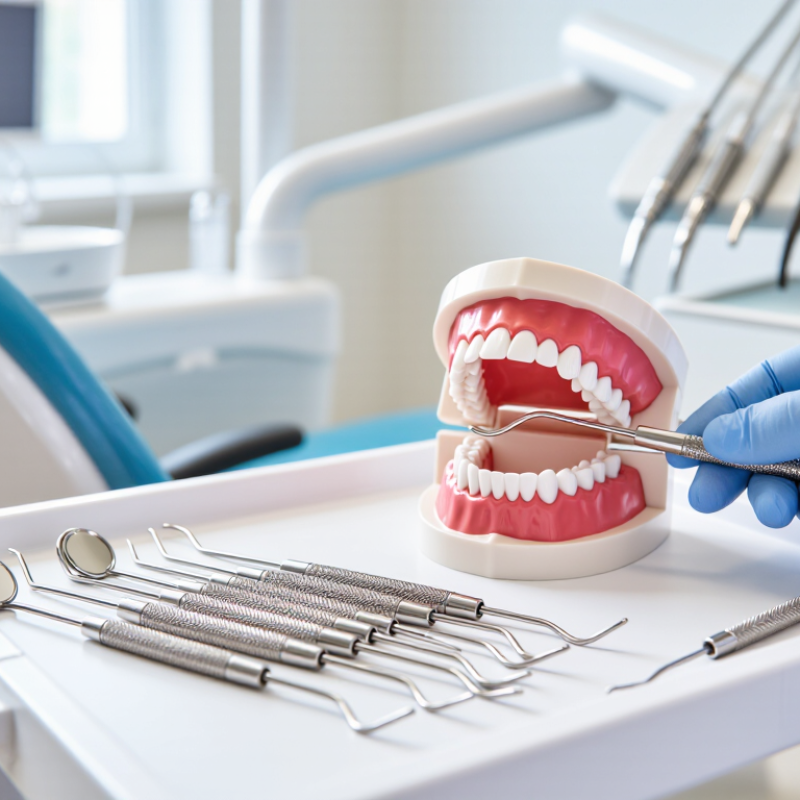
What Is a Dental Elevator Set Used For?

What a Dental Elevator Set Is

What a Dental Elevator Set Is

A dental elevator set is a group of handheld instruments used by trained dental professionals during tooth removal. Each instrument has a handle and a narrow working end. That end may be straight, curved, or shaped for access around a tooth or root. Elevators help gently loosen the tooth by working around its supporting tissues before forceps are used. They are not interchangeable: tip shape and size affect access and control. The name can sound forceful, but careful use depends on measured pressure and a clear view.

The need for these instruments sits within a wider oral-health picture. A 2020 National Center for Health Statistics Data Brief reported that 21.3% of U.S. adults aged 20–64 had untreated dental caries during 2015–2018. That figure does not measure extractions, but it shows how common untreated decay can be. An elevator set supports one part of clinical care; it does not determine whether removal is appropriate. That judgment requires an individual examination.

Tips: Check that the working end is intact and clean before clinical use. Select a shape suited to the tooth and available access, not simply the most familiar one. Small details matter. Even experienced clinicians may need to pause and reassess when resistance feels unexpected.

What Is a Dental Elevator Set Used For?

A dental elevator set contains instruments used during tooth extraction to loosen teeth and roots from their surrounding tissues and socket.

The bars show a typical procedural order, not measured time or frequency. The exact steps vary with the tooth and clinical situation; elevators are used carefully to avoid injury to surrounding tissues.

How Dental Elevators Are Designed and Classified

What Is a Dental Elevator Set Used For?

How Dental Elevators Are Designed and Classified

A dental elevator set contains instruments that help loosen a tooth before removal. Designs vary by blade shape, angle, and working-end width. Straight elevators have a relatively direct blade; curved or offset designs help reach different tooth surfaces. Some sets include triangular elevators for specific root positions. The handle, shank, and blade must work together to provide controlled force and a clear view. Classification is useful, but naming conventions can differ between manufacturers and training systems.

Design reflects clinical need, not just convenience. The World Health Organization’s 2022 Global Oral Health Status Report estimates that oral diseases affect nearly 3.5 billion people worldwide, including about 2 billion people with untreated cavities in permanent teeth. These figures describe disease burden, not extraction rates. They do help explain why dependable instruments matter. An elevator is selected for the tooth’s position, root form, and surrounding bone—not simply because it is the largest tool in the tray. Fit matters.

Tips: Match the blade to the access needed, and inspect its edge and handle before use. Avoid treating the neighboring tooth as a support point; controlled force and sound technique matter more than leverage. A set may look complete, yet an unfamiliar shape can still invite hesitation. That deserves attention during training.

How Elevators Loosen Teeth and Roots

What Is a Dental Elevator Set Used For?
How Elevators Loosen Teeth and Roots

A dental elevator helps a trained clinician loosen a tooth or retained root before removal. Its narrow tip enters the space between the tooth and surrounding bone. Gentle, controlled pressure then stretches periodontal ligament fibers and gradually widens the socket. Depending on its shape and position, the instrument works like a lever or wedge. The goal is mobility, not forceful prying. The tactile feedback is imperfect, so clinicians reassess the tooth, root shape, and nearby anatomy as they work.

The need for careful extraction sits within a wider oral-health burden: the WHO Global Oral Health Status Report (2022) estimates that oral diseases affect nearly 3.5 billion people. That figure is not an elevator-performance measure; it describes the broader need for safe, professional dental care. Elevators can help with roots that remain after a crown fractures, but curved roots or thin bone may change the approach. Small movements matter. More force is not always better.

Tips: Keep the tip supported on the tooth, not neighboring teeth, and use controlled pressure. Stop if the root shifts unpredictably or the view is unclear. These instruments require clinical training; this is not a self-treatment technique.

What Is a Dental Elevator Set Used For? - How Elevators Loosen Teeth and Roots

Purpose How the Elevator Works Typical Clinical Situation Key Consideration
Loosen a tooth before forceps removal The working end is gently placed between the tooth and surrounding bone to stretch and disrupt periodontal ligament fibers. A tooth that needs controlled mobilization before it can be grasped with forceps. Use controlled pressure and appropriate positioning; avoid using an adjacent tooth as a fulcrum.
Expand the tooth socket A gradual wedging action can help expand the socket walls and create space for tooth delivery. Selected extractions where the tooth is tight in its socket and careful socket expansion is appropriate. Force should be directed with awareness of nearby roots, bone thickness, and anatomical structures.
Remove a retained root fragment A suitable tip may be advanced carefully alongside an accessible root fragment to loosen it from the socket. A root tip or fragment remaining after a tooth has fractured during extraction. Visibility and access matter; blind or excessive pressure can displace a fragment or injure surrounding tissue.
Assist with a difficult extraction Different tip shapes and angles provide access to various tooth surfaces and root areas for controlled luxation. Selected cases involving limited access, a broken crown, or a tooth with multiple roots. The instrument and approach should be selected by a trained dental professional based on the clinical assessment.
Provide controlled leverage The handle and working end transmit small, deliberate movements that help mobilize a tooth or root. When gradual movement is preferred over forceful pulling. Elevators are not intended for uncontrolled prying; excessive force can damage bone, soft tissue, or neighboring teeth.

Dental elevators are professional instruments used as part of a clinical extraction procedure. The appropriate instrument and technique depend on the tooth, root anatomy, surrounding structures, and the clinician’s assessment.

Common Uses in Tooth Extraction

What Is a Dental Elevator Set Used For?

Common Uses in Tooth Extraction

During a tooth extraction, dental elevators help loosen a tooth before forceps are used. The clinician places the working tip carefully between the tooth and surrounding bone, then applies controlled pressure. This can stretch the periodontal ligament and create room for removal.

Small movements matter. Excessive force can damage nearby tissue or bone, so the instrument is not a lever to use casually.

Elevators come in different shapes and sizes for different tooth positions and access needs. A straight elevator may help loosen a visible tooth; angled or narrower designs can reach restricted areas. They may also help separate roots or retrieve a tooth fragment when clinically appropriate. The choice depends on examination, imaging, anatomy, and the operator’s training. It is easy to over-credit the instrument: good technique and judgment matter just as much.

The need for extractions sits within a wider oral-health burden. The World Health Organization’s Global Oral Health Status Report (2022) estimates that about 2 billion people have caries in permanent teeth, while 514 million children have caries in primary teeth. These figures do not mean those teeth require extraction; treatment decisions depend on each patient’s condition. Elevators support a specific step in care, not a substitute for diagnosis.

An awkward angle can change the plan.

Safety, Sterilization, and Clinical Considerations

A dental elevator set helps loosen a tooth from its supporting tissues before extraction.

Its thin, curved tips apply controlled pressure around the tooth. Because the instruments may contact blood, soft tissue, or bone, treat them as critical instruments. The CDC’s 2016 Summary of Infection Prevention Practices in Dental Settings recommends heat sterilization for reusable critical instruments after each use. Wiping the tips is not enough. Small scratches and dried debris can also make cleaning less reliable, so inspect each instrument under good light before packaging.

Cleaning and sterilization need separate, documented steps. Remove visible soil first, following the instrument and equipment instructions; then package and process the set in a validated heat sterilizer. The CDC’s 2003 dental infection-control guideline calls for biological monitoring at least weekly, with a spore test, and for every load containing implantable devices.

Keep cycle records, and do not release a load when monitoring results or package integrity raise concerns. During treatment, choose an elevator size that fits the site, stabilize the hand, and avoid sudden force that could injure adjacent tissues. A checklist helps, but it cannot replace judgment. In a busy clinic, a missed hinge or wet package is easy to overlook. That deserves a second look.

FAQS

What is a dental elevator set used for?

It helps loosen a tooth before forceps are used. Small, controlled movements can stretch the supporting ligament and create space.

How do elevator designs differ?

Straight blades approach more directly, while angled or curved blades can reach different surfaces. Narrow tips may suit restricted spaces. Fit matters.

How is the right elevator selected?

Selection depends on tooth position, root shape, surrounding bone, and access. The largest instrument is not automatically the best choice.

Can elevators help with roots or fragments?

Some designs may help separate roots or retrieve a fragment when clinically appropriate. Examination, imaging, and operator training guide that decision.

What should clinicians avoid during use?

Avoid sudden or excessive force, and do not use a neighboring tooth as a support point. Not just leverage. Technique and judgment matter.

Why should elevators be inspected before use?

Check the blade edge, handle, and surface under good light. Scratches or dried debris can make cleaning less reliable.

How should reusable elevators be processed?

Remove visible soil, then package and heat-sterilize them according to instrument and equipment instructions. Wiping alone is not enough.

What helps verify sterilization and safe handling?

Use documented cycle records and regular biological monitoring. Check package integrity before use; a checklist helps, but it cannot replace judgment.

Conclusion

Dental Elevator Sets are specialized instruments used by dental professionals to gently loosen teeth and roots before or during extraction. Their handles and working tips are designed to provide controlled leverage, while variations in shape and size help clinicians work around different tooth positions and root forms. Elevators may be classified by the design of their tips and their intended use, allowing a professional to select an instrument suited to the clinical situation.

During an extraction, an elevator is carefully placed between the tooth and surrounding bone or periodontal ligament. Gradual, controlled pressure helps expand the socket and loosen the tooth or root, which can make removal more manageable. These instruments may also assist with separating roots or retrieving root fragments when clinically appropriate. Safe use depends on sound technique, awareness of nearby tissues, and avoiding excessive force. Elevators must be cleaned, inspected, and sterilized according to professional protocols, and their use should be guided by a qualified dental professional.

Vivienne

Vivienne

Vivienne is a dedicated marketing professional with extensive experience in product communication, market research, content strategy, and customer engagement. As a key contributor to our company, she combines strong industry knowledge with a clear understanding of customer needs, helping audiences......
↑