
Why Choose High Precision Tweezers for Professional Use?
Professional work often depends on movements too small to notice. A technician may position a 0.2-millimeter component, lift a fragile fiber, or remove a single eyelash extension. In these moments, ordinary tweezers can slip, scratch, or apply uneven pressure. High Precision Tweezers provide finer control through accurately aligned tips, balanced tension, and carefully selected materials. The difference is visible under bright task lighting. A clean tip meets the target without unnecessary movement.
Daniel Stoll, a precision-tool specialist at Rubis, describes the principle clearly: “The tip is where control begins.” That statement reflects practical experience. The handle matters, but tip geometry decides accuracy. Fine-point, curved, and anti-magnetic designs serve different professional tasks. Stainless steel can support durability, while specialized coatings may improve handling around sensitive components. Small details matter.
Yet precision is not magic. Even the best High Precision Tweezers require steady hands, suitable magnification, and regular cleaning. I have seen users blame their tools after forcing a tip into the wrong angle. That mistake is easy to repeat. It deserves honest attention. Selection should match the material, pressure, workspace, and expected frequency of use. A comfortable grip also reduces fatigue during long sessions. In electronics, laboratories, jewelry repair, and beauty applications, controlled contact protects both the object and the operator. The right tweezers do not replace skill. They make skilled work more consistent, measurable, and dependable.
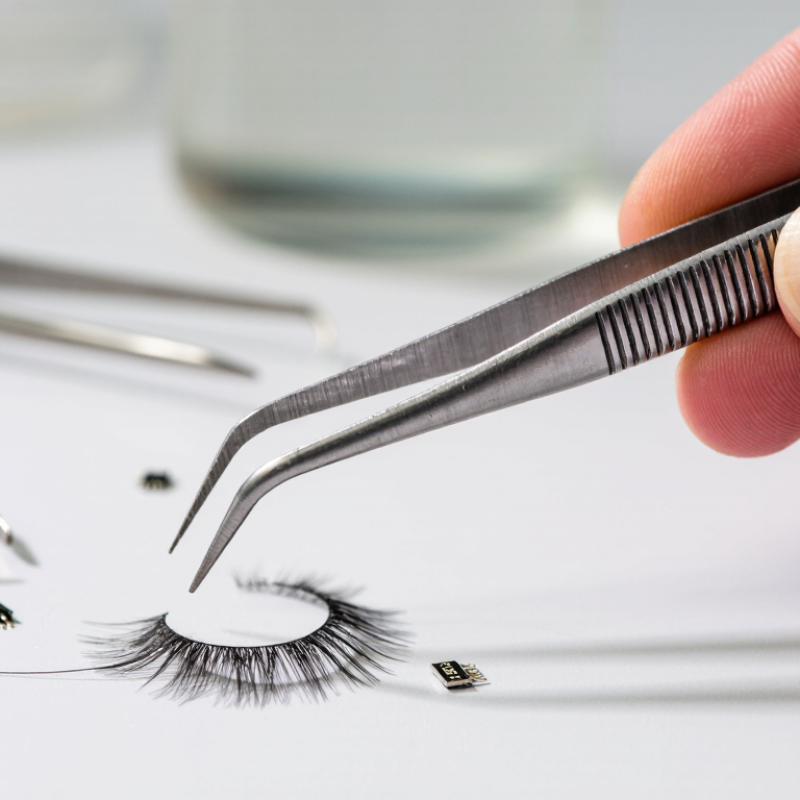
High precision tweezers are hand tools designed to grip, position, or remove very small objects with controlled force. Their narrow tips meet accurately, creating a stable contact point instead of a broad, clumsy grip. This design supports detailed work in laboratories, electronics, jewelry, microscopy, and other professional settings. Small details matter.
They work through spring tension. When the user presses the handles, the tips move together. Releasing pressure allows them to separate smoothly. Well-made tweezers maintain balanced resistance, so the fingers can adjust pressure without sudden movement. Fine tips can reach tight spaces, while textured or shaped handles reduce slipping during longer tasks. Anti-static materials may also help protect sensitive components, although they do not replace proper workplace controls.
Professional selection requires more than choosing the sharpest tips. Alignment, stiffness, surface finish, and hand comfort all affect accuracy. A practical check is simple: close the tips against a bright background and look for gaps or uneven contact. There should be little movement at the joint. However, even precise tweezers have limits. Excessive force can bend the tips, and repeated cleaning may damage delicate surfaces. I have learned that control often matters more than extreme sharpness. The best tool feels predictable in the hand, not merely impressive under inspection.
Professional-grade tweezers begin with controlled tip geometry. The two tips should meet evenly, without a visible gap or sideways twist. Under 10× magnification, even a slight mismatch can damage delicate fibers or move a sample inaccurately. I have found that alignment matters more than a mirror-like finish.
Material selection also affects daily reliability. Stainless steel offers corrosion resistance, cleanability, and stable performance during repeated handling. However, “stainless” alone proves little. Professional users should check hardness, surface treatment, and manufacturing traceability. The ISO Survey 2023 recorded more than 38,000 ISO 13485 certificates worldwide, showing how strongly medical manufacturing depends on documented quality systems. Tweezers made for controlled work should reflect the same discipline.
Grip design is another defining feature. A balanced spring reduces finger pressure during long inspection sessions. Fine ridges can improve control, but aggressive textures may create hot spots on the skin. EU-OSHA identifies repetitive movements and awkward hand positions as important ergonomic risks. A lighter squeeze can therefore protect accuracy and comfort. It is not always better, though. Excessively soft tension may cause shaky placement. I still test this by picking up a single hair, rotating it, and releasing it slowly. That simple check exposes poor control quickly.
In delicate assembly, accuracy often depends on the tool’s smallest contact point. High precision tweezers let me position tiny components without covering their edges. A well-aligned tip meets the part evenly. This reduces slipping, rotation, and accidental pressure. The difference is visible when placing a 1-millimeter connector beside a marked line. Standard tweezers may move it. Precision tweezers let the fingers make smaller corrections. Control starts at the tip.
Tip shape affects access and visibility. Fine pointed tips reach narrow gaps, while flat tips support fragile surfaces more evenly. Consistent spring tension also matters. If the arms open unevenly, the hand compensates, and fatigue arrives sooner. During repeated inspection work, I prefer a light, controlled squeeze rather than a tight grip. It preserves tactile feedback and limits surface marks. Clean, matched tips improve reliability, but they do not replace skill.
Small habits matter. I check alignment under magnification, test the grip on a spare part, and wipe residue before detailed work. Still, precision tools are not automatically perfect. Tips can bend, surfaces can wear, and my own pressure can change when tired. I have misaligned a component by rushing, even with excellent tweezers. That mistake reminds me to slow down, support my wrists, and inspect each placement before releasing it. A stable hand follows a stable process.
Choosing the right tweezer material affects control, comfort, and service life. Stainless steel offers strength and easy cleaning. It also resists corrosion during regular professional use. Titanium feels lighter and reduces hand fatigue during long sessions. It is also non-magnetic, which can matter in delicate technical work. Ceramic tips resist certain chemicals, but they may chip if dropped. I once chose a lightweight tool without checking its balance. My hand tired faster than expected.
Tip shape should match the task, not personal preference alone. A fine pointed tip can separate tiny components or grasp one short hair. Slanted tips provide a wider contact area and better visibility. Flat tips suit gentle handling of larger, fragile pieces. Examine the tip under bright light. The edges should meet evenly, without a visible gap. Even a small misalignment can cause slipping or unnecessary pressure.
Design details often decide whether precision feels natural. Look for smooth spring tension, a steady grip, and handles that do not pinch the fingers. A matte surface can improve control when gloves are worn. The tweezer should close without twisting sideways. Test it slowly. No tool is perfect, and overly sharp tips can become difficult to control. Regular inspection matters because tips can dull before the damage becomes obvious. Choose performance over appearance, then reassess it after real work.
Professional work demands controlled handling, especially when parts are tiny, fragile, or easily contaminated. High precision tweezers support electronics assembly, microscopy, laboratory preparation, jewelry repair, and delicate inspection tasks. Their fine tips can improve placement accuracy and reduce pressure on sensitive components.
The right shape matters. Straight tips suit direct access, while angled tips help reach narrow or recessed areas.
Maintenance determines whether that precision lasts. Inspect the tips under magnification before each important task. They should meet evenly without visible gaps or twisted edges. Clean them with a lint-free swab and a compatible cleaning solution. Avoid abrasive materials, since small scratches can trap residue.
In laboratory environments, follow the documented sterilization procedure for the tool’s material. Heat, chemicals, and repeated handling may weaken the finish over time.
Storage is part of professional practice. Keep tweezers in a protective case, with the tips separated from hard surfaces. Do not use them to open packages, scrape materials, or grip objects beyond their design.
A simple handling log can reveal when alignment begins to change. No tool stays perfect. Even experienced technicians sometimes overlook slight tip damage under poor lighting.
Better inspection habits, not force, usually solve that problem. Test closure on a clean, fine sheet before delicate work. Small checks prevent expensive mistakes.
They grip, position, or remove very small objects. Common uses include laboratory work, electronics, jewelry, and microscopy. Small details matter.
Spring tension moves the tips together when you press the handles. Releasing pressure separates them smoothly. Control is the key.
Stainless steel offers strength, easy cleaning, and corrosion resistance. Titanium is lighter, non-magnetic, and useful during long tasks. Ceramic tips resist some chemicals but may chip if dropped.
Match the tip shape to the task. Fine points handle tiny components, slanted tips improve visibility, and flat tips support fragile objects. Personal preference alone can mislead you.
Close the tips against a bright background. Look for gaps, uneven contact, or sideways twisting. A small gap can cause slipping.
Choose smooth spring tension, stable handles, and surfaces that resist slipping. A matte finish may help when wearing gloves. Test the tool slowly.
No. Anti-static materials may reduce certain risks, but they do not replace proper workplace controls. The tool helps, not everything.
Inspect the tips regularly for dullness, bending, or surface damage. Clean them carefully because repeated cleaning may harm delicate finishes. I sometimes focus too much on sharpness; predictable control matters more.
High Precision Tweezers are specialized tools designed to handle small, delicate components with exceptional accuracy and control. Their finely aligned tips, balanced construction, and smooth gripping action allow professionals to position, lift, or remove tiny objects without unnecessary pressure or movement. Unlike ordinary tweezers, professional-grade designs focus on consistent tip alignment, comfortable handling, corrosion resistance, and reliable performance during repeated use.
Choosing the right High Precision Tweezers depends on the material, tip shape, and intended application. Stainless steel offers durability and easy cleaning, while other specialized materials may be suitable for sensitive or static-prone tasks. Fine pointed tips support detailed work, whereas rounded, curved, or flat tips provide different levels of grip and access. These tweezers are useful in electronics, laboratory procedures, jewelry work, crafts, and other precision-based fields. Regular maintenance, including careful cleaning, proper storage, and inspection for tip damage or misalignment, helps preserve accuracy and extend their service life.