 Surgical · Dental · Precision Instruments Surgical · Dental · Precision Instruments
 Engineered from premium German martensitic steel, passivated and tested for high-durability surgical procedures.
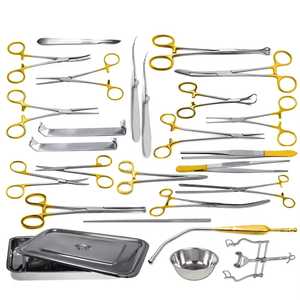
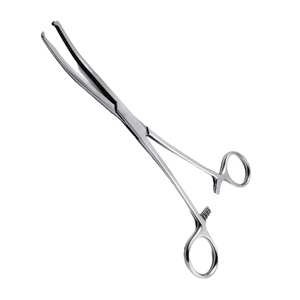
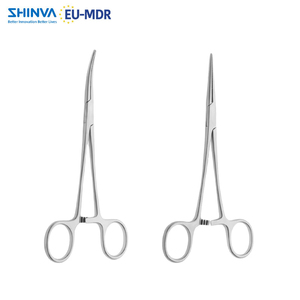
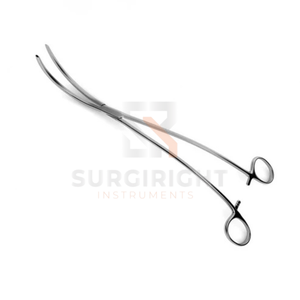
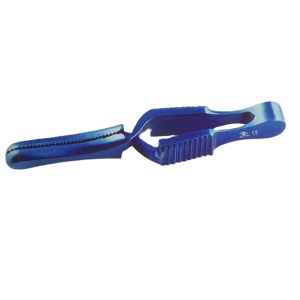
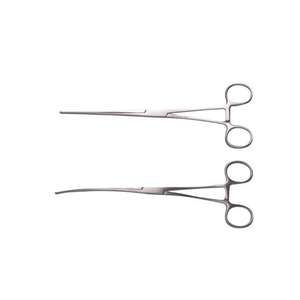
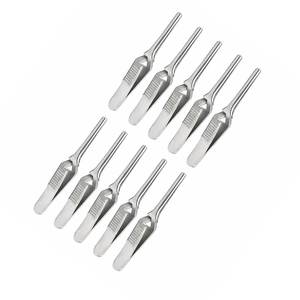
In modern orthopedic, maxillofacial, and plastic reconstructive surgery, the mechanical precision of bone-cutting instruments directly correlates with surgical outcomes, osteocyte viability, and post-operative osseointegration. A bone osteotome—unlike a standard surgical chisel—features a double-beveled cutting edge designed specifically to sculpt, slice, or reshape bone without fracturing adjacent cortical structures. For hospital procurement committees, Group Purchasing Organizations (GPOs), and global medical device distributors, sourcing from verified CE Certified Bone Osteotomes Manufacturers & Factories is a critical imperative that impacts regulatory compliance, surgeon satisfaction, and patient safety.
Leading surgical instrument manufacturing hubs, such as the world-renowned cluster in Sialkot, Pakistan, rely on certified high-grade martensitic stainless steel alloys—predominantly AISI 420B, AISI 420C, and AISI 440A (German DIN standards 1.4021, 1.4028, and 1.4116). These steel grades are selected for their elevated carbon-to-chromium ratios, which deliver high tensile yield strength and superior edge retention.
The manufacturing process at accredited factories begins with precision die-forging to align the internal grain structure along the longitudinal axis of the instrument. Following CNC milling and initial grinding, osteotomes undergo multi-stage vacuum heat treatment and cryogenic stabilization. This prevents decarburization, eliminates residual micro-stresses, and guarantees uniform hardness across the entire shaft and bevel.
Forged from AISI 420/440 surgical grade steel with optimal carbon-chromium ratios, providing resistance to mechanical wear and stress pitting.
Controlled vacuum furnace hardening and tempering yielding HRC 48-52 hardness, preventing micro-fractures under high-load mallet impact.
Conforms to ASTM A967 and ISO 16061 standards, creating an impermeable chromium-oxide layer that resists steam autoclave corrosion up to 134°C.
Selecting the optimal raw material is fundamental to balancing cutting performance against instrument lifespan. The matrix below details the structural attributes of surgical alloys utilized in premium bone osteotomes and surgical clamp production:
| Steel Grade Standard | Chromium / Carbon % | Rockwell Hardness (HRC) | Corrosion Resistance | Optimal Surgical Application |
|---|---|---|---|---|
| AISI 420B (1.4028) | 12.5–14.5% Cr / 0.26–0.35% C | 48 – 52 HRC | High (Passivated) | Standard Orthopedic Osteotomes, Lambotte Chisels |
| AISI 420C (1.4034) | 12.5–14.5% Cr / 0.43–0.50% C | 52 – 55 HRC | Moderate-High | Micro-Rhinoplasty Osteotomes, Fine Cutting Blades |
| AISI 440A (1.4110) | 16.0–18.0% Cr / 0.60–0.75% C | 54 – 57 HRC | Exceptional | Heavy Duty Bone Gouges, High-Load Reamers |
| AISI 316L (1.4404) | 16.5–18.5% Cr / 0.03% C max | 25 – 30 HRC (Non-hardenable) | Superior (Austenitic) | Surgical Handles, Holloware & Sterilization Containers |
| Titanium Ti-6Al-4V Grade 5 | Alloyed Ti / 6% Al / 4% V | 36 – 40 HRC | Immune to Rust / MRI-Clear | Non-magnetic Neuro & Micro-Vascular Clamps |
Blending heritage artisanal craftsmanship with state-of-the-art CNC machining in Sialkot's premier medical cluster.
Located in the heart of Sialkot, Pakistan—the globally recognized epicenter for surgical instrument fabrication—S.S. SURGIMED operates an integrated manufacturing facility certified under ISO 13485:2016 and ISO 9001. With over three decades of engineering expertise, the company manufactures full spectrum catalog lines and proprietary OEM patterns for leading healthcare brands in Europe, North America, the Middle East, and Asia-Pacific.
Unlike third-party traders or sourcing intermediaries, S.S. Surgimed executes every stage of production in-house. From raw bar stock verification to final laser UDI etching, strict Quality Assurance (QA) and Acceptable Quality Limit (AQL) protocols govern all workflows. This vertical integration guarantees 100% batch-to-batch consistency, complete material traceability, and competitive factory-direct pricing.
Hot die forging of certified mill steel bars into dense instrument blanks with longitudinal grain alignment.
5-axis CNC precision milling of box locks, bevel angles, serrations, and ratchet teeth to strict tolerances.
Master artisans hand-fit hinges, align osteotome tips, and calibrate tension for smooth operation.
Controlled vacuum furnace hardening and sub-zero cryogenic quenching for maximum edge integrity.
Multi-stage abrasive belt grinding, satin micro-finishing, and razor edge sharpening under optics.
Chemical passivation removes free iron, establishing a corrosion-resistant chromium oxide barrier.
High-contrast fiber laser marking of brand logos, catalog numbers, LOT codes, and UDI Data Matrix.
100% inspection under magnification, functional jaw alignment check, clean packaging, and export wrap.
Key shifts impacting global medical device buyers, regulatory standards, and supply chain logistics.
The global market for orthopedic surgical instruments is undergoing a rapid evolution driven by stringent regulatory frameworks, technological integration, and supply chain diversification. B2B procurement managers must navigate several strategic trends over the coming decade:
With the transition from the legacy Medical Device Directive (MDD) to the rigorous EU MDR (2017/745), regulatory scrutiny on reusable Class I and Class I reusable surgical instruments (Class Ir) has intensified. Global importers now require comprehensive Technical Documentation Files (TDF), accredited Notified Body oversight, EUDAMED registration, and permanent Unique Device Identification (UDI) laser etching. Suppliers unable to provide verifiable Declarations of Conformity and material mill certificates are being phased out of European supply networks.
Surgeon fatigue and repetitive stress injuries during prolonged joint reconstruction procedures have spurred demand for ergonomically refined bone osteotomes. Modern procurement contracts prioritize instruments featuring lightweight aluminum-bronze impact caps, textured anti-slip silicone handles, and vibration-absorbing shafts that minimize kinetic energy feedback to the surgeon's hand.
Distributors are increasingly moving away from unbranded generic tools in favor of tailored private label lines. Contract manufacturers with rapid CNC prototyping capabilities, custom laser anodization options, and personalized blister/kit packaging are capturing market share by enabling distributors to build proprietary brand equity.
Environmental, Social, and Governance (ESG) criteria are entering hospital tender evaluations. Eco-friendly factories utilizing citric acid passivation instead of hazardous nitric acid, closed-loop water filtration system in grinding shops, and recyclable packaging materials hold a distinct competitive edge in international bids.
Advanced features elevating cutting efficiency, surgical safety, and instrument longevity.
Osteotome blades with micro-etched laser calibration lines (5mm, 10mm, 15mm) allow real-time penetration depth verification during sensitive rhinoplasty or spinal osteotomies.
Black Diamond-Like Carbon (DLC) coatings reduce optical glare under operating theatre lights while increasing surface hardness to over 70 HRC for ultra-durable cutting bevels.
Quick-connect ergonomic handles with interchangeable micro-blades reduce instrument tray weight in CSSD and optimize sterilisation throughput.
Direct answers to technical, regulatory, and commercial inquiries from medical instrument buyers.
Request our comprehensive 2025/2026 surgical instrument catalogs, order custom OEM evaluation samples, or consult with our export engineering team regarding factory-direct volume pricing.