 Surgical · Dental · Precision Instruments Surgical · Dental · Precision Instruments
 Forged from vacuum-hardened German and Japanese martensitic stainless steel. Engineered for repeatable autoclave sterilization and zero jaw-alignment deviation.
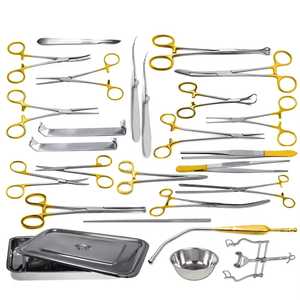
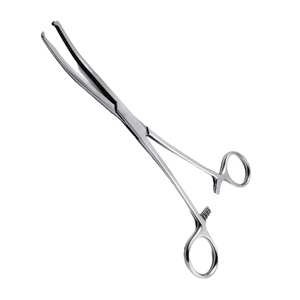
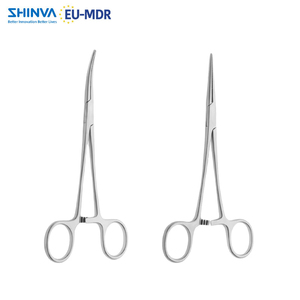
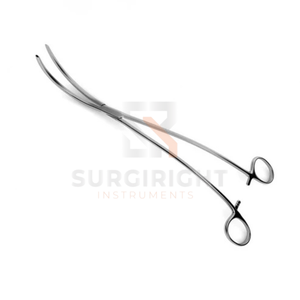
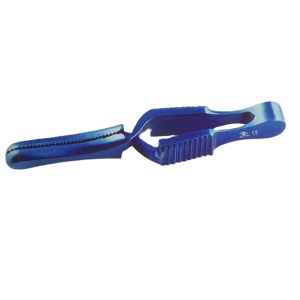
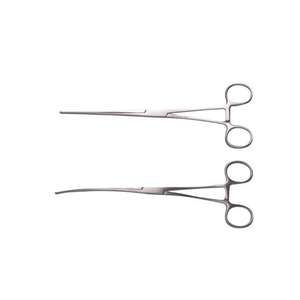
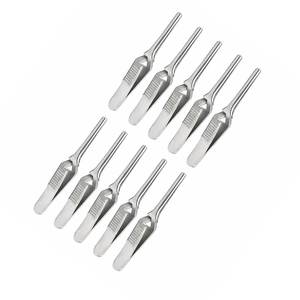
In modern surgical and podiatric procedures, the precision of cutting instruments directly influences clinical outcomes, tissue trauma mitigation, and procedural efficiency. As an established CE Certified Nail Cutters Manufacturer & Exporter operating from the world-renowned surgical instrument manufacturing hub in Sialkot, Pakistan, S.S. Surgimed combines decades of artisanal craftsmanship with advanced metallurgical engineering. Our facility manufactures high-tensile nail cutters, podiatry nippers, tissue shears, and specialized surgical clamps that comply rigorously with European Medical Device Regulation (EU MDR 2017/745) Class I requirements and ISO 13485:2016 quality standards.
Clinical Insight: The mechanical leverage required to cut thickened or dystrophic nails requires a minimum Rockwell C Hardness (HRC) of 50 to 56 at the cutting edge, combined with an optimized double-spring joint mechanism that distributes user hand pressure uniformly across the fulcrum.
Selecting the ideal stainless steel grade is fundamental to instrument longevity, edge retention, and corrosion resistance during repeated steam sterilization (autoclaving at 134°C). S.S. Surgimed utilizes certified high-grade raw materials sourced under mill cert tracking:
Medical-grade nail cutters and tissue clippers feature dual joint engineering architectures: Box-Lock Joints and Lap-Joint Double-Action Mechanisms. A double-action leverage system reduces necessary grip effort by up to 60%, allowing podiatrists and surgical technicians to maintain tactile sensitivity while exerting sufficient force to shear tough keratinized structures.
Precision tolerance milling ensures jaw tip alignment within < 0.02 mm. Microscopic clearance between cutting edges eliminates tearing, burr creation, or tissue slippage, protecting periungual skin barriers and fragile micro-vascular structures.
Our vertically integrated facility in Sialkot, Pakistan houses dedicated units for forging, CNC milling, vacuum heat treatment, electro-polishing, ultrasonic passivation, and laser-marking. By keeping 100% of critical manufacturing processes in-house, we guarantee batch-to-batch consistency for international medical supply brand owners, private label distributors, and hospital group purchasing organizations (GPOs).
100% certified steel lot control from raw bar stock mill certificates to laser-marked finished medical products.
Controlled vacuum furnace atmosphere hardening prevents surface decarburization and guarantees targeted HRC hardness levels.
Electro-chemical polishing and citric passivation build a dense chromium oxide layer for maximum rust protection in CSSD workflows.
Full custom branding including high-resolution fiber laser marking, custom catalogue numbering, and bespoke retail box packaging.
Laser etching of 2D DataMatrix UDI (Unique Device Identification) compliance codes for seamlessly tracked EU MDR logistics.
Complete regulatory dossiers, European Authorized Representative (EC REP) support, and Declarations of Conformity ready for export.
As international healthcare markets adapt to stricter regulatory scrutiny, supply chain resilience, and environmental sustainability, major medical device importers and healthcare providers are shifting their procurement strategies. Key trends shaping the future of surgical cutter and clamp manufacturing include:
Rising demand for TC-tipped cutters offering up to 5x longer edge life compared to standard stainless steel, lowering hospital lifecycle replacement costs.
Universal rollout of direct part laser UDI marking, allowing CSSD departments to scan and track individual instrument sterilization cycles via hospital ERPs.
Growing preference for Physical Vapor Deposition (PVD) dark satin or ceramic coatings to eliminate glare under high-intensity operating room lighting.
Shift towards eco-conscious manufacturing utilizing closed-loop water recycled polishing lines and green passivation processes minimizing chemical waste.
To assist procurement managers, surgical brand managers, and medical supply buyers in making informed purchasing decisions, the following matrix details our technical benchmarks across product lines:
| Instrument Category | Primary Material Grade | Hardness Rating | Joint Architecture | Sterilization Compliance |
|---|---|---|---|---|
| Heavy-Duty Nail Cutters | AISI 420 / 440C Stainless Steel | HRC 52 – 56 | Double-Spring / Box Lock | Autoclavable 134°C / ISO 17664 |
| Micro Vascular Clamps | German AISI 410 / Titanium Alloy | HRC 42 – 48 | Atraumatic Jaw / Screw Joint | Steam Sterilization / ETO |
| Hemostatic Forceps (Kelly) | AISI 410 Martensitic Steel | HRC 44 – 48 | Precision Box Lock with Ratchet | Autoclavable 134°C |
| Gastrointestinal Cutters/Clamps | AISI 420 Stainless Steel | HRC 46 – 50 | Foss Anterior Lock | Autoclavable 134°C |
| Precision Tweezers & Nippers | Anti-Magnetic / Anti-Acid Steel | HRC 40 – 45 | Guide Pin / Spring Steel | Autoclavable / Cleanroom Ready |
Every instrument produced by S.S. Surgimed passes through an 8-stage quality gate system ensuring compliance with engineering blueprints and international ISO specifications:
Certified steel rods are hot forged into robust instrument blanks aligning grain structure along stress axes.
Multi-axis CNC milling executes exact box locks, serrations, ratchet teeth, and screw hole locations.
Master craftsmen hand-fit hinges, set jaw clearances, and align jaw tips under high optical magnification.
Computerized vacuum heat treatment hardens instruments, followed by sub-zero cryogenic tempering.
Precision edge grinding creates ultra-sharp cutting bevels on nail cutters and surgical scissors.
Ultrasonic cleaning followed by chemical passivation forms an impenetrable chromium-oxide barrier against corrosion.
100% dimensional and functional test plus high-clarity laser marking of client logo, LOT, and UDI data.
Individual pouching, blister sealing, or custom kit tray packing ready for consolidated global shipment.
Direct answers from S.S. Surgimed’s manufacturing and regulatory teams regarding orders, materials, certifications, and OEM customizations.
We forge instruments primarily from high-grade German and Japanese martensitic stainless steels, specifically AISI 410, AISI 420, and AISI 440C for cutting edges, jaw tips, and ratchet handles. Non-cutting holloware and sterilizing trays are fabricated from austenitic AISI 304 and 316 steel. Every raw material heat lot is accompanied by a mill test certificate and undergoes hardness testing post vacuum heat treatment.
Yes. We provide complete OEM and private label manufacturing services. This includes precision fiber laser etching of your company logo, custom part numbers, LOT numbers, and 2D DataMatrix UDI codes. Furthermore, we support custom color anodizing for titanium instruments, bespoke retail packaging, customized sterile barrier packaging, and multi-lingual Instructions for Use (IFU) inserts.
Our quality management system is fully certified under ISO 13485:2016 and ISO 9001:2015. Our Class I surgical instruments and cutters carry CE marking with full EUDAMED database registration and an appointed European Authorized Representative (EC REP). Each export shipment is supplied with Declarations of Conformity, Material Composition Certificates, Passivation/Cleanliness Reports, and Certificates of Free Sale.
For initial evaluation and trial orders, standard catalogue instruments start from as low as 10 pieces per pattern. Standard repeat production orders ship within 15 to 25 working days. Custom OEM patterns requiring initial tooling, sample prototyping, and first article inspection (FAI) typically require 4 to 6 weeks from initial design approval.
Yes. All our reusable instrument lines undergo chemical passivation and electro-polishing, allowing them to withstand repeated steam autoclave cycles at 134°C (2.1 bar) in compliance with ISO 17664 standards. Reusable products are backed by a lifetime functional guarantee against manufacturing and material defects. Single-use lines are also available clean-packed or pre-sterilized upon request.
Each instrument passes through a three-stage functional inspection process. Experienced instrument craftspeople set ratchets and box joints by hand, followed by optical comparator testing to verify jaw tip alignment under 20x magnification. Final batch testing includes tissue/keratin simulation shearing to confirm clean cut execution before laser marking.
Consult with our engineering and export team today to request product samples, receive competitive factory-direct quotations, or discuss custom OEM private label contracts.
Get a Quote