 Surgical · Dental · Precision Instruments Surgical · Dental · Precision Instruments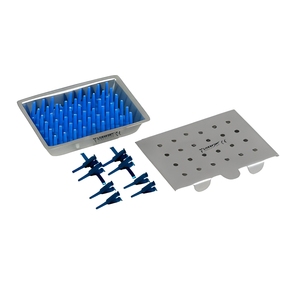
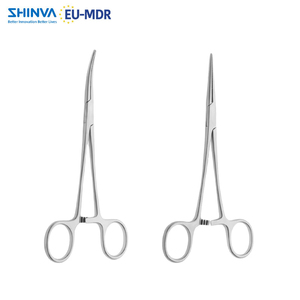
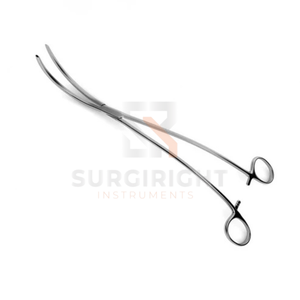
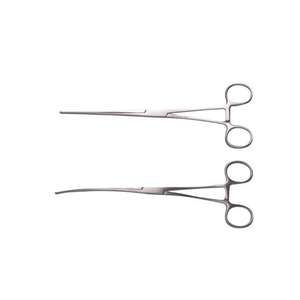
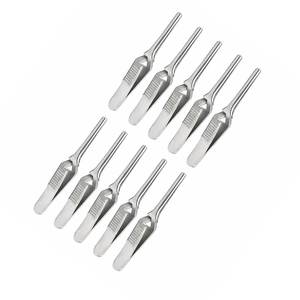
In modern orthopedic, neurosurgical, and dental surgical procedures, the bone curette remains an indispensable hand instrument designed for debridement, tissue scraping, bone graft harvesting, and precise osteotomy preparation. Navigating the global supply chain to identify a reliable China best bone curettes manufacturer requires deep insight into medical-grade metallurgy, micro-geometry cup sharpening, ergonomic torque transfer, and stringent ISO 13485 quality management systems.
As leading Chinese surgical instrument manufacturers have transitioned from conventional forging to computer-numeric-control (CNC) double-bevel grinding and automated vacuum heat treatment, China has established itself as the global hub for high-precision, cost-efficient, and highly compliant surgical instruments. This guide provides hospital purchasing directors, OEM brand owners, and medical device distributors with an authoritative evaluation framework based on Google’s E-E-A-T (Experience, Expertise, Authoritativeness, and Trustworthiness) principles.
The functional longevity and tactile responsiveness of a surgical bone curette depend primarily on the metallurgical characteristics of the steel alloy. Leading OEM manufacturers in China utilize certified surgical grade martensitic stainless steel, specifically AISI 420B (X30Cr13) and AISI 440C (X105CrMo17), imported or sourced from premier metallurgical mills with complete heat-lot traceability.
Optimized for standard Volkmann and Brun curettes. Delivers exceptional tensile yield strength, excellent ductility, and balanced corrosion resistance post-passivation.
Selected for high-wear micro-spinal curettes. Achieves Rockwell hardness up to 56 HRC, ensuring the cup razor edge remains sharp during dense cortical bone scraping.
Engineered for MRI-compatible and micro-neurosurgical procedures. 40% lighter than stainless steel, completely non-magnetic, and immune to chemical corrosion.
Bone curettes are engineered across diverse dimensional profiles to accommodate tissue densities ranging from soft cancellous bone in pediatric procedures to dense cortical bone in adult spinal fusion. A premier manufacturer must maintain extensive tooling matrices for standard and customized patterns.
Precision sharp edges are achieved through multi-axis CNC grinding followed by hand honing under stereo microscope inspection. Cup diameters strictly follow international sizing standards:
| ISO / International Standard Size | Cup Diameter (mm) | Typical Anatomical Indication | Recommended Steel Grade |
|---|---|---|---|
| Size #6 / #5 | 8.0 mm – 10.0 mm | Large bone cavity curettage (Femur, Tibia) | AISI 420B Stainless Steel |
| Size #4 / #3 | 6.0 mm – 7.5 mm | General Orthopedics & Trauma Surgery | AISI 420B Stainless Steel |
| Size #2 / #1 / #0 | 3.5 mm – 5.0 mm | Small Joint Arthrodesis & Forefoot Surgery | AISI 420B / AISI 440C |
| Size #00 / #000 | 2.0 mm – 3.0 mm | Spinal Discectomy & Hand Surgery | AISI 440C High-Carbon Steel |
| Size #0000 / #00000 | 1.0 mm – 1.8 mm | Neurosurgery, Skull Base & Micro-ENT | AISI 440C / Titanium Alloy |
Maintaining functional uniformity across thousands of production units requires rigorous quality gates at every stage of production. Below is the technical route executed within our certified manufacturing facilities in China:
Precision hot-die forging ensures optimal metallurgical grain flow along the curette shank, preventing flexural fatigue breakages.
Computer-controlled profiling cuts the precise volumetric internal cup void, shank taper, and handle knurling patterns.
Computer-regulated vacuum hardening and cryogenic tempering eliminate atmospheric oxidation while achieving 54-56 HRC hardness.
Master craftspeople perform microscopic edge alignment to ensure razor-sharp cup lips free of burrs or microscopic nicks.
Automated ultrasonic cleaning and ASTM A967 chemical passivation build a dense chromium oxide protective surface barrier.
High-resolution fiber lasers etch brand logos, item catalogue numbers, LOT numbers, and 2D UDI Data Matrix codes.
Boil tests, salt spray testing (ASTM B117), and optical hardness testing verify total compliance with surgical standards.
Instruments undergo final ultrasonic decontamination and are packed in medical pouches or customized OEM boxed sets.
The global surgical instrument marketplace is experiencing significant structural shifts driven by evolving regulatory demands, cost-containment initiatives within healthcare systems, and rapid technological advancements in minimally invasive surgery. Understanding these macro trends allows group purchasing organizations (GPOs) and hospital procurement teams to optimize their supply chain resilience.
With the full implementation of the European Union Medical Device Regulation (EU MDR 2017/745), international buyers require complete technical documentation, validated biocompatibility reports, and EUDAMED registration. Leading Chinese manufacturers now maintain dedicated regulatory affairs teams to supply technical files and CE documentation directly to importers.
To reduce intraoperative glare under high-intensity operating theatre lighting and microscope visualization, demand for non-reflective Titanium Nitride (TiN) and Diamond-Like Carbon (DLC) black-coated curettes has grown by over 35% annually. These coatings also increase edge surface hardness to >70 HRC.
Hospital buyers are shifting away from individual instrument ordering toward procedure-specific, customized orthopedic sets. China's top curette manufacturers offer turn-key private label programs, providing custom-molded silicone holding brackets, laser-etched aluminum sterilization containers, and co-branded packaging.
Connect directly with our engineering team for technical drawings, material mill certificates, sample evaluation, and competitive wholesale quotations.
Send an InquiryCombining traditional hand-finishing craftsmanship with state-of-the-art CNC machining, our facility offers unmatched production capacity and quality assurance for global medical device brands.
Over 500 active curette forging dies covering Volkmann, Brun, Cobb, Spratt, and Scoville patterns, drastically reducing setup lead times for OEM orders.
100% optical dimensional inspection of cup bevels and hardness testing across all heat treatment lots ensures zero defective parts reach your warehouse.
Full compliance with ISO 13485:2016, ISO 9001, CE marking for Class I medical devices, and complete raw material mill certificate traceability.
We forge bone curettes primarily from surgical-grade martensitic stainless steels, such as AISI 420B (X30Cr13) and AISI 440C (X105CrMo17). AISI 420B delivers exceptional flexibility and fracture toughness for general orthopedic use, while AISI 440C provides superior edge retention with hardness up to 56 HRC for precise micro-curettage. All raw materials arrive with certified mill test reports detailing chemical composition and mechanical compliance.
Our production process integrates multi-axis CNC grinding with computerized vacuum heat treatment. Vacuum hardening prevents surface decarburization, ensuring uniform hardness throughout the steel. Final edge honing is performed under 20x optical magnification by senior surgical instrument technicians, ensuring a sharp, burr-free scraping edge that resists dulling even after repeated autoclaving cycles at 134°C.
Yes. As a leading OEM/ODM manufacturer in China, we specialize in custom instrument development. We can create tooling based on your CAD drawings, 3D models, or physical samples. We provide high-precision fiber laser marking for customer logos, catalogue references, LOT codes, and UDI (Unique Device Identification) Data Matrix barcodes, along with customized packaging solutions.
Our quality management system is certified to ISO 13485:2016 and ISO 9001 standards. Our reusable surgical instruments carry CE markings compliant with EU regulations (Class I medical devices). With every bulk shipment, we provide Declarations of Conformity, Material Mill Certificates, Passivation Reports (ASTM A967), and Hardness Test Certificates required by health authorities worldwide.
For standard catalogue curette patterns (such as Brun, Volkmann, or Cobb curettes), our trial MOQ starts at 10 to 25 pieces per size. Standard repeat orders are fulfilled within 15 to 25 working days. For custom OEM designs requiring new forging dies or custom CNC programming, sample lead times are typically 3 to 4 weeks, with mass production following first article inspection (FAI) approval.
All instruments undergo multi-stage ultrasonic degreasing, electro-polishing, and chemical passivation in compliance with ASTM A967 / ASTM F86 standards. This process removes surface iron contaminants and builds a dense, self-healing chromium oxide passive layer. Every batch undergoes boiled water testing and salt spray testing (ASTM B117) to verify immunity against pitting and corrosion during CSSD steam sterilization.
Request an instant quote, technical catalog, or order evaluation samples today. Our expert engineering and export team is ready to support your sourcing requirements.
Send an Inquiry