 Surgical · Dental · Precision Instruments Surgical · Dental · Precision Instruments
 Forged from certified AISI 304/316 & 420 German grade stainless steel, built to exceed ISO 13485 and CE compliance standards with zero deformation under physical load.
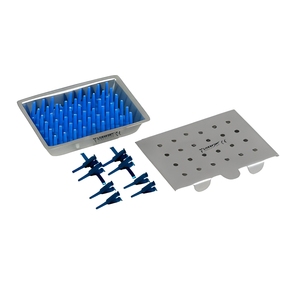
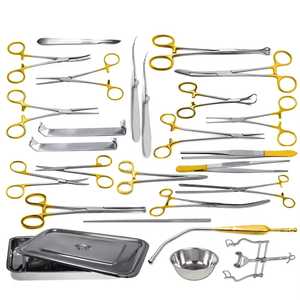
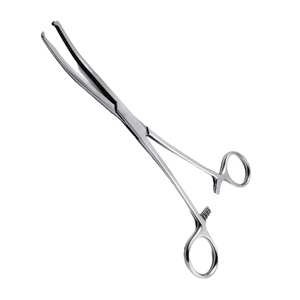
In modern restorative dentistry, prosthodontics, and implantology, the ultimate fidelity of a final crown, bridge, or full-arch prosthesis is inextricably linked to the initial accuracy of the impression. A dental impression tray is not merely a passive holder for impression material; it is a structural vehicle that dictates hydraulic pressure distribution, mechanical retention, and viscoelastic recovery during impression withdrawal. Choosing the right China impression trays manufacturer & suppliers has thus evolved from a basic cost-efficiency decision into a strategic quality assurance imperative for global hospital group purchasing organizations (GPOs), dental procurement brands, and clinical distributors.
China's medical device manufacturing sector has undergone a profound industrial transformation. Moving far beyond high-volume plastic disposables, premier Chinese manufacturers now engineer surgical-grade stainless steel dental impression trays (rim-lock, perforated, solid, water-cooled, and sectional) that rival traditional European metallurgical standards. Utilizing advanced German and Japanese martensitic and austenitic stainless steel alloys (AISI 304, 316, 420), automated CNC hydraulic stamping, and vacuum heat treatment, leading suppliers deliver high-rigidity trays with zero deflection under heavy body impression loads.
Information Gain Insight: Tray deflection as minor as 0.05 mm under high-viscosity elastomeric pressure can cause internal stress concentration, leading to dimensional warping upon material set. High-rigidity AISI 304 stainless steel impression trays manufactured in China guarantee structural flex resistance exceeding 250 MPa, ensuring true-to-mouth digital scan and stone cast replication.
This technical whitepaper provides healthcare procurement directors, OEM buyers, and clinical evaluators with an exhaustive analysis of metallurgical standards, tray design topologies, manufacturing compliance (ISO 13485:2016, CE Mark, EUDAMED), and future procurement vectors driving the global dental trade.
To evaluate a manufacturer's true technical competence, procurement managers must look beyond surface polishing to examine core metallurgical composition, thermal history, and mechanical retention geometry. Lower-tier manufacturers frequently utilize reprocessed metal alloys that suffer from micro-porosity, uneven wall thickness, and low corrosion resistance during autoclave steam sterilization cycles.
Premium metal impression trays are manufactured predominantly from austenitic stainless steel grades AISI 304 and AISI 316. These alloys contain high percentages of Chromium (18-20%) and Nickel (8-10.5%), forming a dense, self-healing Chromium Oxide (Cr₂O₃) passive layer that resists aggressive chemical disinfection and repeated autoclaving up to 134°C (273°F).
| Material Parameter | AISI 304 Stainless Steel | AISI 316 Stainless Steel | Aluminum Alloy (Anodized) | Polycarbonate (Disposable) |
|---|---|---|---|---|
| Tensile Strength (MPa) | 515 - 620 MPa | 580 - 680 MPa | 110 - 240 MPa | 60 - 80 MPa |
| Autoclavability Cycles | > 1,000 Sterilization Cycles | > 2,000 Sterilization Cycles | 50 - 100 Cycles | Single-Use Only (0) |
| Corrosion Resistance | High (Standard CSSD) | Ultra-High (Acid/Saline Resistant) | Moderate (Pitting Risk) | Chemical Degradation Risk |
| Rigidity Under Load | Zero Flex under Hydrophobic VPS | Zero Flex under Heavy Body Polyether | Minor Flex under Stress | High Flex (Distortion Risk) |
| Primary Application | Reusable Clinical Trays | Surgical & High-Corrosive Trays | Budget Reusable Trays | Single-Patient Orthodontics |
A critical engineering feature of professional impression trays is the mechanical retention interface. Manufacturers utilize two main approaches to prevent alginate and silicone detachment from the tray wall during withdrawal from the patient's oral cavity:
Features precision laser-drilled staggered perforations (1.8mm to 2.2mm diameter) combined with a continuous perimeter undercut rim. Enables mechanical locks for alginates without requiring excessive chemical tray adhesives.
Designed specifically for elastomeric materials (Polyether, Addition Silicones / VPS). Employs specialized interior border ridges that capture the material while preventing pressure leakage, maximizing hydraulic displacement into gingival sulci.
Engineered to reflect distinct maxillary and mandibular morphologies: Edentulous (flat floor, shallow vestibule), Dentulous (deep palate, anatomical vault), and Pediatric variant sizing (U1-U4, L1-L4).
When sourcing surgical and dental instruments from premier Chinese suppliers like S.S. Surgimed and leading OEM partners, global buyers benefit from a fully integrated manufacturing ecosystem that controls every stage of production from raw bar stock to finished sterile packs.
Superior dimensional consistency is achieved by eliminating sub-contracted processing. Professional manufacturing facilities operate dedicated lines for each phase of production:
Regulatory approval is non-negotiable in medical device importation. Premier Chinese manufacturers maintain complete technical files and global registrations:





Certified QMS under ISO 13485:2016, ISO 9001, CE Class I Medical Devices with EC REP and EUDAMED Database Registration for seamless EU/US custom clearance.
As digital dentistry (intraoral scanning, CAD/CAM milling, 3D printing) continues its rapid expansion, the role of physical impression trays is undergoing a strategic realignment rather than obsolescence. Understanding these emerging market dynamics allows procurement leaders to optimize inventory investments:
While intraoral scanners are widely adopted for single-unit crowns, full-arch implant restorations, edentulous arches, and complex mucogingival impressions still require physical elastomeric impressions to capture soft tissue compressibility under functional pressure. Suppliers in China are pioneering hybrid impression trays engineered with low-profile windows and radiolucent scan windows, allowing simultaneous physical tray seating and scan-body digitization.
Central Sterile Supply Departments (CSSD) in modern hospital networks require full cycle-to-patient traceability. Future-ready stainless steel impression trays manufactured in China are now being embedded with laser-etched micro 2D Data Matrix codes and high-temperature ultra-small RFID chips capable of enduring 1,000+ autoclave steam cycles at 134°C. This allows hospital asset management software to automatically track tray usage count, sterilizer validation, and maintenance status.
Global medical sustainability mandates are forcing hospital groups to reduce single-use plastic waste. Reusable stainless steel impression trays offer a drastically lower environmental footprint and superior lifetime ROI compared to single-use plastic trays. A single surgical-grade AISI 304 stainless tray can replace over 500 plastic disposable trays over its operational lifetime, aligning with corporate ESG targets and lowering long-term cost per procedure.
For long-term clinical reusability, austenitic AISI 304 (18/8 Stainless Steel) and AISI 316 are the global industry gold standards. They provide exceptional resistance to corrosion, aggressive enzymatic detergents, and steam autoclaving up to 134°C. Non-cutting structural trays manufactured from AISI 304 offer high tensile strength, ensuring zero tray flexing under heavy body impression material load.
Yes. Leading OEM manufacturers offer comprehensive private-label programs. This includes high-resolution fiber laser etching of distributor logos, catalog item numbers, lot batch numbers, and GS1-compliant UDI 2D data matrix codes. Custom packaging options range from individual poly sleeves and retail box packaging to complete sterilizable stainless steel tray kits with custom silicone inserts.
For European Union imports, instruments must be manufactured under an ISO 13485:2016 certified Quality Management System, bear the CE Mark under EU MDR 2017/745 (Class I medical devices), and have an appointed European Authorized Representative (EC REP) registered in EUDAMED. For US imports, manufacturers must be registered with the US FDA and comply with cGMP / Quality System Regulation (QSR 21 CFR Part 820).
For standard catalog impression tray patterns, initial trial MOQs start as low as 10 to 50 pieces per size. Repeat production runs typically ship within 15 to 25 working days. Custom OEM patterns requiring unique stamping dies, mold tooling, or specialized anatomical geometry generally require 4 to 6 weeks for initial tooling, sampling, and first article inspection approval.
Quality control laboratories execute rigorous passivation verification tests in compliance with ASTM A967 and ISO 13485 standards. Testing methods include the Boil Test (boiling instruments in distilled water for 30 minutes followed by cooling and observation for rust spots) and Copper Sulfate Testing to ensure the absolute absence of free surface iron prior to final export packaging.
Request technical specification sheets, OEM sample evaluations, or factory direct wholesale pricing for your regional market today.
Send an Inquiry