 Surgical · Dental · Precision Instruments Surgical · Dental · Precision Instruments
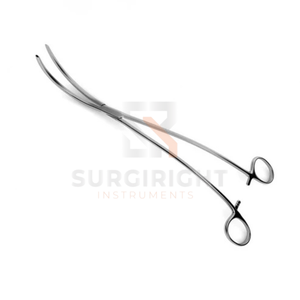
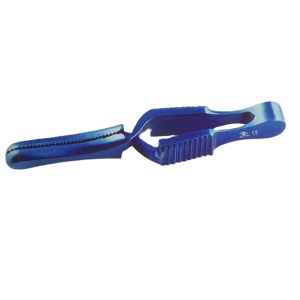
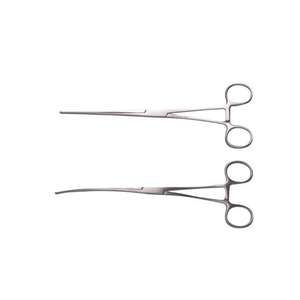
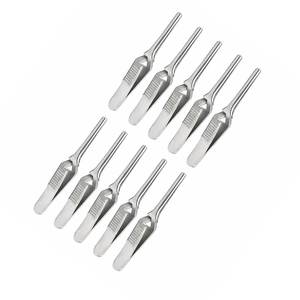
 Explore our primary export catalog featuring premium surgical-grade stainless steel instruments, vascular clamps, precision hemostats, and hospital holloware forged and finished to rigorous ISO 13485:2016 and CE Class I specifications.
A comprehensive analysis of metallurgical selection, deep-draw hydraulic press parameters, electropolishing surface passivation, and global regulatory compliance for medical-grade emesis basins.
In modern clinical operating theatres, Central Sterile Supply Departments (CSSD), and emergency departments, the humble Kidney Bowl (Emesis Basin) serves as a critical sterile interface for fluid collection, surgical tissue specimen retention, instrument transfer, and wound irrigation. Despite its ubiquitous presence, global healthcare procurement officers, group purchasing organizations (GPOs), and medical device importers face growing challenges regarding structural integrity, corrosion resistance, micro-crevice bacterial harborage, and repeated steam sterilization endurance.
When evaluating top manufacturing hubs in China and global export clusters, hospital procurement directors must look beyond superficial dimensions. Superior kidney bowl production relies on precise metallurgical formulations, seamless deep-drawing stamping technology, and controlled electrochemical surface passivation. This technical white paper examines the engineering parameters that distinguish high-performance stainless steel kidney trays from sub-standard holloware alternatives.
The primary failure mode of low-cost medical holloware is pitting corrosion and stress corrosion cracking resulting from repeated exposure to saline solution, blood proteins, harsh enzymatic detergents, and high-pressure steam autoclaving. High-grade medical holloware utilizes austenitic stainless steels, specifically AISI 304 (18/8 Chromium-Nickel) and AISI 316L (Low-Carbon Marine Grade).
Manufacturing seamless kidney bowls requires progressive hydraulic deep-drawing. Inferior manufacturers cut costs by reducing raw sheet metal gauge (below 0.4mm), leading to uneven wall thinning at the curved lateral radii, structural flexing, and sharp rim burrs. Professional surgical holloware specs dictate a nominal raw sheet thickness of 0.6mm to 1.0mm, maintaining structural rigidity under heavy liquid loads and thermal expansion cycles.
| Performance Metric | Standard Commercial Grade | S.S. Surgimed Premium Export Standard | Clinical Impact & Benefit |
|---|---|---|---|
| Steel Alloy Grade | AISI 201 / Recycled 304 Scrap | Certified Virgin AISI 304 / 316L | Zero rusting, high chloride pitting resistance |
| Wall Thickness (Gauge) | 0.35mm – 0.45mm (Flimsy) | 0.60mm – 1.00mm (Rigid) | Prevents buckling under full fluid capacity |
| Surface Finish (Roughness) | Mechanical Polish (Ra > 0.8 μm) | Electropolished Satin/Mirror (Ra < 0.4 μm) | Eliminates bio-film and bacterial adhesion points |
| Passivation Process | None or Simple Water Rinse | ASTM A967 Citric Acid Passivation | Builds self-healing Chromium Oxide ( Cr₂O ) layer |
| Sterilization Cycles | Warps after ~50 Autoclave cycles | Indefinite Autoclaving at 134°C / 2.1 bar | Extremely low Total Cost of Ownership (TCO) |
| Rim Construction | Unfinished Rolled Edge (Traps dirt) | Smooth Tapered Anti-Splash Rim | Prevents fluid splashing and enhances hygiene |
Strategic market analysis revealing shift dynamics towards sustainable healthcare supply chains, RFID-tracked holloware, and advanced CSSD automation integration.
European and North American hospital networks are implementing strict Scope 3 carbon emission targets. Replacing single-use polypropylene emesis basins with autoclavable AISI 304 stainless steel kidney bowls reduces biohazard landfill waste by over 82% over a 5-year operational lifecycle.
Under FDA UDI rules and EU MDR (EUDAMED) mandates, modern medical holloware requires high-contrast, fiber-laser etched 2D DataMatrix barcodes. This enables automated CSSD scanning, tracking autoclave cycle counts, and managing inventory rotative lifecycles efficiently.
Next-generation kidney bowl geometries feature optimized internal radii and nesting stackability. Designed for high-velocity robotic jet spray washing, eliminating water retention pockets during automated drying phases in hospital CSSD units.
Decades of precision manufacturing expertise from the world-renowned surgical manufacturing hub, combining state-of-the-art CNC machining, vacuum heat treatment, and stringent quality control.
At S.S. SURGIMED, we synthesize traditional artisanal craftsmanship with high-tech automated forging and CNC milling. Operating from our certified manufacturing facilities, we export comprehensive ranges of reusable and single-use surgical instruments, dental extractors, cardiovascular clamps, precision tweezers, and hospital holloware to over 35 global healthcare markets.
Our strict quality management system guarantees that every shipment of kidney bowls, instrument trays, artery forceps, and micro-clamps complies with demanding international regulatory standards:




Detailed technical and commercial answers from our engineering and international trade department.
We primarily use premium surgical-grade austenitic stainless steel AISI 304 (18/8) and AISI 316L for holloware, kidney bowls, and sterilisation trays. For cutting tools, tissue forceps, and hemostatic clamps, we utilize high-hardness martensitic alloys (AISI 410, 420, and 440). Every batch is accompanied by raw material mill test certificates.
For standard catalogue patterns, our trial minimum order quantity starts at just 10 pieces per item. Sample evaluation orders ship within 5 to 7 working days. Repeat bulk production orders generally ship within 15 to 25 working days depending on order volume and packaging specifications.
Yes, over 70% of our production is dedicated to OEM/ODM custom manufacturing. We offer high-precision fiber laser marking for your company logo, custom catalogue item codes, LOT batch numbers, and UDI DataMatrix codes. We also supply custom retail box printing, sterile pouch packaging, and custom tray layouts.
Absolutely. All reusable holloware and instruments undergo ultrasonic cleaning and citric passivation per ASTM A967 standards. They are fully guaranteed for repeated steam sterilisation at 134 °C (2.1 bar pressure) without discolouration, cracking, or surface pitting under normal hospital CSSD protocols.
With every shipment, we provide full regulatory dossiers including Declarations of Conformity (DoC), ISO 13485:2016 certificates, Certificate of Origin (COO), raw material analysis reports, and Free Sale Certificates (FSC) to ensure seamless customs clearance in the EU, USA, Middle East, and Latin America.
Connect directly with our engineering sales team to request technical specification sheets, volume pricing tiers, and custom branding samples.
Get Catalog