 Surgical · Dental · Precision Instruments Surgical · Dental · Precision Instruments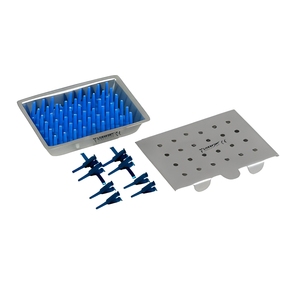
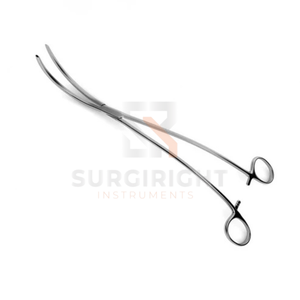
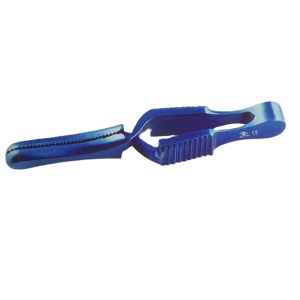
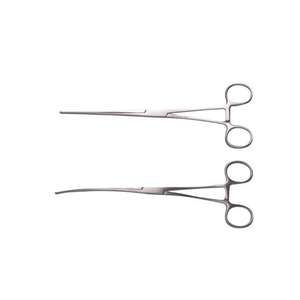
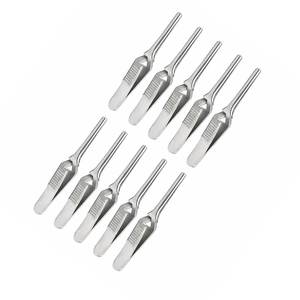
In modern operative dentistry and reconstructive micro-surgery, the structural integrity of restorative matrices and hemostatic clamps represents the line between clinical failure and procedural perfection. As dental restorative techniques transition overwhelmingly toward direct composite restorations in Class II cavities, achieving an anatomically precise proximal contact point without subgingival overhangs is a primary technical challenge for clinicians worldwide.
Dental matrix bands—manufactured from super-elastic surgical stainless steel, spring-tempered alloys, or titanium—function as temporary retaining walls. They re-establish the precise physiological curvature, marginal ridge height, and tight interproximal contact necessary to prevent food impaction, periodontal inflammation, and secondary caries. Simultaneously, in general and micro-vascular surgery, delicate clamping devices such as DeBakey Bulldog clips and micro-vascular clamps mandate non-traumatic occlusion pressures to preserve endothelial layers while preventing intraoperative hemorrhaging.
For B2B procurement managers, hospital tenders, and dental brand distributors, evaluating a matrix band supplier requires understanding the exact metallurgical and mechanical specifications driving clinical outcome:
As a premier China Matrix Bands Manufacturer and Surgical Instrument Supplier, our manufacturing framework is built on an uncompromising commitment to German and Japanese surgical-grade raw materials. Our facilities utilize strictly controlled heat-treatment protocols and fully documented quality management systems certified under ISO 13485:2016 and ISO 9001.
We source high-purity AISI 410, 420, 440 martensitic stainless steels for cutting/clamping instruments and AISI 304/316 austenitic steels for non-cutting band devices. Every heat batch includes complete mill test certifications.
State-of-the-art computer-controlled vacuum furnaces prevent surface oxidation, achieving uniform Rockwell C hardness (HRC 48-52 for clamps, HRC 54+ for spring-tempered bands) to resist stress fatigue.
Automated ultrasonic degreasing followed by citric acid passivation per ASTM A967 generates a dense, corrosion-resistant chromium-oxide passive film capable of enduring over 1,000 autoclave cycles.
Every matrix band set, Kelly hemostat, and vascular clamp shipped from our production lines undergoes stringent AQL (Acceptable Quality Limit) sampling and 100% critical feature inspection. Using high-resolution optical comparators, laser micrometer gauges, and mechanical tensile test beds, we verify:
| Inspection Dimension | Quality Standard / Methodology | Tolerance Threshold | Clinical Impact |
|---|---|---|---|
| Matrix Thickness | Laser Micrometer Calibration | ± 0.002 mm | Prevents proximal gap generation in composite restorations. |
| Hinge & Box-Lock Alignment | Micro-Optical Comparators | Zero Lateral Play (< 0.01mm) | Ensures smooth, slip-free jaw engagement during surgery. |
| Corrosion Resistance | Boil Test & Copper Sulfate Spray (ISO 7153-1) | Zero Pitting / Zero Rust | Guarantees long autoclave shelf-life in hospital CSSD. |
| Clamping Force / Occlusion | Digital Torque & Force Transducers | Atraumatic Calibration (1.2N - 2.5N) | Protects delicate vascular walls during clamping procedures. |
The global market for dental restorative matrix systems and surgical instruments is undergoing rapid technological and regulatory shifts. Procurement directors, medical device brand owners, and healthcare importers must align their supply chains with the following macro-trends to remain competitive:
Traditional stainless steel matrix bands are increasingly giving way to specialized Titanium Nickel (NiTi) shape-memory alloys and non-stick PTFE (Teflon) coated surfaces. Non-stick coatings prevent modern dental bonding agents and packable composites from adhering to the band during light-curing, reducing composite pull-away risk and eliminating marginal fractures.
With the full enforcement of the European Union Medical Device Regulation (EU MDR 2017/745), importers must ensure every Class I and Class II device carries Unique Device Identification (UDI) laser marking. Our production line integrates high-precision fiber laser markers to etch GS1-compliant Data Matrix codes directly onto instrument shanks and matrix band tabs.
B2B buyers are migrating away from purchasing standalone matrix bands toward acquiring full procedural solutions—combining pre-contoured matrix bands, nickel-titanium clamping rings, anatomical silicone wedges, and specialized placement forceps in standardized, autoclavable organizer trays.
To combat rising regional distribution costs, global dental brands and hospital chains are establishing direct OEM/ODM partnerships with Chinese manufacturers. By specifying proprietary band geometries, custom laser etching, and tailored retail blister packs, distributors maintain high gross margins while guaranteeing clinical quality.
Below is the engineering data matrix for our main production lines, designed to assist technical procurement teams, regulatory officers, and clinical buyers in specifying exact instrument requirements:
| Product Category | Material Grade | Hardness (HRC / HV) | Available Specifications | Key Features & Indications |
|---|---|---|---|---|
| Sectional Matrix Bands | AISI 304 / Titanium Alloy | Hard Rolled (450-500 HV) | 0.030mm / 0.038mm / 0.050mm Thickness; Small, Medium, Large, Subgingival | 3D pre-contoured, micro-burnishable, non-stick PTFE option, micro-tab extension for fast placement. |
| Tofflemire Matrix Bands | Medical Stainless Steel AISI 301/304 | Spring Temper (HRC 48-52) | Adult #1, Pedodontic #2, Subgingival #3, Contour #13; Plain or Micro-Thin | Smooth polished edges, chemical passivation, universal retainer compatibility. |
| Micro Vascular Clamps | German AISI 420 / 440 Steel | HRC 50 - 54 | Straight / Curved, 0.5mm to 2.5mm Tip Size, Integrated Lock or Tension Spring | Neurosurgery and plastic surgery atraumatic vascular clamping; certified non-glare satin finish. |
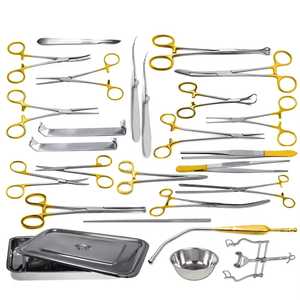
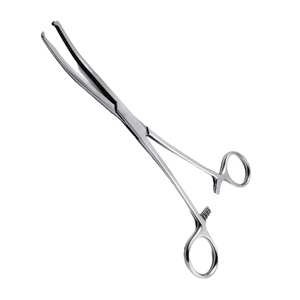
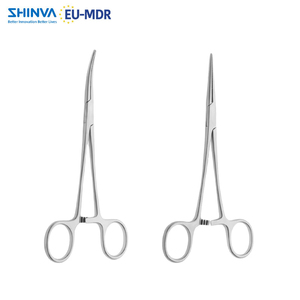
| Kelly & Hemostatic Forceps | Surgical AISI 410 / 420 Steel | HRC 48 - 52 | 14cm, 16cm, 18cm; Straight & Curved Jaw, Serrated Serrations | Box-lock hinge mechanism, multi-stage ratchet lock for variable tissue tension. |
| DeBakey Bulldog Clips | German Stainless Steel AISI 420 | HRC 50 - 52 | 3 Inch (75mm) / Custom Lengths; Straight & Curved Jaw | Atraumatic DeBakey teeth pattern preventing vessel trauma during cardiovascular surgery. |
Direct technical answers from our engineering and export departments addressing common sourcing inquiries:
China's advanced medical manufacturing clusters combine high-precision automated stamping, CNC milling, and vacuum heat treatment with optimized labor efficiency. Our factory utilizes certified German and Japanese stainless steel alloys, offering identical micro-thickness tolerances (±0.002mm), high tensile strength, and ISO 13485 compliance at 30% to 50% lower unit costs, drastically enhancing distributor margins.
We select raw materials based on mechanical functional demands. For matrix bands requiring high elasticity and memory retention without cracking, we use high-grade AISI 301 and AISI 304 full-hard stainless steel or titanium alloys. For surgical clamps, hemostats, and scissors requiring high hardness, wear resistance, and sharp serrations, we forge from martensitic AISI 410, 420, and 440 stainless steel.
Yes. We provide complete OEM/ODM manufacturing programs. We can etch your brand logo, catalog reference number, LOT code, and GS1 UDI Data Matrix directly onto instruments using precision fiber lasers. Customized packaging options include autoclavable plastic cassettes, sterile blister pouches, branded paper boxes, and complete matrix kit organizer boxes tailored to your brand artwork.
Our quality system operates under strict ISO 13485:2016 and ISO 9001 audits. All Class I surgical instruments and matrix systems are CE marked, backed by EU Authorized Representative (EC REP) agreements and EUDAMED registration. With every commercial shipment, we provide Certificate of Analysis (CoA), Material Mill Test Reports, Passivation Test Certificates (ASTM A967), and Declarations of Conformity.
For standard catalog matrix bands and surgical clamps, trial order MOQs start as low as 10 to 50 sets per pattern. Repeat bulk production orders typically ship within 15 to 25 business days. New custom OEM patterns requiring custom die stamping or CNC tooling require 4 to 6 weeks, including first-article sample approval.
Yes. All our stainless steel surgical clamps, vascular hemostats, and reusable matrix ring systems undergo automated electrochemical passivation, forming a stable chromium oxide layer. They are fully resistant to standard steam autoclave sterilization cycles at 134 °C (273 °F) and 2.1 bar pressure for a minimum of 1,000 thermal cycles without rusting or tarnishing when properly maintained.
Ultra-thin 30-micron matrix bands are packed in rigid plastic storage shells or custom-molded polypropylene trays before primary outer carton packaging. This prevents physical bending, edge crimping, or humidity degradation during international sea and air freight.