 Surgical · Dental · Precision Instruments Surgical · Dental · Precision Instruments
 Engineered from German-standard stainless steel and anodized titanium alloys. Rigorously validated for high-pressure steam autoclaving and automated washing protocols.
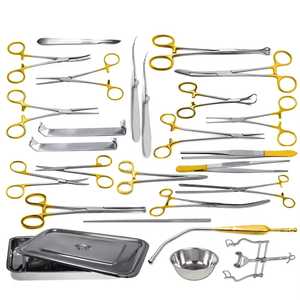
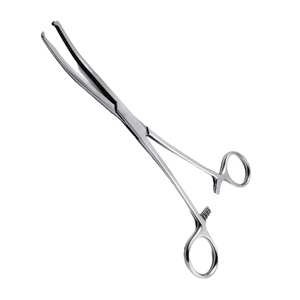
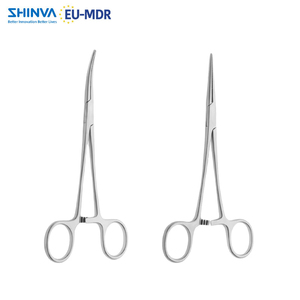
In modern hospital surgical suites and hospital Central Sterile Supply Departments (CSSD), the integrity of sterilization trays and rigid container systems forms the first line of defense against Surgical Site Infections (SSIs) and cross-contamination. As global medical device regulations transition toward stricter standards—such as the European Union Medical Device Regulation (EU MDR 2017/745), US FDA Unique Device Identification (UDI) mandates, and ISO 11607-1/2 packaging system requirements—healthcare providers and medical distributors are radically updating their sterilization procurement protocols.
Leading Chinese original equipment manufacturers (OEMs) and exporters have transformed the global market by integrating advanced metallurgical engineering, robotic laser welding, automated wire-forming, and high-precision anodization. Modern sterilization trays are no longer simple wire mesh baskets; they are micro-engineered closed-loop protective ecosystems. Designed with dynamic filter retention systems, silicone positioning brackets, and micro-perforated airflow pathways, these container systems ensure rapid steam penetration, zero condensate accumulation, and complete bio-barrier security during transport and storage.
A primary failure mode in sterile processing is "wet packs"—condensate remaining inside trays post-autoclave cycle. Advanced Chinese manufacturers resolve this by engineering sloped aluminum tray bottoms combined with hydrophobic PTFE (Polytetrafluoroethylene) permanent valve filters. This spatial geometry leverages vapor thermal dynamics, facilitating rapid condensate evacuation and reducing sterilization drying cycles by up to 35% compared to traditional wrapped stainless steel wire baskets.
Hospitals are systematically eliminating single-use sterilization wrap due to recurring puncture risks, environmental waste, and ongoing recurring expenditure. Rigid aluminum and stainless steel containers offer a 10-year operational life, guaranteeing a verified ROI within 18 months of deployment in high-volume operating theaters.
Regulatory bodies now mandate full traceability from CSSD wash units to patient surgical tables. Next-generation sterilization trays feature laser-engraved 2D Data Matrix codes and embedded heat-resistant RFID chips capable of enduring over 2,000 steam sterilization cycles at 134°C without data corruption.
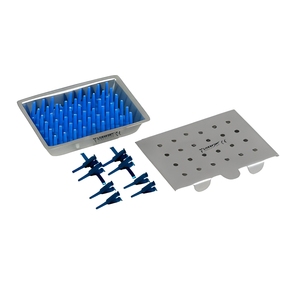
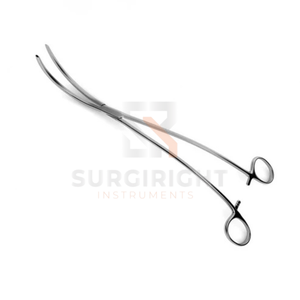
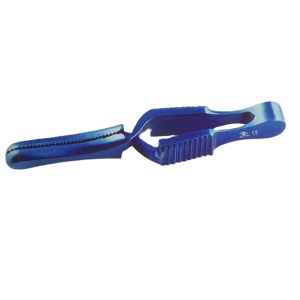
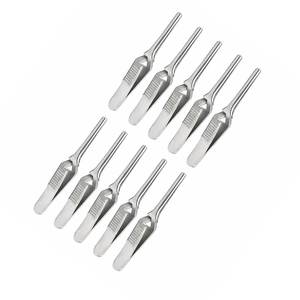
Complex surgical sets—such as neurosurgical micro-clamps, ophthalmic bulldog forceps, and orthopedic rongeurs—require custom internal architecture. Future procurement centers on modular silicone pin mats and polyetheretherketone (PEEK) holder brackets that prevent tip-to-tip contact, preserving edge sharpness and tip alignment.
With the rise of delicate endoscopes and robotic surgical tools, sterilization containers must seamlessly support low-temperature Hydrogen Peroxide Gas Plasma (e.g., STERRAD® systems) alongside standard gravity and pre-vacuum steam autoclaves without surface oxidation or seal degradation.
Global hospital logistics rely on standard modular sizes (Full DIN 1/1, Half DIN 1/2, Quarter DIN 1/4). Chinese manufacturers lead in producing standardized containers compatible with automated washer-disinfectors and sterile storage rack systems manufactured by Belimed, Getinge, and Miele.
Modern tray design prioritizes staff safety and quick verification. Single-step quick-release side latches with color-coded safety locks allow operating room nurses to verify sterile barrier integrity instantly prior to tray opening.
The manufacturing process for high-grade medical sterilization trays combines advanced mechanical metallurgy with rigorous chemical surface treatment. Leading OEM/ODM suppliers in China employ specialized material processing techniques to guarantee long-term resistance against chemical corrosion, mechanical wear, and micro-crack formation.
| Tray / Container Category | Material Specification | Surface Treatment | Sterilization Method | Primary Clinical Application |
|---|---|---|---|---|
| Rigid Filtered Container Systems | Anodized Aluminum Alloy (5000/6000 Series Body) + AISI 304 Lid | Hard-Coated Anodization (25–30 microns thickness) | Steam Autoclave (134°C), EtO, Gas Plasma | General Surgery, Orthopedic Power Tool Kits, Laparoscopic Sets |
| Perforated Fine Mesh Baskets | AISI 316L Stainless Steel Wire Mesh (Wire Diameter 1.0–1.5mm) | Electropolished & Citric Acid Passivated (ASTM A967) | High-Pressure Steam, Dry Heat, Ultrasonic Cleaners | Small Hemostatic Forceps, General Clamps, Surgical Scissors |
| Micro-Surgical Cassette Trays | AISI 304 Steel Base + High-Temp Medical Silicone Inserts | Satin Matte Anti-Glare Finish | Autoclave 134°C, Chemical Vapor Sterilization | Ophthalmic Bulldog Clips, Neurosurgical Micro Clamps, Dental Kits |
| Dental Instrument Lock Cassettes | High-Grade Stainless Steel & Heat-Resistant Polypropylene | Electrochemical Polishing | Steam Autoclave, Washer-Disinfector Compatible | Extraction Forceps, Periodontal Probes, Composite Instruments |
To eliminate surface degradation caused by alkaline ultrasonic detergents and chloride ion attack, premium sterilization tray manufacturers utilize electrochemical polishing alongside citric acid passivation in compliance with ASTM A967 and ISO 16061 standards. This process strips free iron particles from the alloy surface, forming a dense, self-healing Chromium Oxide ($Cr_2O_3$) passive layer.
With decades of specialized precision forging, stamping, and metal fabrication experience, our modern manufacturing facilities deliver comprehensive OEM and ODM solutions to healthcare distributors, surgical brand owners, and hospital networks across Europe, North America, the Middle East, and Asia-Pacific.
Every batch of raw stainless steel and aluminum alloy is procured with EN 10204 3.1 mill test certificates. Material chemical composition is verified via optical emission spectrometry prior to forging and press-forming operations.
Our automated CNC toolrooms precision-machine tray latches, filter retention rings, and silicone bracket beds to sub-millimeter tolerances. In-house computer-controlled vacuum heat treatment delivers optimal tensile strength and structural rigidity.
Our Quality Management System (QMS) is independently audited and certified to ISO 13485:2016 and ISO 9001. All products maintain full CE marking compliance, EUDAMED registration, and complete technical files for global customs and regulatory approval.
We offer end-to-end custom branding services, including deep-fiber laser marking of distributor logos, custom catalog reference numbers, LOT codes, and 2D Data Matrix barcodes formatted to FDA UDI standards.
Our engineering team designs custom silicone holding mats and instrument retention brackets mapped precisely to your custom surgical sets, preventing tool collision and optimizing CSSD packing efficiency.
Every container and instrument tray undergoes 100% manual and automated inspection for burr-free edges, latch locking force, gasket air-tightness, dynamic filter seating, and steam evacuation efficiency before final export packaging.
We primarily utilize premium AISI 316L (1.4404) and AISI 304 (1.4301) surgical grade stainless steel for wire mesh baskets and cassette bodies. For cutting edges and clamp sets inside the trays, high-grade martensitic stainless steels (AISI 410/420/440) are selected for maximum hardness and edge retention after heat treatment.
Yes. Our rigid container systems and mesh trays are fully engineered and validated for high-pressure saturated steam autoclaving at 134°C (2.1 bar pressure) according to ISO 17665 guidelines. Furthermore, our anodized aluminum lids and PTFE filter systems are compatible with Ethylene Oxide (EtO) and Hydrogen Peroxide Gas Plasma (STERRAD®) low-temperature sterilization cycles.
Absolute transparency is guaranteed. With every order, we supply ISO 13485:2016 certificates, ISO 9001 quality documentation, CE Declarations of Conformity, Material Mill Certificates (EN 10204 3.1), Steam Sterilization Validation Reports, and Citric Passivation Test Certificates compliant with ASTM A967.
For standard DIN-sized catalogue trays and wire baskets, our minimum trial order quantity starts at 10 to 25 units. For custom OEM/ODM container development (requiring custom tooling or silicone mold creation), sample development requires 3 to 4 weeks, with bulk production shipments completed within 20 to 30 working days.
Our containers incorporate engineered bottom-sloped ventilation channels and high-porosity hydrophobic PTFE dynamic filters. During the vacuum drying stage of the autoclave cycle, steam condensate drains rapidly toward peripheral drainage zones, preventing moisture re-absorption and ensuring bone-dry sterile packs upon cycle completion.
Yes. We provide complete private-label manufacturing programs. This includes high-resolution laser marking of your brand logo, custom catalog part numbers, UDI barcodes, customized silicone mat colors, individual sterile-barrier pouching, and custom export carton packaging.
Partner with China's leading manufacturer of certified sterilization trays, rigid container systems, and precision surgical instrument sets. Contact our engineering team for instant OEM quotes, technical specifications, and factory catalogs.
Get Catalog