 Surgical · Dental · Precision Instruments Surgical · Dental · Precision Instruments
 Forged from vacuum heat-treated surgical stainless steel with computer-cut micro-serration teeth and ergonomic balance.
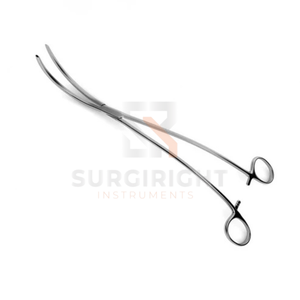
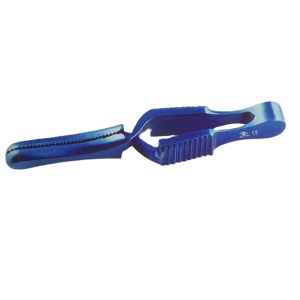
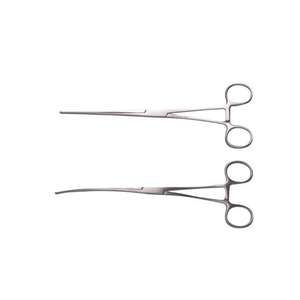
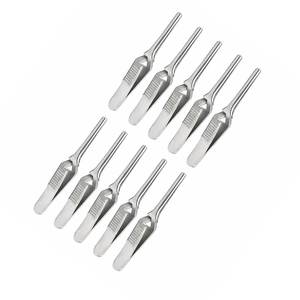
As a premiere China thinning shears manufacturer & exporter, our production architecture is built upon high-precision metallurgical engineering. Thinning shears—whether utilized in advanced micro-surgical dissection, specialized grooming, or professional hairdressing—demand a delicate equilibrium between extreme hardness, razor-sharp edge retention, and corrosion resistance. Achieving this balance requires strict control over alloy composition and thermal processing.
We source certified martensitic surgical-grade stainless steel bars, including German AISI 420, Japanese 440C, and VG-10 cobalt-enriched alloys. Martensitic stainless steels are selected for their carbon-to-chromium ratio, enabling high Rockwell hardness (HRC 58–62) post vacuum heat treatment without sacrificing structural ductility.
Information Gain Insight: Standard cheap scissors rely on air-cooled induction hardening, leading to micro-fractures along the tooth notches. Our factory utilizes a triple-stage vacuum furnace hardening paired with sub-zero cryogenic stabilization at -180°C. This transforms retained austenite into tempered martensite, yielding 35% higher wear resistance and preventing tooth misalignment during high-cycle usage.
Utilizing high-purity AISI 440C and VG-10 steel featuring vanadium and molybdenum additives to minimize intergranular corrosion and preserve edge sharpness over 100,000 continuous cuts.
Sub-zero deep-freeze liquid nitrogen treatment alters micro-structural grain alignment, virtually eliminating stress points along delicate V-teeth and convex cutting bevels.
Ultrasound-assisted citric passivation strips free iron from the surface, forming an impenetrable, self-healing chromium oxide layer compliant with ISO 13485 CSSD autoclaving standards.
Precision thinning shears require meticulous tooth pitch geometry. The number of teeth, notch shape, and cut ratio determine hair or tissue removal efficiency without pulling or pinching. The table below outlines our standardized manufacturing benchmarks for global B2B procurement partners:
| Specification Parameter | Standard Fine Thinning | Texturizing & Chunking | Surgical Micro-Thinning |
|---|---|---|---|
| Tooth Count Range | 26 to 40 Teeth | 14 to 24 Teeth | 30 to 50 Micro-Serrations |
| Thinning / Removal Ratio | 15% – 25% Removal | 35% – 50% Removal | Controlled Atraumatic Tension |
| Steel Grade Options | Japanese 440C / VG-10 | AISI 420 Martensitic Steel | German AISI 316L / 410 |
| Rockwell Hardness (HRC) | 59 – 61 HRC | 56 – 58 HRC | 58 – 62 HRC |
| Blade Edge Profile | Convex Razor Edge | Beveled Cut Edge | Atraumatic Serrated Jaw |
| Pivot Tension System | Ball Bearing Click Screw | Flat Screw Washer | Zero-Backlash Lock Nut |
| Autoclave Sterilization | Dry Heat & Chemical Solvent | Standard Chemical Clean | Steam Autoclavable at 134°C |
The global market for high-precision cutting instruments and thinning shears is undergoing a technological transformation driven by automated CNC manufacturing, ergonomic requirements, and advanced surface coating applications. Importers, OEM brand owners, and hospital purchasing agencies must evaluate several critical trends when sourcing from China:
Demand for Physical Vapor Deposition (PVD) finishes—including Diamond-Like Carbon (DLC), Rose Gold, and Matte Black Titanium Nitride—has increased by 45%. These coatings add surface hardness up to 80 HRC, drastically reducing friction and prolonging blade life.
Modern buyers reject traditional symmetrical handles in favor of 3D crane handles, twisted thumb rings, and anatomically sculpted finger rests. These designs minimize repetitive strain injuries (RSI) and Carpal Tunnel Syndrome for long-shift operators.
International regulatory frameworks (such as FDA UDI and EU EUDAMED) mandate high-resolution fiber laser marking on every instrument shank. Unique QR and Matrix barcodes ensure batch tracking from raw steel mill to end consumer.
As a forward-looking China thinning shears exporter, our R&D center is pioneering cutting-edge manufacturing techniques that combine traditional hand craftsmanship with AI-guided 5-axis CNC machining:
A. Computer-Optimized V-Teeth Milling: Traditional wire EDM tooth cutting can leave micro-burrs that tug on delicate fibers or hair. Our next-generation high-speed CNC tooth milling yields perfectly smooth V-notch apexes, eliminating pull friction.
B. Magnetic & Ceramic Ball-Bearing Pivots: Replacing plastic friction washers with sealed ceramic ball bearing assemblies reduces pivot drag by 70%, offering smooth, effortless closing tension requiring no frequent oiling.
C. Sustainable Manufacturing & Closed-Loop Metallurgy: In compliance with global carbon reduction targets, our forging facilities recycle 98% of stainless steel swarf and scrap, while replacing toxic chemical polishing with eco-friendly electro-polishing systems.
Chemical spectrum verification of raw steel bars before drop-forging.
Grain structure alignment under high-tonnage precision dies.
Precision cutting of teeth, screw seats, and handle contours.
Achieving consistent 58-62 HRC hardness without surface decarbonization.
Artisanal alignment of ride lines, convex edges, and tooth points.
Citric bath treatment to enhance corrosion resistance and surface shine.
High-contrast branding, catalogue reference, and LOT number etching.
100% optical comparator verification and paper-cut tension testing.
Partnering directly with an established manufacturer offers crucial advantages in cost efficiency, supply chain stability, and strict quality control. Our integrated manufacturing eco-system provides complete support for international importers, distributor networks, and private label brand owners:
Operating under certified ISO 13485:2016 and ISO 9001 Quality Management Systems. Our Class I surgical instruments meet CE marking, EC REP representation, and EUDAMED database registration rules.
We provide full custom design prototyping, custom finger-ring insert colors, personalized leather pouches, display box packaging, and multi-lingual Instructions for Use (IFU) inserts.
Every reusable instrument is backed by our factory warranty covering manufacturing defects, material flaws, or premature corrosion under recommended sterilization conditions.
Direct responses from our engineering and export departments addressing common questions from international buyers:
For professional barber and hair thinning shears, Japanese 440C and VG-10 alloys are preferred for their ultra-high carbon content (up to 1.1%), allowing razor-sharp convex edges with 60–62 HRC hardness. For medical and surgical thinning clamps, German AISI 420 or 410 stainless steel is specified for its optimal balance of elasticity, rust resistance, and tolerance to steam autoclaving at 134°C.
For standard catalog patterns, our trial order MOQ starts at 10 to 50 pieces per model. Regular bulk production runs ship within 15 to 25 business days. Custom OEM patterns requiring dedicated forging dies or specific tooth geometry take 4 to 6 weeks, including sample approval.
Every pair of thinning shears undergoes a 100% optical comparator check at 50x magnification to ensure perfect alignment between the tooth notches and the opposing convex blade. Furthermore, our master technicians perform manual tension testing on synthetic fiber sheets and delicate silk threads before final packaging.
Yes, we operate high-precision fiber laser marking systems capable of applying custom logos, model numbers, LOT tracking codes, and 2D UDI data matrix barcodes directly onto the instrument shank without compromising corrosion resistance.
Each export order includes a Certificate of Analysis (CoA), Material Mill Certificate, Passivation & Sterilization Test Reports, Commercial Invoice, Packing List, and Certificate of Origin (Form A/CO). Declarations of Conformity and CE compliance files are available upon request.
V-teeth cut a precise percentage of hair/tissue per stroke and hold the material securely in place during the cut. W-teeth provide wider spacing for heavy texturizing without leaving sharp line cuts. Notch-less blades offer seamless, ultra-soft blending suitable for delicate artistic finishing work.