 Surgical · Dental · Precision Instruments Surgical · Dental · Precision Instruments
 Certified Class I & Class II surgical grade instruments engineered from vacuum heat-treated stainless steel with optional Tungsten Carbide (TC) jaw inserts for micro-surgical precision.
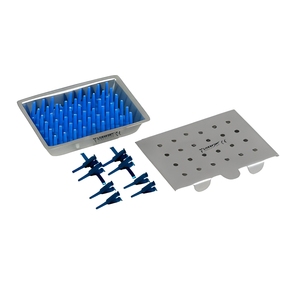
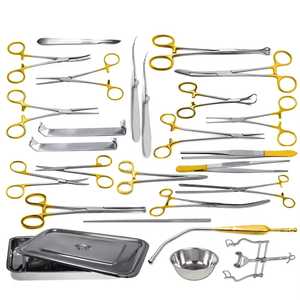
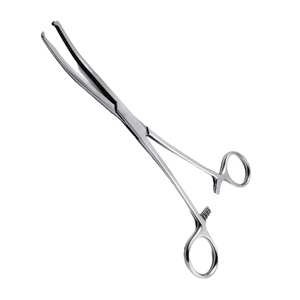
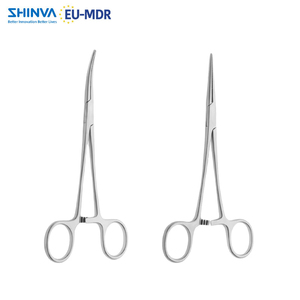
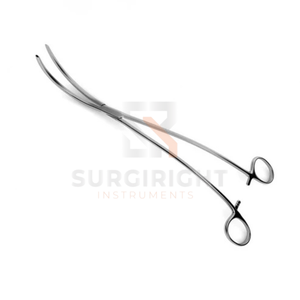
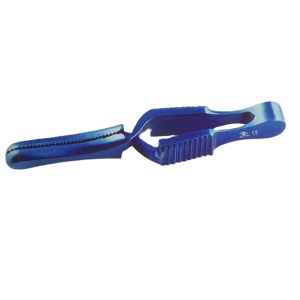
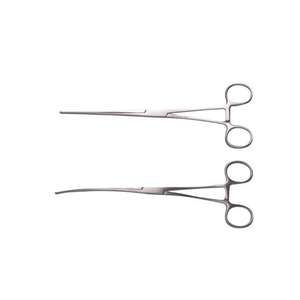
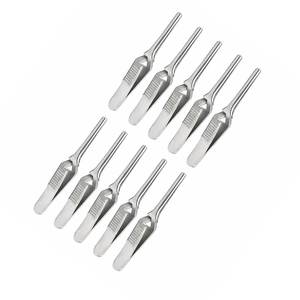
In modern operative surgery, the surgical needle holder (also known as a needle driver) represents a critical interface between the surgeon’s biomechanics and delicate anatomical tissue repair. Whether performing micro-vascular anastomoses, deep pelvic suturing, or plastic reconstructive closures, the integrity of the needle holder dictates clamping torque, rotational stability, suture placement accuracy, and operator hand fatigue. As a leading China wholesale needle holders manufacturer and custom OEM supplier, our manufacturing framework prioritizes material selection, precision box-lock alignment, and advanced jaw serration metallurgy under strict ISO 13485:2016 quality management systems.
Surgical needle holders are subjected to severe cyclic loads, repeated ultrasonic cleaning, and high-temperature steam sterilization (autoclaving up to 134°C). Standard commercial steel alloys fail under these conditions, exhibiting jaw rotation, ratchet wear, and pitting corrosion. To guarantee surgical certainty, our production facility utilizes certified medical-grade martensitic stainless steel alloys—primarily AISI 410, AISI 420J2, and AISI 440C (ASTM F899 compliance)—imported directly with heat-lot mill test certificates.
For high-frequency operating theaters and specialized surgical disciplines (Cardiovascular, Neurosurgery, Microsurgery), traditional stainless steel jaws suffer gradual indentation from ultra-hard suture needles. To extend functional life by up to 500%, we integrate high-density Tungsten Carbide (TC) inserts welded into the working jaws using automated silver-brazing or high-energy laser deposition technology.
TC inserts achieve a hardness rating of Rockwell C (HRC) 60 to 65, compared to HRC 42-48 for standard stainless steel. The jaw surfaces are ground with micro-pyramid serrations ranging from 0.2mm pitch (delicate micro-suturing) to 0.4mm pitch (heavy general surgery). Gold-plated ring handles signify our premium TC needle holder range, including Mathieu, Mayo-Hegar, Crile-Wood, Castroviejo, and Ryder patterns.
Procurement directors, hospital group purchasing organizations (GPOs), and medical device distributors require clear technical specifications to match surgeon preference profiles. Below is an overview of the core instrument architectures engineered in our manufacturing facility.
The global standard for general, abdominal, and OB/GYN surgery. Features heavy, rigid shanks, cross-hatched jaw serrations, and a multi-step ratchet lock mechanism. Available in lengths from 14cm to 30cm.
Engineered for ophthalmic, neurosurgical, and micro-vascular repairs. Utilizes a spring-action flat handle design with a delicate tip lock, accommodating needle sizes from 6-0 down to 11-0 without crushing wire shafts.
Mathieu drivers feature a palm-held squeeze ratchet design for rapid suturing speed. Olsen-Hegar variants integrate dual-function cutting scissor blades directly behind the holding jaw for single-operator efficiency.
To assist international medical device importers and regulatory officers, the table below outlines raw material grades, passivation protocols, and functional specifications across our needle holder and vascular clamp manufacturing spectrum.
| Parameter | Standard Stainless Steel Line | Premium TC Insert Line | Micro-Vascular Titanium Line |
|---|---|---|---|
| Material Alloy | AISI 410 / AISI 420J2 Martensitic | AISI 420 Body + YG8 TC Insert | Medical Grade 5 Titanium (Ti-6Al-4V) |
| Jaw Surface Hardness | HRC 44 – 48 | HRC 60 – 65 | HV 350 – 400 (Non-Magnetic) |
| Corrosion Resistance | Passivated (ASTM A967 Citric/Nitric) | Electro-polished & Passivated | Natural Oxide Layer (Pitting Immune) |
| Sterilization Threshold | 134°C Steam Autoclave (500+ Cycles) | 134°C Steam Autoclave (2000+ Cycles) | Autoclave, Gamma, ETO Compatible |
| Suture Size Compatibility | 1-0 to 4-0 Needles | 2-0 down to 10-0 Needles | 6-0 down to 11-0 Micro Needles |
| Regulatory Compliance | ISO 13485, CE Class I, FDA Registered | ISO 13485, CE Class I, EUDAMED UDI | ISO 13485, CE Mark, MDR 2017/745 |
The global market for surgical needle holders and vascular clamps is experiencing structural shifts driven by evolving healthcare economics, stringent regulatory mandates in Western jurisdictions, and technological advances in minimally invasive surgery. For wholesale importers and medical brand owners, understanding these trends is vital for maintaining competitive advantage.
Traditionally, surgical instrument manufacturing in South Asia and regional clusters relied heavily on manual forging and hand-filing. While skilled hand craftsmanship remains indispensable for final tip alignment and ratchet setting, major China surgical manufacturers have transitioned to 5-axis CNC machining, high-precision drop forging dies, and robotic wire EDM (Electrical Discharge Machining). This hybrid approach guarantees identical jaw profiles, consistent box lock tolerances, and scalable volume production without quality drift.
The implementation of the European Union Medical Device Regulation (EU MDR 2017/745) and US FDA UDI regulations requires every reusable instrument to carry a permanent, laser-etched 2D Data Matrix code containing Global Trade Item Numbers (GTIN) and Lot/Batch control data. Modern procurement strategy requires suppliers who can deliver fully traceable, UDI-compliant instruments with ready-to-file Technical Documentation, IFU inserts, and EUDAMED registration support.
Hospital Central Sterile Supply Departments (CSSD) are increasingly scrutinizing instrument longevity. Poorly passivated instruments develop surface iron contamination, leading to rust spots during steam sterilization cycles. Modern manufacturing incorporates ultrasonic chemical cleaning and eco-friendly citric acid passivation systems (in compliance with ASTM A967), creating a passive chromium oxide surface film that withstands harsh enzymatic detergents and repeated autoclaving.
Drawing on decades of surgical tool manufacturing expertise, our production process enforces strict gatekeeping at every phase of transformation from raw steel bars to sterile-barrier packaged finished goods.
Chemical analysis via spectrometer to verify Chromium, Carbon, Nickel, and Silicon percentages against ASTM F899 standards before forging release.
Die-forging under high-tonnage hammers aligns the metal grain structure along the stress axis of the instrument shanks for maximum tensile strength.
Computerized numerical control milling creates exact male-female joint steps, ensuring smooth scissor action without lateral play.
Computer-controlled vacuum furnace quenching and tempering stabilizes molecular grain structure to hit exact HRC hardness target specs.
Master artisans perform micro-filing, jaw serration alignment, and ratchet step tensioning for tactile feedback and smooth release.
Chemical passivation removes free iron particles; optical fiber lasers etch client logos, catalogue codes, LOT, and UDI data matrix markers.
Our facility operates strictly under ISO 13485:2016 and ISO 9001 quality management systems with official CE marking and EUDAMED registration.







Direct answers from our engineering and export compliance department regarding contract manufacturing, minimum order quantities, private labeling, and quality guarantees.
We forge surgical needle holders from certified martensitic stainless steel grades AISI 410 and AISI 420J2 for standard bodies, and AISI 440C for ultra-sharp cutting jaws. Non-cutting holloware and sterilizing trays are produced from austenitic AISI 304/316 steel. Every raw material shipment is accompanied by a mill test certificate confirming chemical composition and tensile properties.
Yes, over 70% of our production volume is OEM/private label for international brand owners. We offer high-resolution fiber laser marking for your brand logo, custom catalogue numbers, LOT numbers, and 2D UDI data matrix codes. Custom handle color coatings, titanium anodizing, and specialized packaging (pouch, blister, or boxed surgical sets) are fully supported.
Our quality management system is certified under ISO 13485:2016 and ISO 9001. All Class I and Class II reusable surgical instruments carry CE marking under European Medical Device Regulations. We provide Declarations of Conformity (DoC), Certificates of Free Sale (CFS), passivation test reports (ASTM A967), and complete technical file documentation for import registration.
For standard catalogue patterns, trial orders start from 10 pieces per reference number. Bulk production runs ship within 15 to 25 working days upon sample approval. For customized OEM patterns requiring new forging dies or custom machining fixtures, development and sampling take 4 to 6 weeks.
All reusable instruments undergo ultrasonic cleaning, electropolishing, and passivation to withstand repeated steam sterilization cycles at 134°C (273°F). Reusable models carry a lifetime functional guarantee against material defects and structural failure under normal surgical operating protocols.
Tungsten Carbide inserts offer an extreme surface hardness of HRC 60-65. This prevents suture needles from slipping or gouging the jaw teeth, significantly extending instrument lifespan, reducing repair costs, and ensuring positive needle control during delicate microsurgical procedures.
We supply instruments in anti-glare satin finish (standard for operating theater lighting), high-mirror polish, gold-plated ring handles (designating TC inserts), black ceramic coating (for laser surgery non-reflective requirements), and anodized titanium colors.
Every single instrument undergoes 100% manual and optical inspection. Technicians test hinge smoothness, verify jaw parallelism using feeler gauges under optical magnification, and validate ratchet holding force against calibrated tension standards prior to final packing.
Elevate your medical device brand with certified surgical precision, competitive OEM pricing, and complete regulatory export documentation. Contact our technical sales engineering team today.