 Surgical · Dental · Precision Instruments Surgical · Dental · Precision Instruments
 Explore our export-grade medical vascular instruments forged from German & Japanese AISI 420/440 stainless steel.
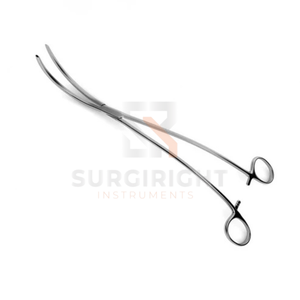
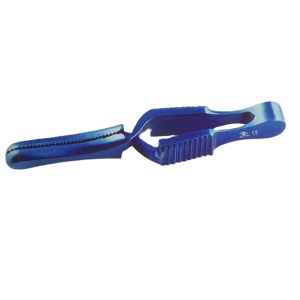
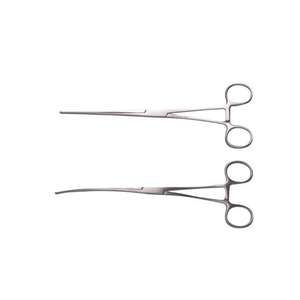
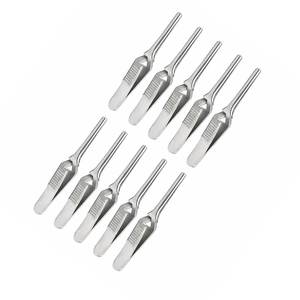
A authoritative whitepaper breakdown of alloy selections, occlusive pressure calibration, and tissue-sparing biomechanics.
Modern vascular surgery requires strict mechanical stability and minimal tissue disruption. When occluding delicate arterial structures—such as the carotid, femoral, or thoracic aorta—vascular clamps must apply sufficient clamping pressure to halt blood flow without inducing intimal shear stress, endothelial tearing, or permanent vessel wall stenosis. As a leading manufacturer and wholesale exporter of surgical instruments, our production processes combine traditional forging craftsmanship with vacuum metallurgy to exceed international surgical performance standard ISO 13485:2016.
The engineering challenge of manufacturing vascular clamps lies in balancing tensile yield strength, fatigue endurance limit, and passivated surface inertness. Stainless steel alloys undergo heat treatment cycles to prevent stress corrosion cracking (SCC) caused by exposure to saline solutions, proteinaceous fluids, and harsh steam autoclave cycles up to 134°C.
Selecting the optimal stainless steel or titanium grade is critical for B2B medical procurement officers and clinical distributors. Below is a comparative breakdown of key material specifications utilized in our vascular clamp manufacturing plant.
| Material Grade | Tensile Strength (MPa) | Rockwell Hardness | Corrosion Resistance (PREN) | Autoclave Life Expectancy | Primary Clinical Application |
|---|---|---|---|---|---|
| AISI 420J2 (German Stainless) | 750 - 950 | HRC 48 - 52 | 17.5 - 19.0 | > 2,500 Cycles | General Hemostats, Kelly Clamps, Box Locks |
| AISI 440C Premium Grade | 1,000 - 1,200 | HRC 54 - 58 | 20.0 - 22.0 | > 3,500 Cycles | Precision Micro-Vascular & Neurosurgical Scissors/Clamps |
| AISI 316L Austenitic Steel | 550 - 700 | HRB 85 - 95 | 23.0 - 25.0 | > 5,000 Cycles | Non-Magnetic Trays, Holloware, Structural Handles |
| Titanium Grade 5 (Ti-6Al-4V) | 900 - 1,050 | HRC 36 - 40 | Exceptional (Immune to Saline) | > 8,000 Cycles | Ultra-Lightweight Micro Bulldog Clamps & MRI Suite Use |
Understanding mechanical variance and jaw geometries across cardiothoracic, vascular, and micro-reconstructive procedures.
Designed with interlocking ribbing (1x2 or 2x3 longitudinal serrations), DeBakey clamps distribute pressure evenly across the arterial wall. This prevents point-source barotrauma, preserving the vessel's internal elastic lamina during coronary bypass and aortic reconstruction.
Bulldog clips utilize calibrated spring tension (ranging from 25g to 180g) for temporary localized occlusion. Available in straight, angled, and curved patterns, they allow quick positioning during peripheral micro-vascular anastomoses.
Featuring double-angled shanks, Satinsky clamps allow surgeons to isolate a partial segment of a major vessel (such as the vena cava) while maintaining continuous distal blood flow through the un-clamped lumen.
Built for pediatric and adult thoracic procedures, Glover clamps incorporate delicate curved shanks that fit snugly around deep-seated thoracic vessels without obstructing the surgical field of view.
Used primary for preliminary vascular clamping and medium vessel ligation. Featuring transverse serrations across the partial or full length of the jaw, securing rapid hemostasis during open abdominal operations.
For high-wear applications, tungsten carbide inserts are gold-plated and vacuum-brazed onto stainless steel shanks. This increases jaw hardness to HRC 60+, extending instrument life by 400%.
Why international healthcare brands, group purchasing organizations (GPOs), and medical device importers partner with our OEM manufacturing facility.
Our industrial production unit operates with end-to-end traceability. Raw stainless steel forging blanks undergo chemical composition verification via spectrographic analysis before forging. Every heat batch is accompanied by a mill test certificate confirming compliance with ASTM F899 standards for surgical instruments.
Key operational milestones in our manufacturing chain include:





Full technical documentation, Declarations of Conformity, and material test reports (MTR) are provided with all wholesale bulk orders.
Key market dynamics shaping vascular instrument manufacturing, regulatory compliance, and GPO sourcing strategy.
Hospitals are increasingly adopting hybrid surgical trays. High-wear items like vascular clamps remain premium reusable stainless steel, while complementary items transition to single-use sterile packs to lower CSSD processing expenses and combat hospital-acquired infections (HAIs).
Global medical regulations (FDA UDI & EU MDR 2017/745) require permanent 2D DataMatrix laser engraving on reusable instruments. Our factory integrates high-contrast fiber laser marking system capable of encoding GTIN, serial numbers, and production lot data directly onto vessel clamps without breaking the passivated oxide surface layer.
As minimally invasive robotic surgery expands, traditional vascular clamps are evolving. Ultra-compact bulldog clips designed for robotic arm deployment (with drop-in latch mechanisms) are experiencing a 25% year-over-year growth in global demand.
Direct technical and commercial answers from our engineering and international export teams.
We forge instruments from premium German and Japanese surgical-grade martensitic stainless steels, primarily AISI 420J2 and AISI 440C for clamping jaws and box locks, where high yield strength and Rockwell hardness (HRC 48-52) are required. For non-cutting handles, holloware, and sterilization trays, we utilize austenitic AISI 304 and 316L steel. Each raw material batch is verified with a mill test certificate.
Our DeBakey jaw profiles feature micro-milled longitudinal ribs (with a 1x2 or 2x3 interlocking design) rounded under optical magnification to eliminate sharp edges. The closing tension of each ratchet is micro-calibrated in our laboratory to ensure uniform pressure distribution across the vessel intima, preventing intimal hyperplasia or tearing.
Yes. As a direct wholesale manufacturer and exporter, we provide comprehensive OEM/Private Label services. This includes high-contrast fiber laser marking of client logos, customized catalog numbers, UDI 2D DataMatrix codes, custom color anodizing for titanium lines, custom sterile-barrier packaging, multi-lingual Instructions for Use (IFU), and custom box labeling.
Our quality management system is fully certified under ISO 13485:2016 and ISO 9001. All Class I surgical instruments carry the CE mark, backed by an appointed Authorized European Representative (EC REP) and EUDAMED registration. We supply Declarations of Conformity (DoC), Certificates of Origin, Material Test Certificates, and Free Sale Certificates with bulk exports.
For standard catalog instrument patterns, our minimum trial order quantity starts from 10 pieces per pattern. Standard repeat production runs ship within 15 to 25 working days. Custom OEM patterns or newly developed prototypes require approximately 4 to 6 weeks, including first article inspection (FAI) sample sign-off.
All reusable stainless steel vascular clamps manufactured by our factory carry a lifetime functional guarantee against material flaws, craftsmanship defects, or premature corrosion under normal operating, cleaning, and steam sterilization conditions compliant with ISO 17664 guidelines.
Expand your hospital supply catalog or private label medical brand with certified German-grade surgical clamps. Request a direct factory quotation, custom prototype, or comprehensive catalog today.