 Surgical · Dental · Precision Instruments Surgical · Dental · Precision Instruments
 ISO 13485:2016 Certified German Stainless Steel Surgical Clamps, Hemostats & Dental Instruments Engineered for Maximum Mechanical Resilience
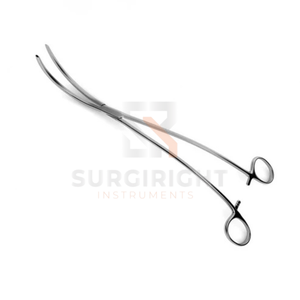
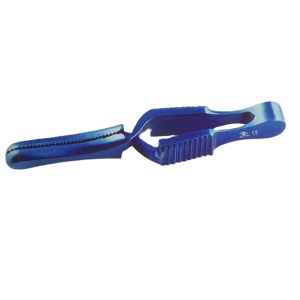
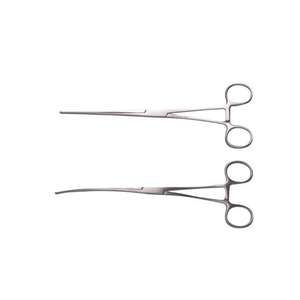
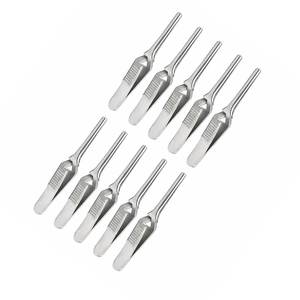
An authoritative technical breakdown for Group Purchasing Organizations (GPOs), medical device brand owners, and procurement directors on metallurgical selection, aspiration mechanics, and regulatory compliance under EU MDR & US FDA guidelines.
In modern dental anesthesia delivery, the structural integrity of the aspirating syringe directly impacts clinical safety and tactile control. Premier OEM manufacturing utilizes high-grade AISI 304 and AISI 316L austenitic stainless steels for Non-cutting syringe barrels and handles, combined with vacuum heat-treated AISI 420 martensitic steel for internal harpoon components and ratchets.
This dual-alloy strategy ensures high tensile strength capable of withstanding extreme mechanical torque during localized anesthesia administration, preventing flex deformation while guaranteeing total resistance to intergranular corrosion during harsh steam autoclaving cycles at 134 °C.
Aspirating syringes are essential for preventing inadvertent intravascular injection of local anesthetics. OEM customization options encompass both Manual Aspirating Syringes (featuring ergonomic triple-ring or C-W handles with sharp retentive harpoons) and Self-Aspirating Syringes (utilizing passive elasticity disk mechanism within the syringe barrel head).
Global sourcing requires absolute adherence to ISO 11498 and ISO 7885 international standards. OEM suppliers must manufacture hub threading to precise imperial and metric specifications:
• Imperial Threading (US standard): 7/32-40 UNC thread pitch for compatibility with standard plastic hub dental needles.
• Metric Threading (EU standard): M6 x 0.75 fine pitch threading designed for European metallic or disposable needle hubs.
Custom multi-thread adaptors and side-loading vs. breech-loading barrel architectures are engineered to client drawings.
Comprehensive quantitative comparison matrix for evaluating OEM manufacturing capabilities and compliance parameters.
| Specification Parameter | Standard OEM Configuration | Premium Surgical Grade (German Steel) | Compliance & Quality Standard |
|---|---|---|---|
| Raw Material Composition | AISI 304 Stainless Steel / Chrome Brass | AISI 410 / 420 / 316L Martensitic Steel | ASTM A276 / ISO 7153-1 Material Traceability |
| Cartridge Capacity | 1.8ml & 2.2ml Standard Anesthetic Cartridges | Universal Dual-Fit Cartridge Barrel (1.8ml / 2.2ml) | ISO 11498 Dental Cartridge Compatibility |
| Aspiration Type | Manual Harpoon / Passive Disk Aspiration | Dual-Hook Self-Aspirating & Spring-Loaded Action | ISO 7885 Dental Syringe Aspiration Test |
| Thread Fitting Options | EU Metric M6 x 0.75 / US 7/32-40 UNC Thread | Interchangeable Dual-Thread Adaptor Hub | ANSI/ADA Spec No. 34 / ISO 9626 Hub Fit |
| Sterilization Capability | Autoclavable up to 121 °C (20 Min) | Vacuum Autoclavable up to 134 °C (Repeated Cycles) | ISO 17665 Moist Heat Sterilization Ready |
| Surface Finishing | Bright Mirror Polish / Satin Matte | Electro-Polished Citric Passivated / Gold Titanium Coated | ASTM A967 Standard Chemical Passivation |
| UDI & Branding Marking | Standard Fiber Laser Marking | Deep Annealing Fiber Laser (UDI Data Matrix Code) | EU MDR 2017/745 & US FDA UDI Compliance |
Combining generations of artisan forging craftsmanship in Sialkot, Pakistan with advanced CNC machining and certified ISO 13485:2016 quality management systems.
We control every phase of manufacturing, from hot drop forging of certified stainless steel bars to high-precision 5-axis CNC milling of box locks, syringe barrels, serrations, and hinge ratchets. Grain flow alignment along the mechanical tension axis guarantees non-brittle structural endurance.
Hardening and tempering are executed in computer-controlled vacuum furnaces, followed by precise Rockwell hardness verification (HRC 42–48 for jaws and harpoons). Citric and nitric chemical passivation creates a resilient, passive chromium oxide surface layer that prevents pitting and corrosion in CSSD sterilizers.
We provide end-to-end custom OEM development, including customized thumb ring ergonomics, laser marking of brand logos, catalog reference numbers, batch numbers, and high-density UDI 2D Data Matrix codes compliant with EUDAMED and FDA GUDID registries.
Incoming raw material spectrum analysis, in-process dimensional gauging using optical comparators, and 100% functional inspection of needle engagement, aspiration vacuum pull, hinge smooth play, and ratchet alignment before sterile barrier pouching or boxed bulk packaging.
Our quality infrastructure is backed by ISO 13485:2016 and ISO 9001 certifications. Class I instruments feature CE Marking under EU MDR 2017/745, registered European Authorized Representative (EC REP) coverage, and complete EUDAMED registration to streamline customs clearance.
To accommodate growing distributors, trial orders start from as low as 10 pieces per pattern for catalog instruments. Dedicated R&D engineering team produces custom 3D prototypes and first article inspection samples within 10 to 14 business days.
Strategic insights for purchasing directors preparing for next-generation clinical requirements and supply chain evolution over the next 5 years.
Repetitive Strain Injuries (RSI) among dental professionals are driving rapid adoption of ultra-lightweight dental syringes. Future OEM procurement focuses on titanium alloy construction and composite hybrid handles that reduce instrument weight by up to 40% while preserving mechanical rigidity and complete steam sterilizability.
With stringent sharps injury prevention regulations (such as EU Directive 2010/32/EU and US OSHA Bloodborne Pathogens Standard), demand for OEM aspirating syringes with built-in protective needle recapping shields and single-hand sheath deployment mechanisms is accelerating rapidly across hospital networks.
Central Sterile Supply Departments (CSSD) are transitioning to automated inventory management and cycle tracking. Next-generation OEM syringes incorporate micro-laser etched Data Matrix codes and embedded sterilizable RFID tags to track autoclave cycles, usage lifespan, and preventive maintenance schedules automatically.
Major healthcare systems are increasingly mandating environmental sustainability metrics from medical suppliers. OEM manufacturers implementing zero-liquid discharge passivation, solar-assisted vacuum heat treatment, and recycled stainless steel packaging are gaining preferential status in institutional tenders.
Direct answers from our engineering, quality assurance, and international export teams regarding custom dental syringe procurement.
We forge instruments from certified German and Japanese surgical-grade martensitic stainless steels (such as AISI 410, 420, and 440) for functional load-bearing parts like harpoons, ratchets, and cutting jaws. Barrel bodies and handles utilize austenitic AISI 304 and 316L stainless steel for maximum corrosion protection. Each raw material batch arrives with mill test certificates verifying exact chemical composition.
We offer complete OEM customization including handle geometry (CW finger ring, T-handle, or 3-ring design), aspiration mechanism (manual harpoon, self-aspirating disk, spring-loaded), thread pitches (US 7/32-40 UNC or EU M6x0.75 metric), custom barrel window cutouts, laser branding, lot numbering, surface finishes (satin, mirror, black titanium coating), and custom retail packaging.
Our quality management system is certified to ISO 13485:2016 and ISO 9001. Our Class I surgical and dental instruments are CE marked under EU MDR 2017/745, supported by an appointed European Authorized Representative (EC REP) and registered in the EUDAMED database. Each export shipment includes Declarations of Conformity, Material Analysis Reports, Passivation Test Certificates, and Free Sale Certificates.
For standard catalog instrument patterns, trial orders start at 10 pieces per pattern. Repeat bulk production orders typically ship in 15 to 25 working days. New custom OEM patterns requiring dedicated forging dies or custom CNC programming take 4 to 6 weeks, which includes rapid prototype sampling and First Article Inspection (FAI) approval.
Yes, our reusable instruments undergo ultrasonic cleaning, electro-polishing, and chemical passivation to withstand thousands of steam sterilization autoclaving cycles at 134 °C. All reusable lines are backed by a lifetime functional guarantee against material defects and manufacturing flaws.
We maintain optical profile comparators and high-precision thread gauges conforming to ISO 11498 and ISO 7885. Every syringe barrel hub is checked against master needle hubs to verify smooth engagement, zero cross-threading, and leak-free fluid dynamics during positive anesthetic pressure.
Connect directly with our engineering and export managers to discuss custom specifications, OEM private labeling programs, volume discounts, and regulatory compliance files.