
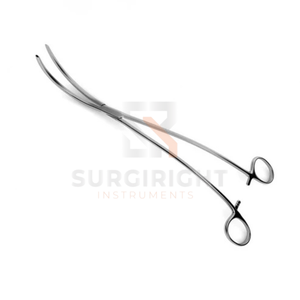
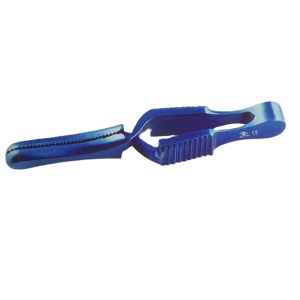
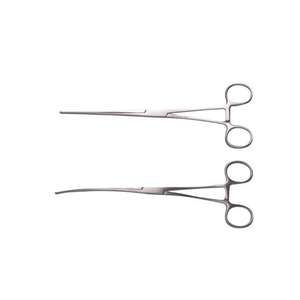
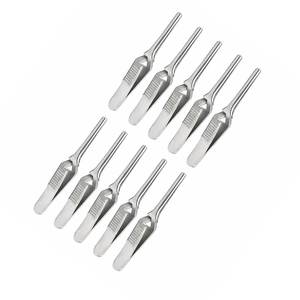
1. Executive Summary & Manufacturing Ecosystem in Sialkot
In contemporary global healthcare procurement, selecting an original equipment manufacturer (OEM) for surgical scalpels, handles, and precision surgical clamping instruments requires an exhaustive evaluation of metallurgical integrity, dimensional tolerance, regulatory compliance, and post-sterilization longevity. Surgical scalpels represent the fundamental primary interface in incisional procedures. Their blade geometry, sharpness retention, yield strength under lateral loads, and resistance to chemical passivation breakdown during autoclaving directly impact clinical outcomes, surgical speed, and tissue healing.
Operating within the world-renowned surgical instrument manufacturing hub of Sialkot, Pakistan, our enterprise—S.S. SURGIMED—combines traditional metal-smithing craft with state-of-the-art multi-axis CNC milling, automated grinding, laser micro-engraving, and computerized vacuum heat-treatment furnaces. This industry report serves as a comprehensive procurement guide for medical device brand owners, hospital Group Purchasing Organizations (GPOs), government health ministries, and regional medical distributors seeking high-capacity custom OEM surgical scalpels and general surgical instrumentation.
Core Manufacturing Philosophy: Every surgical scalpel, clamp, and tissue forceps produced under our OEM program undergoes strict traceability protocols—from raw mill heat-lot certification to final Unique Device Identification (UDI) laser etching and sterile barrier packaging.
2. Metallurgical Engineering & Material Selection Standards
The performance of custom surgical scalpels and hemostatic clamps relies heavily on the crystalline structure of the selected steel alloy. Unlike commercial cutlery, surgical cutting edges must balance high hardness (Rockwell C scale 50-56 HRC) to maintain sharp cutting bevels without experiencing brittle fractures during orthopedic or plastic surgery maneuvers.
Our factory utilizes certified raw materials sourced directly from premium German and Japanese steel mills. The primary metallurgical grades employed across our product catalog include:
- AISI 420 (Martensitic Stainless Steel): Containing 12-14% chromium and balanced carbon content, AISI 420 provides exceptional hardenability and high wear resistance, making it the industry benchmark for reusable scalpel handles, hemostatic Kelly clamps, and arterial clips.
- AISI 440C High-Carbon Martensitic Alloy: Specially reserved for ultra-sharp micro-vascular surgical scalpels, plastic surgery blades, and precision cutting tools. It reaches up to 58 HRC after cryogenic tempering, yielding extraordinary edge retention.
- AISI 316L & 304 (Austenitic Stainless Steel): Non-magnetic alloys utilized for specialized surgical holloware, sterile handling trays, and non-cutting components where maximum corrosion resistance against harsh enzymatic cleaners is imperative.
- Medical Grade Titanium (Ti-6Al-4V ELI): Utilized for specialized micro-vascular clips and non-magnetic ophthalmic scalpels, offering 45% weight reduction compared to steel and total MRI compatibility.
| Alloy / Material Grade | Hardness Range (HRC) | Primary Clinical Application | Corrosion Resistance | Sterilization Compatibility |
|---|---|---|---|---|
| AISI 420 German Steel | 50 – 54 HRC | Scalpel Handles, Hemostatic Clamps, Forceps | Very High (Passivated) | Autoclave 134°C, EtO, Gamma |
| AISI 440C High Carbon | 54 – 58 HRC | Micro-Scalpel Blades, Fine Cutters | High | Autoclave 134°C, Dry Heat |
| AISI 316L Stainless | Non-Hardenable (B80) | Surgical Trays, Holloware, Structural Handles | Maximum | Autoclave, Chemical Sterilants |
| Titanium Ti-6Al-4V | 36 – 40 HRC | Ophthalmic & Neurosurgical Instruments | Absolute (Immune to saline) | All Standard Methods |
3. Product Technical Development & Technology Trends
The global market for surgical scalpels and cutting instruments is undergoing rapid technological updates driven by surgical safety regulations, ergonomic advancements, and automated robotic surgery integration. Key technological trends currently shaping OEM manufacturing include:
Safety Scalpel Mechanisms
Implementation of single-handed retractable blade guards and push-button lock mechanisms that comply with OSHA Bloodborne Pathogens Standards, drastically reducing sharps injuries in high-pace operating rooms.
DLC & Titanium Coatings
Application of Diamond-Like Carbon (DLC) and Titanium Nitride (TiN) physical vapor deposition (PVD) coatings to scalpels, lowering surface friction, preventing glare under operating lights, and extending edge sharp life.
UDI & RFID Integration
Precision micro laser-etching of GS1-compliant 2D DataMatrix codes directly onto reusable handles and clamps, enabling seamless automated asset tracking across hospital Central Sterile Supply Departments (CSSD).
4. Global Healthcare Procurement Trends & Future Outlook
As hospital procurement teams navigate inflationary pressures and supply chain vulnerabilities, procurement strategies for surgical instruments are transitioning from fragmented localized buying to consolidated OEM partnerships. Key macro trends impacting global procurement include:
- Rise of Centralized OEM/ODM Private Labeling: Healthcare distributors in North America and Western Europe are increasing their reliance on certified contract manufacturers in Pakistan to build proprietary brand equity while retaining healthy gross margins.
- Regulatory Compliance Rigor (EU MDR 2017/745): Importers are shifting orders strictly toward suppliers with comprehensive technical documentation, EUDAMED registration, and valid ISO 13485 certification to prevent import hold-ups at EU customs borders.
- Shift Toward Hybrid Instrument Kits: High demand for procedure-specific custom kits (e.g., hernia repair sets, vascular clamp bundles, appendectomy packs) that combine single-use precision scalpels with durable, reusable surgical clamps.
- Sustainable Manufacturing & Green CSSD: Transitioning away from toxic chemical cleaning toward ultrasonic citric-acid passivation and recyclable sterile barrier packaging materials.
5. Enterprise Strengths & Quality Assurance Architecture
At S.S. SURGIMED, our factory infrastructure in Kacha Shahabpura, Sialkot, is engineered to meet the stringent demands of international healthcare regulators. By combining vertical integration with rigorous quality management system (QMS) audit protocols, we deliver consistent quality across high-volume procurement runs.
ISO 13485:2016 & ISO 9001
Fully certified Quality Management System governing raw material receipt, forging, heat treatment, polishing, cleaning, and final release testing.
CE Marking & EUDAMED
Class I & Class II surgical instruments are CE marked with designated European Authorized Representatives (EC REP) and active EUDAMED registration.
Vacuum Heat Treatment
Computer-controlled vacuum hardening ensures uniform grain structure, eliminating scale formation and protecting stainless steel against intergranular corrosion.
Our eight-stage manufacturing flow guarantees that every surgical scalpel handle, artery clamp, or vascular clip leaves our facility in flawless condition:
- Stage 1: Precision Die Forging — Hot forging of certified steel billets to establish correct grain flow along critical load axes.
- Stage 2: Computerized CNC Machining — Milling of box locks, serrations, blade fitment slots, and screw threads to micron tolerances.
- Stage 3: Hand Alignment & Setting — Skilled craftsmen adjust ratchet engagement, tip alignment, and joint tension for precise tactile feedback.
- Stage 4: Vacuum Hardening & Cryogenic Tempering — Reaching specified HRC hardness while minimizing internal mechanical stresses.
- Stage 5: Surface Finishing — Satin matte (anti-glare), mirror polish, or specialized black ceramic coatings.
- Stage 6: Ultrasonic Cleaning & Chemical Passivation — Citric acid immersion to generate a dense, protective chromium oxide passive surface layer.
- Stage 7: Laser Etching & UDI Marking — Etching customer logos, catalog numbers, lot numbers, and GS1 DataMatrix codes.
- Stage 8: Final Inspection & Packaging — 100% functional testing, visual inspection under optical comparators, and cleanroom packaging.
6. Frequently Asked B2B Procurement Questions (FAQ)
Below are technical answers to common questions raised by medical device buyers, regulatory managers, and hospital procurement officers: