 Surgical · Dental · Precision Instruments Surgical · Dental · Precision Instruments
 Explore our CE-certified, German-grade stainless steel instruments engineered for optimal tactile feedback, corrosion resistance, and autoclaving endurance.
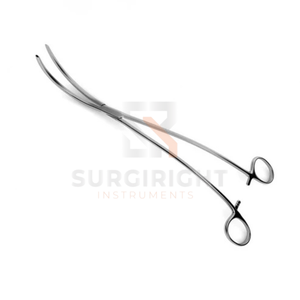
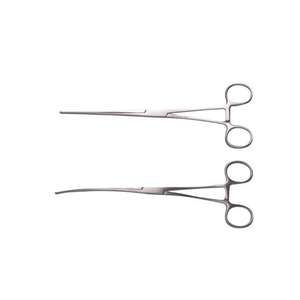
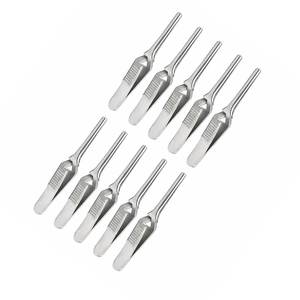
Dental excavators are fundamental hand instruments in operative dentistry, designed primarily for the tactile differentiation and mechanical removal of carious, softened dentin, as well as temporary restorative materials and calculus. In contract manufacturing (OEM/ODM), producing high-performance excavators demands strict metallurgical consistency, exact blade geometry adherence to Black’s instrument formula, and superior vacuum heat-treatment processes to prevent premature edge dulness, pitting, or shank fracture under repetitive force.
As global dental supply chains shift toward heightened compliance (EU MDR 2017/745, FDA 21 CFR 820) and ergonomic clinical interfaces, dental instrument procurement directors require complete visibility into structural alloy integrity, passivation depth, shank-to-blade alignment tolerances, and surface finishing protocols.
The operational efficiency of a double-ended spoon or discoid-cleoid excavator relies directly on the carbon-to-chromium ratio of the raw steel alloy. Unlike general hospital holloware, which leverages austenitic AISI 304 or 316 steel for high ductility and non-magnetic corrosion resistance, cutting and excavating hand instruments demand hardenable martensitic stainless steels.
| Material Grade | Composition (Cr / C / Fe) | Post-Heat Hardness (HRC) | Primary Dental Application | Corrosion Resistance |
|---|---|---|---|---|
| AISI 420A / 420B | 12-14% Cr, 0.15-0.35% C | 48 – 52 HRC | Standard Excavator Handles & Forceps Shanks | High (Passivated) |
| AISI 420C (German X30Cr13) | 13-15% Cr, 0.36-0.42% C | 52 – 55 HRC | High-Wear Spoon Excavators & Carvers | Excellent (Vacuum Treated) |
| AISI 440C High-Carbon | 16-18% Cr, 0.95-1.20% C | 56 – 60 HRC | Micro-Surgical Cutting Edges & Scalers | Superior Wear Resistance |
| Grade 5 Titanium (Ti-6Al-4V) | 90% Ti, 6% Al, 4% V | 36 – 40 HRC | Implant Maintenance Excavators (Non-Scratching) | Immunity to Corrosion |
For custom OEM/ODM manufacturing, AISI 420C (German Spec DIN 1.4028) represents the gold standard for excavating tips. When subjected to computer-controlled vacuum heat treatment followed by cryogenic stabilization, it achieves a Rockwell hardness of HRC 52–56. This micro-structural grain refinement ensures that the perimeter blade of the spoon tip retains sharp micro-serration-free cutting edges across hundreds of autoclave cycles (steam sterilization at 134°C / 273°F at 2.1 bar pressure).
Precision in restorative dentistry requires that the instrument tip remains centered with the long axis of the handle to eliminate rotational torque in the clinician's hand during spooning movements. OEM/ODM designs adhere strictly to G.V. Black’s historic classification system, defined by a three- or four-number formula etched into the handle stock during production:
By controlling CNC shank bending within a tolerance of ±0.05 mm, our manufacturing process eliminates lateral drag and wrist strain, granting clinicians high tactile feedback to distinguish between hard, sound dentin and soft, infected carious enamel.
Contract manufacturing is undergoing a paradigm shift driven by micro-restorative trends, advanced physical vapor deposition (PVD) coatings, and automated tactile ergonomics.
Transitioning from solid 6mm steel rods to 9.5mm and 11mm ultra-light hollow ergonomic handles dramatically reduces tactile fatigue during long endodontic and operative procedures while maintaining full autoclavability.
OEM/ODM options now incorporate ceramic TiN and Aluminum Titanium Nitride (AlTiN) surface coatings. These golden and dark-grey PVD layers increase surface hardness above 70 HRC and reduce composite stickiness during placement.
With the rise of minimally invasive dentistry (MID), micro-excavators featuring tip diameters as small as 0.6mm to 1.0mm are in high demand for precise caries clearance near sensitive pulp chambers under microscopic magnification.
Replacing traditional nitric acid passivation with eco-compliant citric acid chemical bath technology ensures complete removal of free iron particles from CNC grinding, eliminating micro-pitting and oxidation stains.
Integrated high-resolution fiber laser marking applies Permanent Unique Device Identification (UDI), GS1 DataMatrix codes, and custom distributor branding directly onto the handle body, surviving over 1,000 CSSD washing cycles.
Green manufacturing trends mandate 100% recycling of stainless steel turnings, closed-loop coolant filtration systems, and zero volatile organic compound (VOC) electro-polishing baths across our Sialkot manufacturing facilities.
The global market for dental hand instruments is expanding at an estimated CAGR of 5.8%, driven by rising dental tourism, expanding public healthcare initiatives in emerging economies, and the rapid growth of chain Dental Service Organizations (DSOs). For procurement managers and brand owners, navigating this evolving landscape requires strategic foresight into three dominant procurement trends:
Major healthcare distributors are moving away from multi-tiered supply chains in favor of direct contract partnerships with integrated original equipment manufacturers. Working directly with facilities that possess in-house forging, heat treatment, CNC milling, and passivation eliminates intermediary markups and guarantees batch-to-batch structural consistency.
Regulatory scrutiny has escalated globally. Procurement contracts now mandate complete technical dossiers accompanying every bulk order. Importers require:
Standard polybag packaging is being rapidly superseded by sterile-ready pouching, custom color-coded silicone handle rings, and retail-ready blister packaging equipped with tamper-evident seals and custom multilingual Instructions for Use (IFUs).
Operating from the world-renowned instrument manufacturing cluster of Sialkot, Pakistan, S.S. Surgimed combines generations of artisanal craftsmanship with modern CNC technology.
From raw hot forging to CNC tip milling, vacuum hardening, manual alignment, electro-polishing, and laser marking—every step occurs under one certified quality management system.
Our facilities undergo strict third-party audits to guarantee strict compliance with quality systems required by European, American, Asian, and Middle Eastern regulatory authorities.
We stand behind our craftsmanship. All reusable surgical and dental instruments carry a lifetime warranty against material defects and structural breakage under normal clinical usage.
Clear, technical responses to assist procurement directors, brand managers, and medical device importers.
Dental excavators require hardenable martensitic stainless steel (such as AISI 420C or German X30Cr13) for the working tip to ensure edge retention and Rockwell hardness between 52–56 HRC. In contrast, non-cutting hospital holloware (kidney dishes, tray containers) utilizes austenitic AISI 304 or 316 steel, which prioritizes superior ductility and chemical corrosion resistance over edge hardness.
For standard catalogue patterns, our trial MOQ starts at 10 pieces per pattern. For customized OEM/ODM patterns—requiring specific handle knurling, non-standard tip curves, or custom PVD coatings—the standard MOQ is 100 pieces per pattern. Prototype sampling takes 2 to 3 weeks, with full production runs delivering within 4 to 6 weeks upon sample sign-off.
Every batch undergoes computer-monitored vacuum heat treatment followed by cryogenic tempering. This process eliminates internal micro-stresses in the steel matrix. Furthermore, 100% of finished instruments undergo a bending moment and tip load test against rigid synthetic dentin blocks before final passivation and packaging.
Yes. We issue complete technical files including ISO 13485:2016 certificates, CE Certificates of Conformity, European Authorized Representative (EC REP) documentation, EUDAMED registration numbers, FDA establishment registration, and raw material mill test reports with every shipment.
We provide comprehensive private-labeling capabilities: high-precision fiber laser etching of your brand logo, custom catalogue item codes, LOT numbering, and 2D GS1 UDI DataMatrix codes. Packaging options include custom printed retail boxes, sealed pouches, and color-coded sterile-ready trays.
Absolutely. All reusable excavators undergo ultrasonic cleaning and citric acid passivation to establish a stable, passive chromium-oxide layer on the surface. They are rated to withstand repeated steam autoclave cycles at 134°C (273°F) without pitting, tarnishing, or loss of edge integrity when maintained according to standard ISO 17664 processing guidelines.
Whether you require custom spoon excavators, specialized endodontic carvers, or complete surgical instrument kits, our engineering team is ready to translate your technical drawings into market-ready medical devices.
Contact Us