 Surgical · Dental · Precision Instruments Surgical · Dental · Precision Instruments
 Explore our flagship OEM/ODM surgical clamps, hemostatic forceps, and micro-vascular precision instruments engineered for clinical excellence.
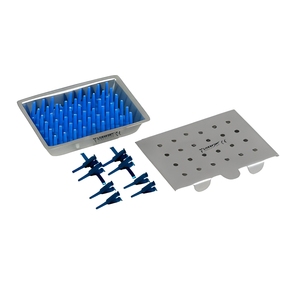
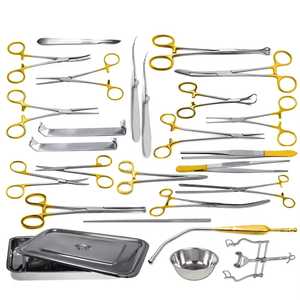
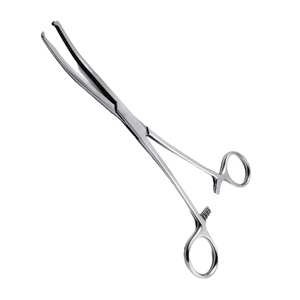
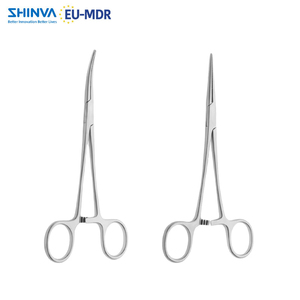
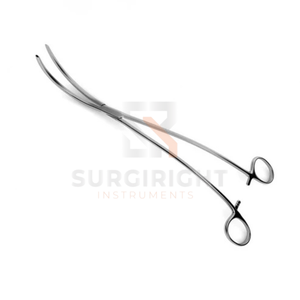
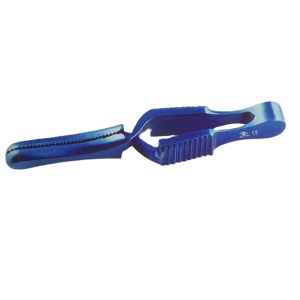
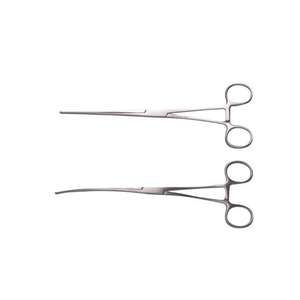
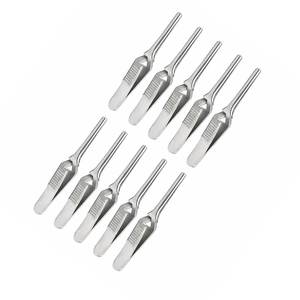
In modern surgical sub-specialties—including neurosurgery, ophthalmic micro-procedures, cardiovascular reconstruction, and plastic surgery—the mechanical integrity of surgical tweezers and dissecting forceps directly dictates clinical outcomes. As an established OEM/ODM Medical Tweezers Manufacturer & Supplier operating from Sialkot's world-renowned surgical instrument manufacturing hub, S.S. Surgimed combines decades of artisanal hand-finishing with state-of-the-art CNC micro-milling and vacuum heat treatment technologies.
Medical-grade tweezers, technically categorized under manual grasping and dissecting surgical instruments (Class I under EU MDR 2017/745 and US FDA 21 CFR 878.4800), demand stringent metallurgical selection. Standard commercial stainless steels often fail to maintain tip concentricity, corrosion resistance, or tension memory across repeated autoclave sterilization cycles (steam sterilization at 134°C for 18 minutes). Below is an authoritative technical analysis of raw materials and precision engineering practices required for high-performance medical tweezers.
Depending on clinical intent—whether for delicate tissue dissection, micro-vascular clamping, or heavy orthopedic manipulation—specific steel formulations are deployed:
| Alloy Grade | Metallurgical Family | Hardness (HRC) | Corrosion Resistance | Primary Clinical Application |
|---|---|---|---|---|
| AISI 410 / 420 | Martensitic Stainless | 48 – 52 HRC | High (Passivated) | General Surgery Forceps, Hemostatic Clamps |
| AISI 440C | High-Carbon Martensitic | 54 – 58 HRC | Very High | Micro-Neurosurgery Tweezers, Micro-Scissors |
| AISI 316L | Austenitic Stainless | Non-Hardened | Superior | Tissue Handling, Laboratory & CSSD Trays |
| Ti-6Al-4V Grade 5 | Titanium Alloy | 36 – 40 HRC | Immune / Non-Magnetic | Ophthalmic, MRI-Guided Microsurgery |
The primary quality differentiator in custom medical tweezers lies in tip alignment (concentricity) and spring force balance. When a surgeon applies clamping force to a micro-tweezer, the working tips must meet with zero planar deviation. A tip mismatch exceeding 0.02mm can lead to tissue slippage, vessel trauma, or operator fatigue during extended surgical procedures.
Our OEM manufacturing process incorporates 3D optical comparators and laser alignment jigs during hand-setting. Furthermore, spring tension is calibrated to eliminate "finger strain" while offering tactile force feedback, ensuring that delicate micro-vessels can be held under controlled tension without tearing tissues or inducing necrosis.
The global market for surgical instruments and medical tweezers is experiencing a structural shift driven by stringent global regulatory standards, hospital infection control mandates, and advancements in minimally invasive surgery (MIS). Group Purchasing Organizations (GPOs), hospital procurement teams, and brand owners are re-evaluating supply chain strategies to ensure compliance and cost-efficiency.
While reusable surgical tweezers crafted from premium German/Japanese stainless steel remain the gold standard for Central Sterile Supply Departments (CSSD) due to their long lifecycle and environmental sustainability, single-use sterile tweezers are rapidly gaining traction in outpatient emergency rooms, field hospitals, and diagnostic kits. OEM partners must now offer dual-track manufacturing: high-durability, autoclavable reusable lines backed by lifetime warranties, alongside high-volume, cleanroom-packed single-use variants compliant with ISO 11607 packaging standards.
Regulatory transparency is no longer optional. Under the European Union Medical Device Regulation (EU MDR 2017/745) and US FDA regulations, medical instrument manufacturers must implement Unique Device Identification (UDI) via 2D GS1 DataMatrix laser etching. Every medical tweezer manufactured at S.S. Surgimed undergoes high-precision fiber laser marking for LOT traceability, item reference codes, and UDI data matrixes that endure repetitive chemical washing and steam autoclaving cycles without degradation.
Modern micro-tweezers increasingly feature specialized functional coatings applied via Physical Vapor Deposition (PVD):
Comprehensive contract manufacturing capabilities, rigorous quality assurance, and complete regulatory support from Sialkot's leading surgical instrument exporter.
Strict raw material verification from certified steel mills. Complete heat lot traceability for AISI 410, 420, 440C, 316L, and Grade 5 Titanium alloys.
Controlled vacuum furnaces ensure uniform hardness (up to 58 HRC) without surface decarbonization, maintaining tension memory over thousands of autoclave cycles.
Ultrasonic cleaning, electro-polishing, and ASTM A967 compliant citric passivation build a dense chromium oxide protective layer to eliminate pitting and rusting.
Turnkey OEM branding: customized laser logo etching, catalogue reference numbers, LOT codes, GS1-compliant UDI DataMatrix, and bespoke retail/sterile packaging.
Experienced engineering team capable of turning 2D technical drawings or CAD models into working prototypes within 10 to 14 business days.
ISO 13485:2016 and ISO 9001 certified Quality Management System. CE marked Class I instruments with appointed European Authorized Representative (EC REP) & EUDAMED registration.
Direct technical answers from our engineering and export departments regarding custom orders, minimum order quantities, and quality standards.
We forge instruments from German and Japanese surgical grade martensitic stainless steels such as AISI 410, 420 and 440 for cutting edges and working jaws, and austenitic AISI 304/316L for holloware, trays and non-cutting handles. For specialized non-magnetic microsurgery, Grade 5 Titanium (Ti-6Al-4V) is utilized. Each heat lot arrives with a mill test certificate, and Rockwell hardness (HRC) is verified after vacuum heat treatment.
Yes. Over 70% of our production volume consists of OEM/ODM orders for medical device brands in Europe, North America, and the Asia-Pacific region. We provide full customization including laser etching of your brand logo, custom catalogue numbers, LOT codes, GS1 UDI DataMatrix, custom color anodizing for titanium tweezers, client-specific IFU (Instructions for Use) inserts, and tailored retail or sterile-barrier packaging.
Our quality management system is certified to ISO 13485:2016 and ISO 9001. Our Class I surgical instruments are CE marked under EU MDR regulations, supported by an official European Authorized Representative (EC REP) and active EUDAMED registration. With every shipment, we issue Declarations of Conformity (DoC), Certificates of Origin, Material Mill Test Certificates, and Sterilization/Passivation reports.
For standard catalogue instrument patterns, trial orders start as low as 10 pieces per pattern. Repeat production runs ship within 15 to 25 working days. For custom OEM/ODM patterns requiring specialized forging dies or CNC programming, sample turnaround takes 2 to 3 weeks, with full production delivery in 4 to 6 weeks following sample approval.
All reusable instruments are electro-polished and passivated per ASTM A967 standards, making them fully autoclavable and resistant to repeated steam sterilization cycles at 134°C (273°F). Reusable lines come with a lifetime functional guarantee against manufacturing defects, corrosion, or material failure under intended clinical use.
Absolutely. Our toolmakers can produce micro-tweezers with smooth tips, 1x2 teeth, 2x3 teeth, cross-hatched micro-serrations, ring tips, or DeBakey atraumatic teeth. We work directly from physical samples, CAD models, or technical sketches provided by your engineering team.
Partner with an ISO 13485:2016 certified OEM/ODM manufacturer. Download our comprehensive product catalogs or contact our technical export specialists for custom manufacturing quotes.
Get Catalog