 Surgical · Dental · Precision Instruments Surgical · Dental · Precision Instruments
 Our flagship surgical clamping instruments are precision-forged from German and Japanese stainless steel. Designed for critical vascular occlusion, tissue grasping, and surgical hemostasis, every instrument undergoes vacuum heat treatment and strict quality control.
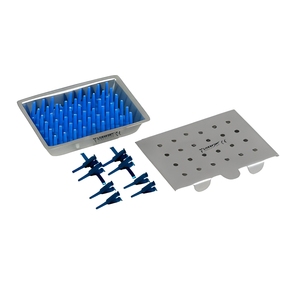
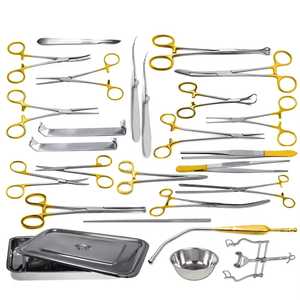
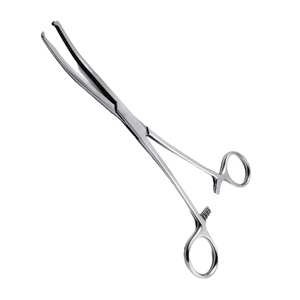
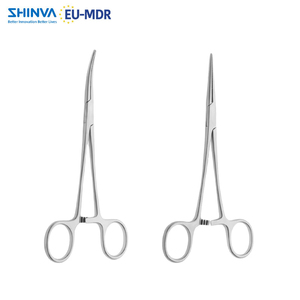
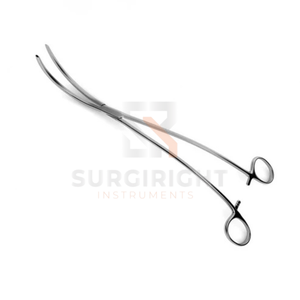
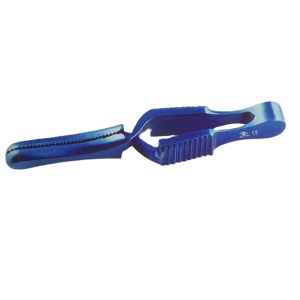
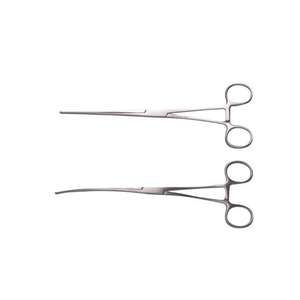
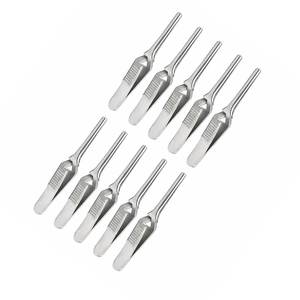
Surgical clamps and hemostatic forceps are among the most critical tactile hand instruments in modern operating theatres. Whether performing micro-vascular anastomosis, deep visceral bowel resection, or routine artery ligation, surgical teams rely on absolute jaw alignment, predictable tactile ratchet resistance, and zero structural deformation under stress. S.S. Surgimed operates as a specialized OEM/ODM manufacturer in Sialkot, Pakistan, engineering surgical-grade instruments that surpass international ISO, ASTM, and CE standards.
E-E-A-T Sourcing Insight: Instrument failure during surgical clamping—whether caused by jaw slippage, ratchet fatigue, or micro-corrosion—originates from improper raw material selection or uncalibrated heat treatment. We eliminate these risks by utilizing certified raw bar stock accompanied by mill test certificates (MTC) and vacuum heat treatment with cryogenic stabilization.
We forge clamps exclusively from German (DIN 1.4021 / 1.4034) and Japanese (SUS 420J2) martensitic stainless steels. These high-carbon chromium alloys deliver an optimal balance of hardness (48-52 HRC), tensile strength, and flexural fatigue resistance. Non-cutting holloware and handles utilize austenitic AISI 304/316 steel for maximum chemical resistance.
A surgical clamp's precision resides in its box-lock joint. Using 5-axis CNC milling and multi-stage manual alignment by master artisans, our box locks maintain a tolerance of ±0.02mm. This eliminates lateral jaw scissoring and ensures that intermeshing serrations (such as DeBakey or longitudinal ribs) close evenly from tip to hinge.
Following electro-polishing, all reusable instruments undergo ultrasonic degreasing and citric acid passivation in compliance with ASTM A967 standards. This process strips free iron particles from the surface, forming an impenetrable, self-healing chromium oxide layer that prevents pitting and corrosion during repeated 134°C steam sterilization cycles.
Compare material properties, jaw geometry, and regulatory compliance metrics across our standard OEM surgical clamp categories.
| Clamp Category | Primary Material Grade | Rockwell Hardness (HRC) | Jaw Geometry & Teeth | Primary Clinical Application | Sterilization Method |
|---|---|---|---|---|---|
| Hemostatic Forceps (Kelly, Crile, Mosquito) | AISI 420 / DIN 1.4021 | 48 – 52 HRC | Transverse serrations, full/half tooth arrangement | Vessel ligation, tissue grasping, temporary hemostasis | Autoclavable (134°C Steam) / Gamma (Single-use) |
| Atraumatic Vascular Clamps (DeBakey, Bulldog) | German 1.4034 / AISI 440 | 50 – 54 HRC | DeBakey fine atraumatic interlocking teeth | Vascular occlusion, cardiovascular & micro-surgery | Steam Autoclave / ETO Sterilization |
| Intestinal & Resection Clamps (Foss, Kocher) | AISI 410 / AISI 420 | 46 – 50 HRC | Longitudinal serrations, 1x2 tissue teeth | Bowel resection, deep pelvic & colorectal surgery | Steam Autoclave (134°C) |
| Ophthalmic & Micro Clamps (Bulldog Clips) | Titanium Grade 5 / AISI 316L | Non-magnetic / 42-45 HRC | Smooth or fine micro-serrated tips | Ophthalmic, neurosurgery, delicate micro-vessels | Steam Autoclave / Chemical Sterilization |
The medical device market is undergoing rapid evolution driven by stringent MDR compliance, robot-assisted surgery, and green hospital sustainability mandates. Procurement teams must anticipate these industry shifts to maintain supply chain resilience and clinical excellence.
Modern surgical techniques prioritize tissue preservation and endothelial integrity. Traditional aggressive serrations are rapidly being replaced by DeBakey atraumatic teeth profiles and tungsten carbide (TC) inserts. These designs distribute clamping force evenly over vessel walls, reducing Intimal hyperplasia and post-operative vascular trauma in cardiovascular procedures.
Global regulatory bodies (US FDA and EU EUDAMED) mandate Unique Device Identification (UDI) for Class I and Class II medical devices. Future procurement requires high-precision fiber-laser marking of high-density 2D Data Matrix codes directly on instrument shanks, enabling hospital Central Sterile Supply Departments (CSSD) to track instrument sterilization lifecycles and usage frequency automatically.
Operating rooms equipped with high-intensity LED surgical lights demand glare-free surgical tools. S.S. Surgimed is pioneering Physical Vapor Deposition (PVD) finishes, including Black Diamond-Like Carbon (DLC) and Titanium Nitride (TiN) gold coatings. These coatings reduce ambient reflection, increase surface hardness up to 70 HRC, and significantly lower friction along moving box-lock joints.
Hospitals are balancing infection control risks against long-term environmental sustainability. While emergency rooms and high-turnover outpatient clinics favor sterile single-use hemostats, main surgical suites are investing in premium-grade reusable instruments backed by lifetime functional guarantees. OEM suppliers must offer both validated sterile single-use lines and durable, re-sterilizable instruments.
Headquartered in the world-renowned surgical instrument manufacturing hub of Sialkot, Pakistan, S.S. Surgimed integrates traditional metallurgical craftsmanship with modern computerized CNC technology and rigid quality management systems.
From drop forging die creation, CNC milling, box-lock hand setting, vacuum hardening, and polishing, to citric passivation, laser marking, and final AQL functional testing—100% of our production process occurs under one roof.
We empower medical device brand owners with complete OEM customization. We provide high-resolution laser marking of your brand logo, specific catalog coding, custom color anodizing, client-branded pouch packing, and multi-lingual IFU inserts.
Our Quality Management System is certified to ISO 13485:2016 and ISO 9001. All Class I surgical devices carry CE marking, are registered in the EU EUDAMED database, and are supported by an appointed European Authorized Representative (EC REP).







Direct technical and operational answers from our manufacturing engineering and export documentation departments.
We forge clamps primarily from certified German and Japanese martensitic stainless steels, such as AISI 410, 420, and 440. These grades provide superior edge retention, flexural rigidity, and high tensile strength needed for ratchet box locks. Non-cutting holloware, sterilizing trays, and auxiliary handles are manufactured from austenitic AISI 304 or 316 stainless steel to maximize corrosion resistance.
We offer comprehensive private label programs. This includes precision fiber-laser etching of your company logo, custom product catalog numbers, LOT batch identification, and UDI 2D Data Matrix codes. We also offer custom color-anodized finishes for titanium clamps, customized packaging solutions (pouch, blister, or boxed surgical sets), and custom multi-lingual Instructions for Use (IFU).
Our facility operates under an ISO 13485:2016 and ISO 9001 certified Quality Management System. All Class I surgical clamps carry CE marking with registered EUDAMED database profiles and an official EC REP in Europe. Every commercial shipment includes Declarations of Conformity (DoC), Mill Test Certificates (MTC) for raw materials, Passivation Test Reports, and Certificates of Free Sale.
For standard catalog instrument patterns, our Minimum Order Quantity starts from just 10 pieces per pattern for initial evaluation orders. Repeat OEM production runs typically ship within 15 to 25 working days. Newly engineered custom OEM patterns requiring new forging dies or custom milling fixtures take 4 to 6 weeks, which includes sample creation and First Article Inspection (FAI) approval.
Yes, all our reusable surgical clamp lines undergo ultrasonic cleaning, electro-polishing, and chemical passivation to withstand repeated steam autoclave sterilization at 134°C (273°F). Reusable instruments are backed by a lifetime functional guarantee against manufacturing defects, material stress cracking, and ratchet failure under normal surgical usage.
Whether you require custom OEM product development, private-label branding, or high-volume wholesale supply of precision surgical clamps, our engineering team is ready to assist.