 Surgical · Dental · Precision Instruments Surgical · Dental · Precision Instruments
 Explore our ISO 13485 certified, CE-marked dissecting forceps forged from premium German and Japanese stainless steel, engineered for micro-dissection, general surgery, and specialized clinical procedures.
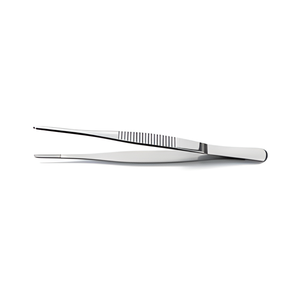
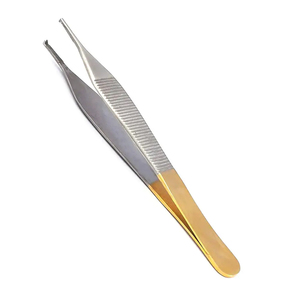
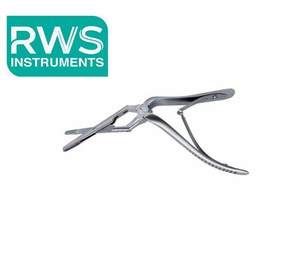
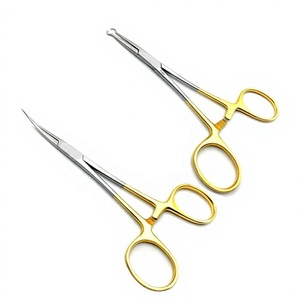
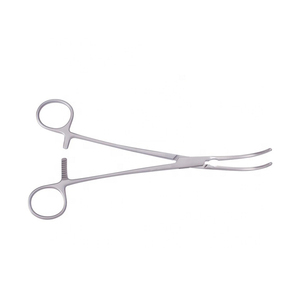
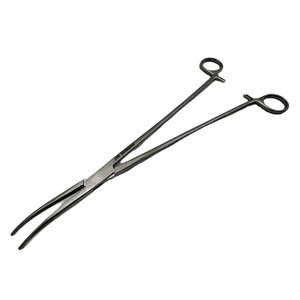
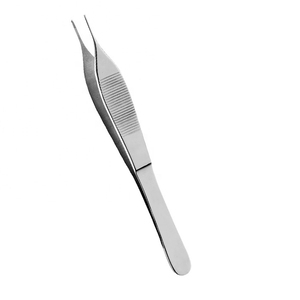
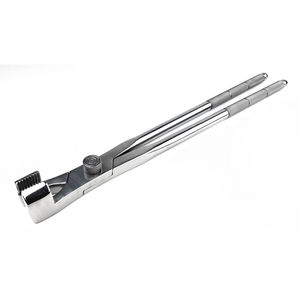
Dissecting forceps represent one of the most critical hand-held instruments in operating theaters, clinical dissection labs, and specialized veterinary procedures worldwide. When surgical procurement teams, hospital group purchasing organizations (GPOs), and private label medical distributors search for top dissecting forceps factories, evaluating manufacturing capability goes far beyond basic pricing. It requires a detailed audit of metallurgical integrity, micro-jaw alignment, passivation efficiency, compliance with ISO 13485 standards, and long-term autoclave endurance.
Globally, surgical instrument manufacturing is heavily concentrated in specialized industrial clusters. Chief among these is Sialkot, Pakistan, which accounts for over 70% of the world’s reusable surgical hand instruments, operating alongside historic European clusters such as Tuttlingen, Germany. Understanding how top dissecting forceps factories operate within these clusters provides critical insight for B2B importers.
| Evaluation Factor | Sialkot OEM Facilities (S.S. Surgimed) | European Facilities (Tuttlingen) | Mass-Market Single-Use Hubs |
|---|---|---|---|
| Primary Steel Grade | AISI 410, 420, 440A German/Japanese Imports | DIN 1.4021 / 1.4117 Stainless Steel | AISI 304 / Standard Martensitic Blanks |
| Craftsmanship & Finishing | Hand-matched tips with CNC serration cutting | Automated CNC machining with high finish | Stamped blanks with minimal hand fitting |
| Cost Efficiency Ratio | High (Optimal ROI for Reusable & Custom OEM) | Low (High overhead and high unit prices) | Moderate (Lowest unit price, single-use focused) |
| Customization / Private Label | Flexible MOQs (from 10 pcs), custom laser UDI | High MOQs required for custom modifications | Limited to catalog stock patterns |
| Regulatory Readiness | CE Mark, ISO 13485:2016, EUDAMED, EC REP | Full CE MDR & FDA Registration | Varies by supplier tier |
Operating from the heart of Sialkot’s surgical cluster, S.S. SURGIMED integrates decades of traditional artisan blade and jaw setting with advanced vacuum heat treatment and CNC machining.
Every batch of dissecting forceps starts with mill-certified surgical grade stainless steel (AISI 410, 420, 440, and 316L). Raw material heat numbers are logged to ensure strict chemical composition compliance (Chromium 12-14%, Carbon 0.15-0.40%).
Blanks undergo vacuum hardening and sub-zero cryogenic quenching. This process achieves precise Rockwell hardness (42-48 HRC for standard forceps; 50-54 HRC for TC-tipped inserts) to eliminate jaw twisting and preserve serration sharpness.
Passivation via citric or nitric acid baths removes free iron particles from the surface, forming a self-healing Chromium Oxide (Cr₂O₃) passive layer that prevents rusting, pitting, and staining during intense CSSD autoclave procedures.
Whether manufacturing standard 1x2 tooth Adson forceps, 7x7 tooth Adson-Brown micro-patterns, or delicate DeBakey atraumatic vascular serrations, our CNC milling guarantees non-traumatic, secure tissue hold.
Full turn-key private labeling including high-precision fiber laser marking of customer logos, SKU catalog numbers, Lot identification, and GS1-compliant Unique Device Identification (UDI) 2D DataMatrix codes.
Complete compliance peace of mind for international importers. Supported by ISO 9001, ISO 13485:2016 certification, Class I CE Mark, EUDAMED registration, and official European Authorized Representative (EC REP) coverage.
Transparency in manufacturing processes separates premium medical instrument makers from sub-standard suppliers. Every pair of dissecting forceps crafted by S.S. Surgimed progresses through an audited 8-stage manufacturing workflow:
As hospital procurement systems digitize and regulatory bodies heighten scrutiny, key trends are reshaping how medical device brands, healthcare distributors, and GPOs contract with dissecting forceps factories.
While high-volume operating rooms favor reusable stainless steel forceps for long-term ROI, outpatient surgery centers and emergency kits increasingly mandate single-use, pre-sterilized dissecting forceps to eliminate cross-contamination risk and CSSD processing costs. OEM factories must offer both certified reusable lines and sterile-packed single-use variants.
With EU MDR and US FDA regulations requiring full supply chain traceability down to the individual device level, factory-level laser marking of UDI DataMatrix codes is no longer optional. Leading factories are integrating direct database uploads for EUDAMED and GUDID compliance.
Surgeons increasingly demand tungsten carbide (TC) inserts vacuum-brazed into thumb forceps jaws. TC inserts offer up to 5 times the wear resistance of standard stainless steel serrations, maintaining non-slip tissue manipulation in delicate plastic, micro-vascular, and neurosurgical procedures.
Top medical device suppliers are transitioning to closed-loop citric acid passivation systems, automated solvent recycling, and eco-friendly packaging materials to satisfy corporate sustainability mandates across European and North American healthcare systems.
Modern surgical techniques require specialized forcep profiles optimized for specific tissue densities and clinical maneuvers. Recent R&D in dissecting forceps focuses on three major structural improvements:
Direct technical and commercial answers from S.S. Surgimed’s engineering and export management team.
We forge our dissecting forceps from premium imported German and Japanese surgical grade martensitic stainless steels, specifically AISI 410, 420, and 440A for working tips and functional jaws where hardness and edge retention are paramount. Non-cutting structural components and holloware utilize austenitic AISI 304 and 316L grades. Every raw material heat lot is accompanied by a mill test certificate, and hardness is verified post heat treatment.
Our manufacturing quality management system is fully certified to ISO 13485:2016 and ISO 9001. For European Union importers, our Class I surgical instruments carry the CE Mark, backed by an appointed European Authorized Representative (EC REP) and registered within the EUDAMED database. We issue Declarations of Conformity (DoC), Certificates of Free Sale (CFS), material test reports, and sterilisation compatibility documentation with each commercial shipment.
Yes. We specialize in comprehensive OEM and private label manufacturing for global surgical instrument brands and regional hospital suppliers. Services include high-precision laser etching of customer logos, SKU reference numbers, lot tracking codes, and UDI DataMatrix codes. We also accommodate custom finish requirements (Satin, Mirror, Black Ceramic, Titanium Nitride Gold) and specialized blister or pouch packaging.
For standard catalog dissecting forcep patterns, our trial order MOQ starts from just 10 pieces per SKU. Repeat production orders typically ship within 15 to 25 working days. New custom OEM patterns requiring custom tooling, sample prototypes, and first article inspection (FAI) approval generally require 4 to 6 weeks from technical drawing sign-off.
All our reusable dissecting forceps undergo rigorous chemical passivation and electropolishing, making them fully autoclavable up to 134°C (273°F) under standard steam sterilization protocols. We provide a lifetime functional guarantee covering material flaws and manufacturing defects under normal clinical use and care.
Every single instrument undergoes a 100% inspection protocol. Jaw alignment and tip closure are visually inspected under magnification to ensure tooth mesh accuracy down to sub-millimeter tolerances. Corrosion resistance is verified per ASTM F1089 / ISO 13402 boiling and copper sulfate testing standards to guarantee long-term rust immunity in CSSD environments.
Request factory-direct wholesale pricing, order sample kits, or discuss custom OEM & private label programs with our dedicated medical export team today.
Send an Inquiry