 Surgical · Dental · Precision Instruments Surgical · Dental · Precision Instruments
 German & Japanese Stainless Steel Grade Instruments Direct From Certified OEM Manufacturing Facilities
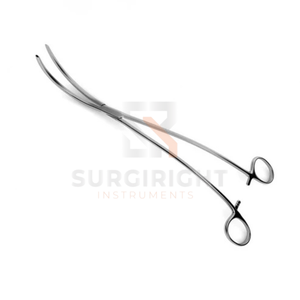
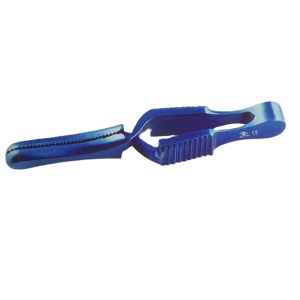
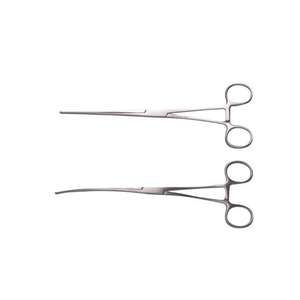
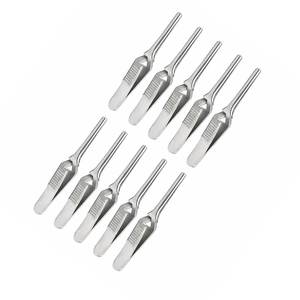
Evaluating Technical Competencies, Metallurgical Selection, and Manufacturing Integrity in Chinese and Global Production Centers
The global orthopedic market demands rigorous standards for surgical instrumentation, specifically within the domain of bone cutting, holding, reduction, and rongeur forceps. As surgical techniques evolve toward minimally invasive trauma repair and complex maxillofacial reconstructive operations, hospital procurement departments and medical device distributors require instruments that combine exceptional mechanical advantage, tactile leverage, and structural longevity.
China has established itself as an essential manufacturing hub for Class I and Class II surgical instruments. Operating alongside specialized instrument forging clusters such as Sialkot and historical European hubs like Tuttlingen, top-tier Chinese surgical instrument manufacturers have transformed their manufacturing capabilities through heavy investment in 5-axis CNC machining, vacuum heat treatment furnaces, automated wire EDM (Electrical Discharge Machining), and electro-chemical passivation systems. This guide serves as an authoritative B2B procurement framework to evaluate bone forceps factories, understand metallurgical standards, assess compliance protocols, and optimize international supply chain efficiency.
How Leading Exporters Maintain Batch-to-Batch Dimensional Accuracy and Metallurgical Integrity
Direct supply agreements with accredited mills ensure raw material traceability. Forged from high-grade martensitic stainless steel (AISI 410, 420, and 440C) for high-stress jaw teeth, and corrosion-resistant austenitic steel (AISI 304/316) for non-wearing surfaces. Mill test reports (MTR) accompany every batch.
Controlled vacuum hardening prevents surface decarburization and scale formation. Hardness is precisely calibrated to 50–54 Rockwell C (HRC) for bone holding jaws and up to 58 HRC for tungsten carbide (TC) cutting inserts, ensuring sharp edges stay sharp without brittle chipping.
To withstand severe Central Sterile Supply Department (CSSD) steam autoclaving at 134°C, instruments undergo ultrasonic bath cleaning followed by citric acid passivation (ASTM A967) to build a thick, self-healing chromium oxide passive surface layer resistant to chemical pitting.
Fully compliant with international medical device frameworks. Facilities maintain ISO 13485:2016 and ISO 9001 certification, CE mark declarations under EU MDR regulations, EUDAMED registration, and designated Authorized European Representatives (EC REP).
Market Insights and Technical Evolution Shaping Global Hospital Purchasing & Supply Chain Strategy
While stainless steel remains the workhorse material, surgical teams increasingly prefer Titanium Alloy (Ti-6Al-4V) bone holding forceps and vascular clamps for microsurgical and pediatric procedures. Titanium offers a 40% reduction in instrument weight, complete MRI compatibility, and elevated fatigue resistance during long surgical procedures.
Global regulatory bodies (US FDA and EU MDR) now enforce mandatory Unique Device Identification (UDI). Advanced exporters utilize fiber laser systems to engrave high-density GS1 2D DataMatrix codes directly onto the shank of bone forceps, enabling automated hospital tracking and asset management across sterilization cycles.
To optimize hospital lifecycle costs, modern forcep designs incorporate brazed or mechanical Tungsten Carbide (TC) jaw inserts. Rather than replacing the entire bone holding clamp when serrations wear down, CSSD centers can re-tip instruments, driving sustainability and reducing total cost of ownership (TCO).
Comparative Engineering Data for Orthopedic, Vascular, and General Surgery Clamps
| Alloy Grade | Hardness Rating | Primary Surgical Application | Sterilization Resistance | Key Performance Attribute |
|---|---|---|---|---|
| AISI 420J2 / German Steel | 50 – 54 HRC | Bone Forceps, Hemostats, Forcep Handles | 134°C Autoclave (Steam) | Excellent spring temper, high yield strength against bending. |
| AISI 440C High-Carbon | 56 – 58 HRC | Bone Cutting Forceps, Rongeur Blades | 134°C Autoclave (Steam) | Extreme edge retention and shear force resistance. |
| Tungsten Carbide (TC) Inlays | 70 – 72 HRA | Needle Holder Jaws, Bone Holding Grips | High Chemical & Heat Resistance | Unmatched grip retention and wear resistance on bone cortex. |
| Titanium Grade 5 (Ti-6Al-4V) | 36 – 40 HRC | Micro-Vascular, Neuro & Pediatric Forceps | Universal / Plasma / Autoclave | Non-magnetic, lightweight, 100% corrosion proof. |
| AISI 304 / 316 Austenitic | 80 – 90 HRB | Sterilization Trays, Holloware, Non-Cutting Handles | Extreme Corrosion Immunity | Maximum resistance to pitting, staining, and cleaning chemicals. |
A Structured Framework to Qualify China Bone Forceps Factories and Mitigate Import Risks
Verify that the factory operates a dedicated ISO 13485:2016 quality management system specifically scoped for surgical hand tools. Inspect the factory's raw material testing laboratory to confirm they possess spectrometer analysis tools to verify nickel and chromium content before forging begins.
High-stress instruments like bone forcep resections require hot drop forging rather than casting. Forged steel maintains a continuous grain flow parallel to the instrument body, preventing catastrophic structural fatigue when clamping hard cortical bone during trauma procedures.
Request pre-production samples to evaluate alignment of box locks, ratchet engagement feel, smoothness of passivated surface, and symmetry of jaw serrations. Conduct boil testing and copper sulfate dip tests per ASTM C757 / ISO 16061 to ensure zero pinhole corrosion.
Direct Answers Regarding Manufacturing Capacities, Minimum Orders, OEM Branding, and Logistics
Connect with our technical export specialists to receive complete product catalogs, request pre-production samples, or discuss custom OEM manufacturing requirements.