 Surgical · Dental · Precision Instruments Surgical · Dental · Precision Instruments
 Explore our flagship surgical-grade stainless steel instruments, forged under strict ISO 13485 quality management systems for exceptional longevity, tactile control, and autoclave resilience.
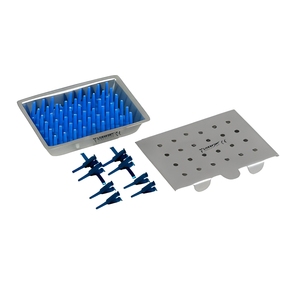
German stainless steel construction with micro-grooved jaws designed for ultra-delicate neurosurgical and micro-vascular atraumatic clamping.
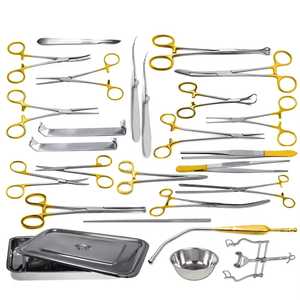
Comprehensive operative clamp configuration optimized for appendectomy, hernia procedures, and abdominal surgical tissue isolation.
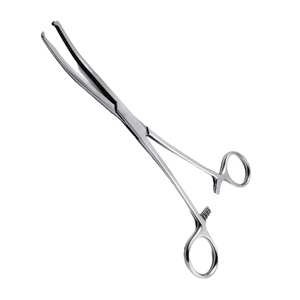
Manual precision ratchet locking system delivering consistent hemostatic pressure with hardened serrated tips for zero slipping.
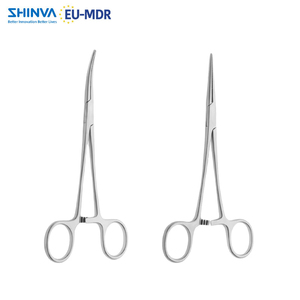
Industry-standard hemostats featuring partial serrations for secure clamping of medium-sized blood vessels and tissue bundles.
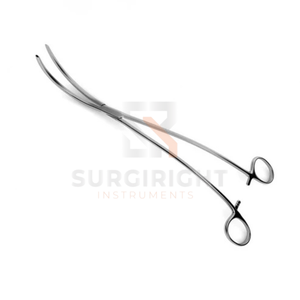
Specialized colorectal surgical clamp featuring deep atraumatic serrations and angled shanks for deep pelvic cavity access.
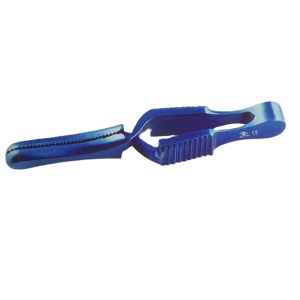
Cross-action micro spring clamps engineered for precise, controlled vascular occlusion in ophthalmic and micro-restorative operations.
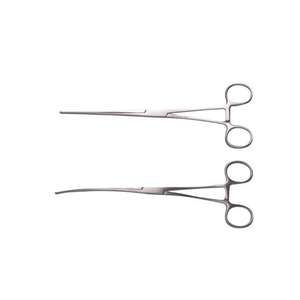
Heavy-duty forged hemostats for veterinary surgery, providing high clamping force, impact resilience, and resistance to aggressive cleaning agents.
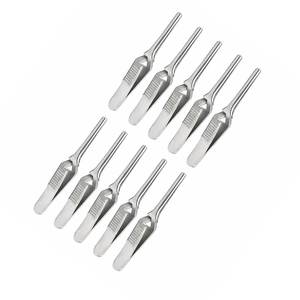
Authentic DeBakey rib-pattern vascular teeth engineered to prevent vessel wall slippage and trauma during cardiovascular procedures.
In modern clinical operative environments—ranging from prosthetic dentistry to complex cardiovascular surgery—instrument performance is governed by mechanical precision, kinetic leverage, and metallurgical integrity. Procurement directors evaluating Top China Crown Removers Manufacturers & Manufacturers must look beyond basic aesthetic finishing. The true benchmark of a medical-grade instrument lies in its structural resistance to fatigue, dimensional tolerance under repeated thermal stress, and micro-geometry design that minimizes tissue or tooth structure trauma.
Unlike primitive manual leverage keys, modern automatic dynamic inertia crown removers utilize controlled kinetic shockwave impulses (measured in Joules). By delivering localized, high-velocity axial force pulses along the longitudinal axis of the abutment, the compressive bond of zinc phosphate, glass ionomer, or resin cements is fractured cleanly without transmitting tensile torque to the underlying root structure or periodontal ligament.
The longevity of crown removers, hemostatic forceps, and micro-vascular clamps depends heavily on the martensitic micro-structure of the raw forged alloy. Leading original equipment manufacturers (OEMs) utilize specialized stainless steel formulations adapted to specific stress profiles:
| Steel Grade Standard | Composition (Cr / C / Ni) | Post-Heat Hardness (HRC) | Primary Clinical Application | Autoclave Resiliency |
|---|---|---|---|---|
| AISI 420 / DIN 1.4021 | 12.0 - 14.0% Cr | 0.15 - 0.40% C | 48 - 52 HRC | Surgical Clamps, Hemostats, Crown Remover Tips | 500+ Cycles (Citric Passivated) |
| AISI 440C / DIN 1.4125 | 16.0 - 18.0% Cr | 0.95 - 1.20% C | 56 - 60 HRC | Cutting Edges, Bone Chisels, Matrix Cleavers | High Wear Resistance |
| AISI 316L (Austenitic) | 16.0 - 18.0% Cr | <0.03% C | 10-14% Ni | Non-Hardenable (150 HB) | Hospital Holloware, Trays, Non-Cutting Handles | Exceptional Chemical Immunity |
| Titanium Grade 5 (Ti-6Al-4V) | 6% Al | 4% V | Balance Ti | 36 - 40 HRC | Non-Magnetic Micro-Tweezers, MRI-Safe Tools | Infinite Resistance / Light Weight |
Forging an instrument into shape is only the initial step. Thermal processing in controlled vacuum furnaces prevents surface decarburization and grain growth. Sub-zero cryogenic stabilization at -80°C converts retained austenite into martensite, preventing instrument warping or ratchet relaxation during operating room use.
Furthermore, chemical passivation per ASTM A967 dissolves free iron from the surface, forming a 2 to 3 nanometer thick chromium oxide ($Cr_2O_3$) passive film. This microscopic layer acts as an impenetrable shield against saline corrosion, enzymatic detergents, and high-temperature steam sterilization cycles (134°C at 2.1 bar).
Micro-machined tip geometries (including DeBakey fine serrations) distribute mechanical clamping pressure uniformly, eliminating tissue necrosis and preventing crown margin fracture.
Precision-milled box locks and screw seats maintain smooth resistance across thousands of actuations without jaw misalignment or lateral play.
Laser-etched UDI Data Matrix codes, lot numbers, and catalogue references ensure full compliance with EU Regulation 2017/745 and US FDA GUDID.
The global landscape for dental and surgical instrument procurement is undergoing a structural transformation. Hospital Group Purchasing Organizations (GPOs), private label brand owners, and international dental distributors are shifting away from fragmented trading intermediaries toward direct integration with certified manufacturing hubs. Key macro trends shaping procurement strategies include:
Traditional manual crown keys and mechanical spring-loaded impactors are rapidly being superseded by pneumatic and adjustable dynamic-inertia crown removal kits. Modern clinical practice demands variable impact settings (low, medium, high intensity) that allow dentists to adjust force vectors based on restoration type (zirconia, porcelain-fused-to-metal, or lithium disilicate). Forward-thinking B2B importers are expanding inventory to include modular tip sets—comprising insert loops, wire traction hooks, and crescent crown grippers.
With the full implementation of EU MDR 2017/745 and heightened FDA import surveillance, healthcare buyers can no longer source unverified instruments. Importers are requiring manufacturers to supply complete Technical Files, Declarations of Conformity, biocompatibility test reports (ISO 10993), and proof of registration in the EUDAMED database. Tier-1 manufacturers providing certified Authorised European Representatives (EC REP) hold a decisive competitive advantage.
Procurement officers are increasingly analyzing the lifetime financial impact of reusable instruments. While low-grade stainless steel instruments exhibit lower initial purchase costs, their high failure rates—due to jaw splaying, joint rusting, and edge dulling after 15–20 sterilizations—result in inflated replacement expenditures. High-grade forged tools passivated for 500+ autoclave cycles reduce long-term hospital operational overhead by up to 40%.
Private label brands require seamless factory integration. Advanced manufacturing facilities now feature integrated fiber-laser marking stations capable of etching high-density UDI Data Matrix barcodes, custom distributor logos, and color-coded anti-glare handles directly into production runs without compromising passivation layers.
Quality assurance in medical instrument forging is rooted in disciplined process control. Our specialized manufacturing facilities execute an 8-stage production pathway for every crown remover component, surgical clamp, and micro-forceps pattern:
Hot drop-forging of certified stainless steel bars to align grain flow with functional tension axes.
Precision 5-axis milling of box locks, ratchet teeth, screw seats, and serrations to sub-micron tolerances.
Master artisans manually align tips, calibrate hinge friction, and verify ratchet lock engagement.
Computerized vacuum heat treatment followed by cryogenic tempering to stabilize internal grain structure.
Hand grinding of functional contours, edge honing, and surface satin polishing to prevent light glare.
Ultrasonic cleaning and chemical passivation per ASTM A967 to build a thick chromium oxide corrosion barrier.
High-precision fiber laser etching of lot numbers, UDI barcodes, CE marks, and client logos.
100% optical inspection, alignment verification, tension testing, and sterile barrier packaging.
Direct technical responses from our engineering and export compliance division to guide international importers and distributor partners.
We forge active functional components (such as crown remover tips, hemostat jaws, and cutting edges) from high-grade martensitic stainless steels, specifically AISI 420 (DIN 1.4021) and AISI 440C. These alloys achieve a post-heat hardness between 48 and 58 HRC, ensuring long-term wear resistance. For non-cutting handles, holloware, and sterilization cassettes, we utilize austenitic AISI 304 and AISI 316L for maximum chemical immunity against aggressive washing cycles.
For standard catalogue instrument patterns, our baseline MOQ starts at 10 pieces per pattern for evaluation orders. Repeat production runs ship within 15 to 25 working days. Custom OEM patterns requiring die fabrication, initial prototyping, and first article inspection (FAI) typically require 4 to 6 weeks from technical drawing approval.
Every shipment is supported by complete regulatory documentation, including ISO 13485:2016 and ISO 9001 quality certificates, CE Declarations of Conformity, Material Mill Inspection Certificates, Passivation Test Reports (per ASTM A967), and Certificates of Free Sale. EU-bound shipments include documentation linked to our registered EC REP and EUDAMED database entries.
Our reusable instrument range is explicitly validated for repeated steam sterilization at 134°C (273°F) for 18 minutes at 2.1 bar pressure. By utilizing high-purity vacuum heat treatment and ultrasonic citric passivation, our tools withstand over 500 autoclave cycles without pitting, cracking, joint binding, or surface discoloration.
Yes. We offer turnkey private label OEM solutions. Our in-house laser marking stations execute high-density UDI Data Matrix coding, custom part numbering, and brand logo placement. We also supply custom-printed blister packaging, pouch sealing, instruction for use (IFU) inserts, and color-anodized instrument grips tailored to your corporate brand guidelines.
All reusable surgical and dental instruments produced in our facility carry a lifetime functional guarantee against material defects, cracking, and workmanship flaws. Should any instrument fail during intended clinical use due to metallurgical or manufacturing defects, it will be repaired or replaced free of charge.
Consult with our senior metallurgical engineers and international trade specialists to request sample kits, review CAD technical drawings, or receive competitive factory-direct quotations for your private label program.