 Surgical · Dental · Precision Instruments Surgical · Dental · Precision Instruments
 Precision-engineered diagnostic probes, hemostatic explorer clamps, and micro-vascular surgical instruments manufactured under strict ISO 13485:2016 quality management standards.
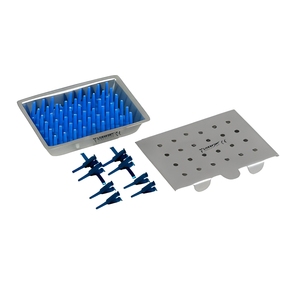
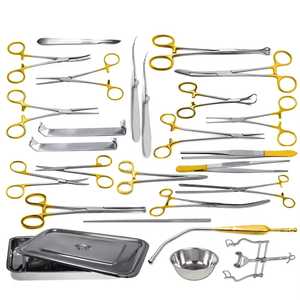
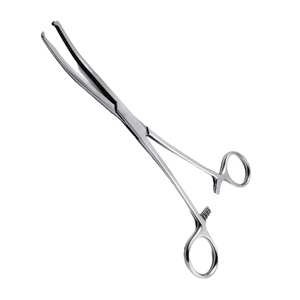
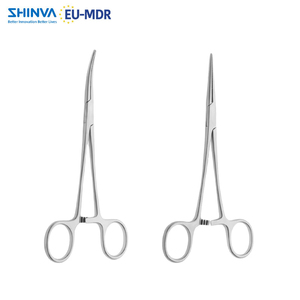
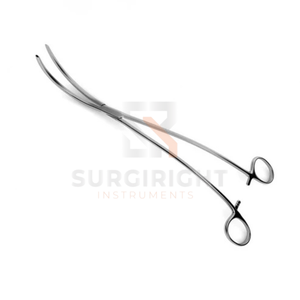
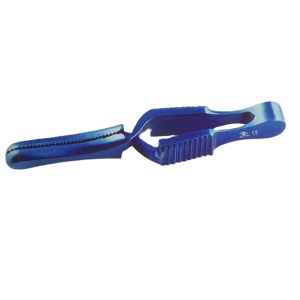
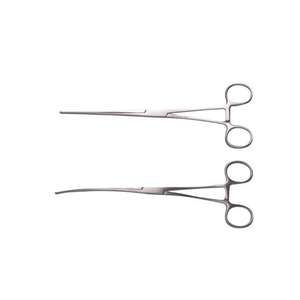
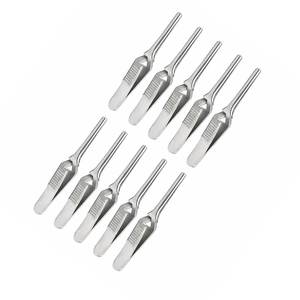
Combining advanced CNC machining, vacuum thermal metallurgy, and hand-finishing mastery to yield dental diagnostic instruments of unparalleled tactile sensitivity and durability.
Every batch of dental explorers is forged strictly from mill-certified German or Japanese martensitic stainless steel (AISI 420 / 440C). We verify raw bar stock composition via optical emission spectrometry prior to forging.
Our proprietary computer-controlled vacuum furnaces treat steel components to exact Rockwell HRC 50-55 hardness. This guarantees optimal flexural resilience without brittle tip fracture during deep periodontal probing.
Instead of standard sampling, 100% of our diagnostic probe tips undergo optical comparator dimensional measurement and manual tactile flexibility calibration by master instrument technicians.
An executive analysis of evolving regulatory frameworks, ergonomic shifts, and procurement strategies shaping the international dental market.
The international market for dental diagnostic hand instruments—specifically dental explorers, probes, and endodontic locators—is undergoing a rapid technological and operational shift. Hospital procurement boards, dental group purchasing organizations (GPOs), and multinational medical device distributors are adjusting their sourcing standards to favor manufacturers capable of offering high information gain, full regulatory traceability, and enhanced metallurgical performance.
In response to tighter European Medical Device Regulation (EU MDR 2017/745) and US FDA Unique Device Identification (UDI) mandates, OEM manufacturing partners in China have elevated production lines to integrate automated laser UDI marking, passivated corrosion barriers, and sustainable packaging models.
Practitioner fatigue and repetitive strain injuries (RSI) have pushed clinical demand toward large-diameter (9mm - 11mm) ergonomic hollow handles. China's top manufacturers now employ automated deep-drawing and seam-welding technologies to produce lightweight stainless handles that balance tactile feedback with reduced hand strain during extended diagnostic sessions.
Central Sterile Supply Departments (CSSD) utilize aggressive chemical detergents and high-temperature steam sterilization (134°C). Modern dental explorer manufacturing demands advanced citric and nitric acid passivation (ASTM A967 standard), creating a resilient chromium-oxide passive surface layer that eliminates corrosion pitting over hundreds of cleaning cycles.
Distributors are bypassing intermediary trading entities to partner directly with certified China factories. Direct factory collaboration enables custom tip geometries (such as DG16 endodontic, Shepherd's Hook #23, and Williams probe calibrations), customized branding, and custom-molded sterilizing cassettes.
Global buyers prioritize eco-friendly blister packaging and recyclable pouch materials. Factories adopting cleanroom primary packaging (ISO Class 7) ensure single-use and reusable dental tools arrive ready for sterilizing validation or immediate clinical dispatch.
Deep technical insights into raw material selection, heat treatment physics, and micro-machining tolerances defining next-generation diagnostic tools.
A dental explorer functions as an acoustic and mechanical amplifier for the clinician’s touch. When the ultra-fine tip (0.18mm - 0.25mm) traverses enamel irregularities, subgingival calculus, or restoration margins, the elastic modulus of the shank transmits micro-vibrations to the practitioner's fingertips. Achieving the ideal balance between hardness (to prevent bending) and flexural elasticity (to prevent snapping) requires strict metallurgical control during thermal quenching.
| Steel Grade / Alloy | Hardness Range (HRC) | Tensile Strength (MPa) | Corrosion Resistance | Primary Clinical Application |
|---|---|---|---|---|
| AISI 420 Martensitic Steel | HRC 50 - 54 | 1600 - 1800 MPa | High (Passivated) | Standard Explorers (#23, #17, #6, DG16) |
| AISI 440C High-Carbon Steel | HRC 56 - 60 | 1900 - 2100 MPa | Very High | Ultra-Fine Micro-Endodontic Diagnostic Probes |
| AISI 304 / 316 Austenitic Steel | HRC 25 - 35 (Non-Hardened) | 600 - 800 MPa | Exceptional | Hollow Handles, Instrument Trays, Holloware |
| Grade 5 Titanium Alloy (Ti-6Al-4V) | HRC 36 - 42 | 900 - 1000 MPa | Immune to Rust | Implant Diagnostic Explorers (Scratch-Free) |
Our standardized production workflow ensures complete compliance with ISO 13485:2016, CE Mark requirements, and global procurement specs.
Every shipment of stainless steel rod stock is tested using X-ray fluorescence (XRF) spectroscopy to confirm exact chemical element percentages (Cr, C, Mn, Si) against mill test reports before forging.
High-speed drop forging aligns the metal grain structure along the curve of the probe shank. 5-axis CNC Swiss lathe milling then carves handles and threads with micron-level consistency.
Instruments are vacuum heat-treated at 1050°C and rapidly quenched in nitrogen gas, followed by sub-zero cryogenic treatment to eliminate retained austenite and eliminate internal stress points.
Veteran artisans hand-hone probe tips under 10x optical magnification. Tips are calibrated against physical master templates to guarantee curvature angles match international FDI standards.
Instruments undergo multi-stage ultrasonic degreasing followed by citric acid passivation. Samples from each lot undergo a 30-minute water boil test and copper sulfate dip test to ensure zero rust formation.
Permanent fiber lasers engrave customer brand logos, part reference codes, LOT numbers, and UDI data matrix codes. Cleanroom packaging seals each instrument for international export.
Direct technical answers from our engineering and export compliance team to simplify your OEM procurement decisions.
We forge dental explorer working ends primarily from high-grade German and Japanese AISI 420 (X20Cr13) and AISI 440C martensitic stainless steels. Handles are available in solid or hollow AISI 304 stainless steel. Hardness is controlled via automated computer vacuum furnaces and cryo-quenching, achieving HRC 50–54. Every lot is released with a metallurgical certificate and Rockwell hardness test report.
For standard catalog dental explorer patterns, our minimum trial order starts at just 100 pieces per pattern. For custom OEM designs or private label orders with custom laser-etched branding and tailored packaging, the standard MOQ is 500 pieces per SKU. Lead time for sample approval is 7–10 days, while full production shipments typically dispatch within 20–30 working days.
Yes. As a certified manufacturer, our quality management system complies with ISO 13485:2016 and ISO 9001. All Class I dental hand instruments carry CE marking under EU MDR 2017/745, registered with an authorized EC REP and EUDAMED database entry. We supply complete Technical Documentation Files, Declarations of Conformity, Material Safety Data Sheets (MSDS), and Free Sale Certificates (FSC) with every export shipment.
Our reusable dental tools are passivated in accordance with ASTM A967 standards, building an impermeable chromium oxide film. They are engineered to endure repeated autoclaving cycles at 134°C (273°F) for 18 minutes without surface discoloration, pitting, joint stiffness, or loss of tip tactile flex. We cover all reusable catalog items with a lifetime functional guarantee against manufacturing defects.
We support all international dental probe configurations including Shepherd’s Hook #23, Cowhorn #3CH, Williams, CP-12, UNC-15, and DG16 endodontic locators. Periodontal depth calibration lines (black laser-marked bands at 1-2-3-5-7-8-9-10mm intervals) can be customized with high laser precision that resists fading after repeated CSSD washings.
We export consolidated air freight and ocean freight shipments globally to over 35 countries. Packaging options range from individual sterile barrier pouches and branded color retail boxes to heavy-duty stainless sterilizing cassettes. Our export team coordinates HS code classification (HS Code 9018.49), certificate of origin, and custom customs documentation for seamless arrival at your destination port.
Contact our technical sales team today to request product samples, complete catalog PDFs, OEM price lists, and compliance dossiers for your regional market.