 Surgical · Dental · Precision Instruments Surgical · Dental · Precision Instruments
 Explore our export-grade medical instruments crafted from high-martensitic stainless steel with certified hardness and zero-defect jaw alignment.
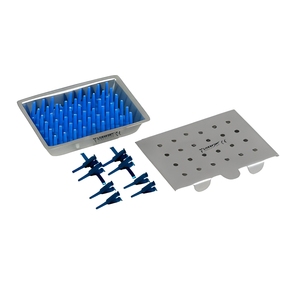
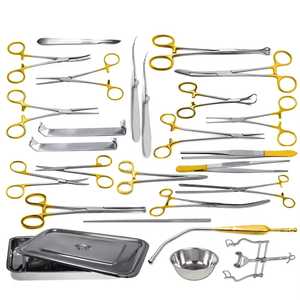
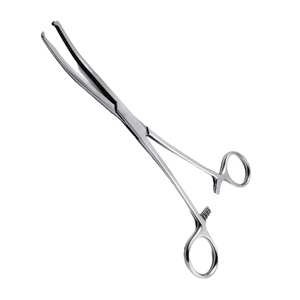
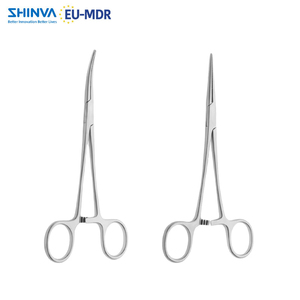
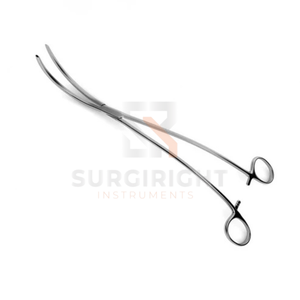
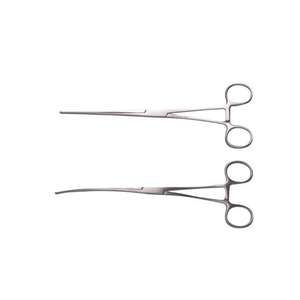
In modern clinical environments, surgical operating scissors are not merely cutting implements; they are precision mechanical extensions of the surgeon’s hands. The quality of tissue disarticulation, vascular dissection, and suture trimming depends directly on the metallurgical composition of the steel matrix, thermal treatment protocols, and zero-play blade geometry. Leading China operating scissors factories & exporters have transformed manufacturing paradigms by integrating high-purity martensitic stainless steels, automated 5-axis CNC grinding, and sub-zero vacuum heat treatment.
To meet international medical device standards such as ASTM F899 and ISO 7153-1, surgical scissors must deliver a balanced combination of high tensile strength, extreme wear resistance, and long-term chemical passivation against body fluids and repeated CSSD (Central Sterile Supply Department) steam sterilisation cycles at 134 °C.
| Steel Grade Standard | Carbon Content (%) | Chromium Content (%) | Achieved Hardness (HRC) | Primary Clinical Application |
|---|---|---|---|---|
| AISI 410 / DIN 1.4006 | 0.09 – 0.15% | 11.5 – 13.5% | 40 – 45 HRC | Forceps shanks, non-cutting handles, utility hospital holloware |
| AISI 420A / DIN 1.4021 | 0.16 – 0.25% | 12.0 – 14.0% | 48 – 52 HRC | Standard Mayo dissecting scissors, hemostatic artery clamps |
| AISI 420B / DIN 1.4028 | 0.26 – 0.35% | 12.0 – 14.0% | 52 – 55 HRC | Metzenbaum delicate tissue scissors, Iris micro-scissors |
| AISI 420C / DIN 1.4034 | 0.43 – 0.50% | 12.5 – 14.5% | 54 – 58 HRC | Supercut scissors, micro-vascular cutting instruments |
| Tungsten Carbide (TC) Inlay | WC + Co Matrix | Composite Insert | 70 – 72 HRC | Gold-ring heavy-duty operating scissors & bone cutting shears |
The global demand for high-precision surgical instruments has accelerated technological innovation across Chinese manufacturing hubs. Modern operating scissors have evolved through three distinct mechanical generations:
Traditional dual-bevel cutting blades suitable for general tissue trimming and emergency suture cutting. Built with classic screw-pivot locks requiring periodic realignment.
Features one razor-sharp knife edge paired with a micro-serrated blade that grips slippery organ tissue, preventing slippage during delicate microsurgical dissections.
Tungsten carbide tiles sintered directly onto the cutting edges via high-frequency vacuum silver brazing. Offers 5x longer cutting edge retention compared to stainless steel.
Key to modern China factory production is the zero-play joint construction. By utilizing precision-milled box locks or flush-fit titanium screw pivots, manufacturers eliminate lateral blade wobble. This ensures that the shear angle remains constant along the entire edge length, from the proximal shank to the extreme distal tip.
As hospital procurement teams, medical device brands, and regional distributors re-evaluate their supply chains, strategic sourcing from established Chinese original equipment manufacturers (OEMs) is shifting from basic price arbitrage to comprehensive value chain integration.
Global buyers now require full conformity with EU MDR 2017/745, US FDA 21 CFR 820, and EUDAMED database registration, backed by laser-etched UDI (Unique Device Identification) DataMatrix codes.
While reusable instruments with lifetime warranties dominate operating theatres in Europe and North America, high-volume day surgery centers are adopting pre-sterilized single-use scissors to mitigate cross-contamination risks.
Importers are demanding turn-key OEM solutions, including custom non-reflective surface coatings (e.g., PVD black titanium nitrate, gold handles), tailored tray sets, and regional IFU (Instructions for Use) documentation.
Our manufacturing setup integrates traditional metallurgical forging craftsmanship with automated CNC milling technology. Operating under a certified ISO 13485:2016 and ISO 9001 Quality Management System, every production run follows a rigorous 8-stage manufacturing route designed to eliminate structural defects and guarantee dimensional precision.
Hot drop-forging of mill-certified stainless steel bars into dense instrument blanks with controlled grain alignment.
5-axis CNC machining of box locks, shanks, screw seats, and blade curvatures to exact millimeter tolerances.
Master artisans perform initial joint riveting, blade tensioning, and tip-to-tip alignment checks.
Computerized vacuum furnace hardening followed by cryogenic sub-zero stabilization to achieve 54-58 HRC.
Robotic wheel polishing and fine hand-honing to produce micro-sharp Supercut or micro-serrated edges.
Multi-tank citric/nitric passivation conforming to ASTM A967 to build an impenetrable passive chromium oxide layer.
High-resolution fiber laser marking of brand logos, catalog reference numbers, LOT data, and UDI matrix codes.
100% functional testing of cutting feel, ratchet engagement, corrosion resistance, and sterile pouch packaging.
Direct answers from our engineering and regulatory compliance teams regarding custom OEM orders, metallurgy, and export procedures.
Connect with our engineering experts to request technical catalogs, custom OEM project assessments, or competitive factory-direct quotations.
Get a Quote