 Surgical · Dental · Precision Instruments Surgical · Dental · Precision Instruments
 Explore our MDR-compliant, bio-compatible trauma fixation and joint replacement systems forged for superior osseointegration and mechanical stability.
In modern orthopedic trauma surgery and joint reconstruction, selecting a premier Top Trusted Orthopedic Implants Supplier & Exporters requires rigorous evaluation of metallurgical integrity, fatigue life limits, surface bio-passivation, and structural stress distribution. As hospital procurement teams and medical device distributors navigate increasingly stringent regulatory landscapes such as European Union MDR (2017/745) and US FDA 510(k) clearances, supplier verification must extend beyond basic dimensional compliance into advanced biomechanical performance metrics.
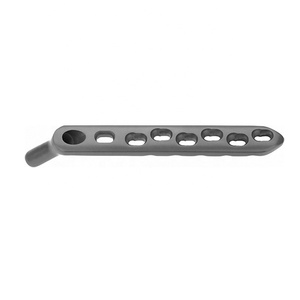
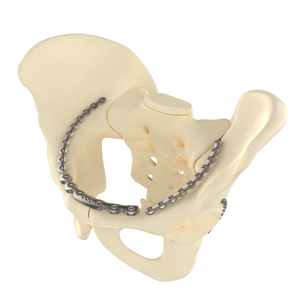
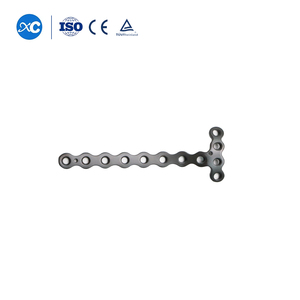
Orthopedic implants act as temporary or permanent internal load-bearing structures. When a long bone fractures, the mechanical stability provided by dynamic compression plates (DHS), pelvic locking plates, or distal radius fixation systems dictates the primary and secondary bone healing cascade. Inadequate fatigue strength or improper Young’s Modulus matching leads to stress shielding, hardware failure, non-union, or revision surgeries. Our manufacturing protocols integrate aerospace-grade metallurgy with specialized medical-grade precision finishing to eliminate micro-inclusions and stress concentration points.
Utilizing Ti-6Al-4V ELI (Extra Low Interstitial - ASTM F136) and Grade 4 Unalloyed Titanium (ASTM F67) for unmatched strength-to-weight ratios, excellent corrosion resistance, and optimal cell adhesion.
Vacuum Melted 316LVM (ASTM F138) engineered specifically for high-load pelvic anatomical locking plates, offering high tensile yield strength and superior ductility under complex torsional forces.
Type II anodic oxidation surface treatment and Hydroxyapatite (HA) plasma spraying create porous micro-structures that accelerate osteoblast proliferation and cementless bone ingrowth.
An authoritative analysis of upcoming technological shifts reshaping global medical device procurement, supply chain resilience, and surgical outcomes.
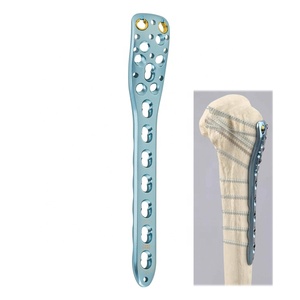
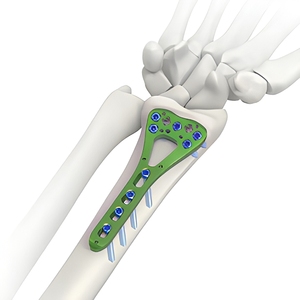
Traditional mono-axial locking compression plates (LCP) restrict screw trajectory to a single fixed axis. Emerging trauma protocols demand Multi-axial Variable Angle Locking Systems (as featured in our distal radius and proximal humerus plates). Surgeons can now angle locking screws up to 15°–20° off-center in any direction. This allows precise targeting of specific bone fragments, avoidance of intra-articular penetration, and optimized purchase in osteoporotic or compromised bone stock.
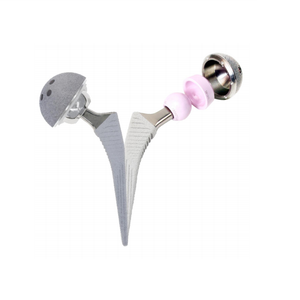
The global hip replacement market is experiencing a definitive transition toward cementless total hip prostheses. Importers and hospital chains prioritize Cementless Titanium Stems with Porous HA Coatings. By utilizing a press-fit design with proximal plasma-sprayed titanium and hydroxyapatite layer, these prosthetics promote biological secondary fixation (osseointegration), eliminating PMMA bone cement degradation issues and significantly lengthening implant survivorship in younger, active patients.
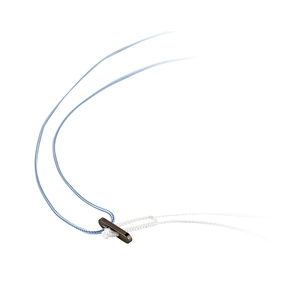
As sports medicine procedures grow globally, soft tissue fixation devices—such as Adjustable ACL Endobutton Loop Systems—have become high-demand export commodities. Titanium adjustable buttons eliminate the need for pre-measuring graft loop lengths during anterior cruciate ligament (ACL) reconstruction, providing continuous loop tightening and robust femoral cortical fixation under repetitive cyclic pulling loads.
Regulatory stringency requires every orthopedic implant exporter to maintain comprehensive technical documentation, clinical evaluations, and full material batch traceability. The implementation of Unique Device Identification (UDI) laser-marked DataMatrix codes ensures seamless supply chain visibility from raw titanium ingot forging to the operating room theater.
A data-driven engineering summary comparing surgical alloys used across our trauma, maxillofacial, and reconstructive product portfolios.
| Material Grade / Standard | Yield Strength (MPa) | Tensile Strength (MPa) | Young’s Modulus (GPa) | Primary Surgical Application | Corrosion & Autoclave Resistance |
|---|---|---|---|---|---|
| Ti-6Al-4V ELI (ASTM F136) | ≥ 795 MPa | ≥ 860 MPa | 110 GPa | Variable Angle Locking Plates, ACL Buttons, Hip Stems | Exceptional (Passive TiO2 Oxide Layer) |
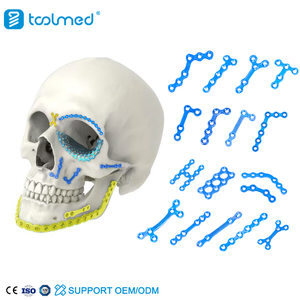
| Pure Titanium Gr. 4 (ASTM F67) | ≥ 480 MPa | ≥ 550 MPa | 105 GPa | Distal Radius Plates, DHS Compression Plates, CMF Plates | Superior Biocompatibility & Ductility |
| Stainless Steel 316LVM (ASTM F138) | ≥ 690 MPa | ≥ 930 MPa | 200 GPa | Heavy-Duty Pelvic Curved Plates, High-Load Reconstruction | High Pit & Crevice Resistance (Vacuum Melted) |
| Cobalt-Chromium-Molybdenum (ASTM F75) | ≥ 450 MPa | ≥ 665 MPa | 220 GPa | Femoral Heads, Total Joint Articulating Bearings | Maximum Wear Resistance & Hardness |
Combining time-tested surgical craftsmanship with state-of-the-art CNC precision manufacturing and rigorous quality control protocols.
Every titanium alloy bar or stainless steel heat lot undergoes spectral analysis and ultrasonic flaw detection. Mill certificates accompany every export shipment without exception.
Implants undergo vacuum stress relieving, solution treatment, and aging in automated vacuum furnaces to eliminate surface oxidation, ensuring maximum cyclic fatigue resistance.
Electropolishing and ultrasonic bio-cleaning remove microscopic free iron particles, creating a uniform chrome/titanium oxide passive layer tested per ASTM F86 standards.
Complete custom manufacturing support including custom color anodization (pink, blue, gold), custom box sets, laser logo marking, and specialized sterilization barrier packaging.
Class I and Class IIb orthopedic devices produced under certified ISO 13485:2016 quality systems with established European Authorized Representative (EC REP) coverage.
Streamlined air and sea freight export capabilities servicing medical hubs across Europe, North America, Middle East, Asia-Pacific, and Latin America with zero customs clearance delay.
Detailed technical, regulatory, and commercial responses addressing global supply chain inquiries.
We forge and machine implants from certified medical-grade metals: Titanium Alloy Ti-6Al-4V ELI (Extra Low Interstitial, ASTM F136 / ISO 5832-3) for superior fatigue strength in variable angle locking plates; Pure Titanium Grade 4 (ASTM F67 / ISO 5832-2) for high ductility dynamic compression (DHS) and distal radius plates; and Vacuum Melted Stainless Steel 316LVM (ASTM F138 / ISO 5832-1) for high-stress pelvic reconstruction plates. Each material shipment includes complete heat-lot chemical and physical mill test reports.
Our engineering standards adhere strictly to ASTM F382 (Standard Specification and Test Method for Metallic Bone Plates) and ASTM F543 (Metallic Medical Bone Screws). Plates undergo 4-point bending fatigue testing exceeding 1 million cycles without failure. Furthermore, CNC lock thread precision ensures zero cross-threading when locking screws engage with the plate holes.
Our quality management system is fully certified under ISO 13485:2016 and ISO 9001. We provide complete CE marking declarations of conformity, European Representative (EC REP) contact data, EUDAMED registration numbers, Certificate of Free Sale (CFS), clinical evaluation reports (CER), and biocompatibility test reports according to ISO 10993 standards.
Yes. We offer turnkey OEM programs for medical device brand owners and regional distributors. Capabilities include laser etching of client logos, catalog numbers, LOT and GS1-compliant UDI DataMatrix codes, custom color anodization (gold, dark blue, magenta), personalized sterilizing tray setups, and custom-designed anatomical bending patterns.
For standard catalog trauma plates and joint prostheses, trial orders start from 10 pieces per pattern. Repeat bulk production orders typically ship within 15 to 25 working days. New OEM or custom prototype engineering projects require 4 to 6 weeks, including first article inspection (FAI) approval and sampling.
Implants are supplied clean, passivated, non-sterile in protective medical-grade packaging ready for hospital steam autoclave sterilization at 134°C. Alternatively, upon client request, we can supply pre-sterilized single-use implants packaged in certified Tyvek blister pouches utilizing Gamma-ray or Ethylene Oxide (EtO) sterilization processes.
Connect directly with our orthopedic engineering and global logistics teams to receive bulk price quotations, OEM CAD samples, and regulatory dossier support.
Get Catalog