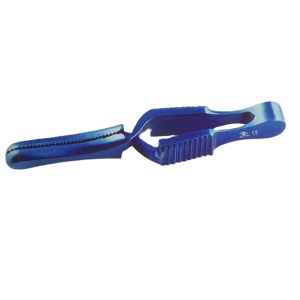
 Surgical · Dental · Precision Instruments Surgical · Dental · Precision Instruments
 Direct factory manufacturing featuring German and Japanese stainless steel, laser-etched UDI codes, and ergonomic grip designs for advanced surgical suites across Tokyo.
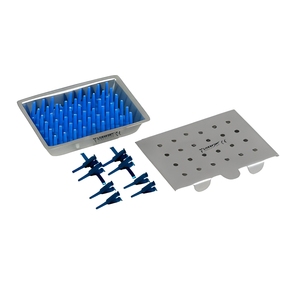
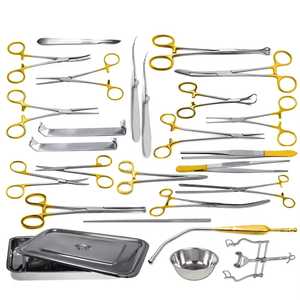
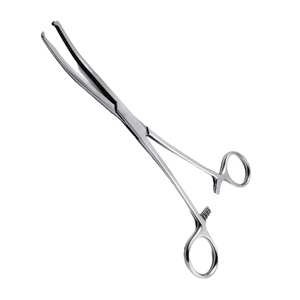
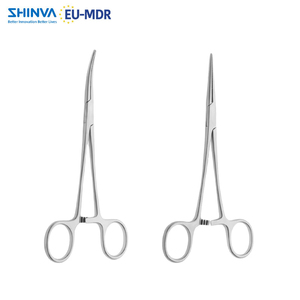
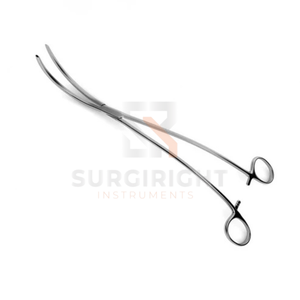
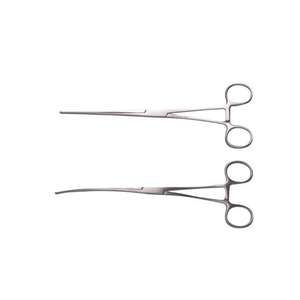
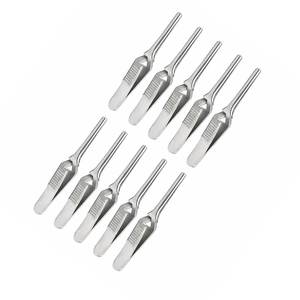
In the high-demand operating theaters of Metropolitan Tokyo—from major university medical hubs like The University of Tokyo Hospital and Keio University Hospital to specialized trauma centers—surgical instruments must fulfill rigorous performance parameters. As an established OEM bone forceps manufacturer, S.S. Surgimed provides direct factory access to precision-engineered bone holding forceps, bone reduction clamps, rongeurs, and vascular surgical clamps engineered specifically for Japanese orthopedic and surgical standards.
Bone holding forceps require extraordinary tensile strength, fracture resistance, and rotational stability under heavy mechanical load. During open reduction and internal fixation (ORIF) procedures, surgical bone clamps must maintain firm cortical grip without inducing micro-fractures in bone tissue or slipping when subjected to continuous torsion. Our manufacturing facility in Sialkot combines traditional master-craftsmanship with modern 5-axis CNC machining, wire EDM precision cutting, and vacuum heat treatment technology to supply Tokyo medical device distributors with world-class surgical tools.
We forge surgical bone forceps from imported German and Japanese martensitic stainless steel grades (AISI 410, 420, and 440C / JIS SUS420J2 and SUS440C). Martensitic alloys contain 12% to 18% chromium combined with controlled carbon content, enabling deep vacuum hardening up to 48–54 HRC. This guarantees that forcep ratchets retain tactile locking pressure, box locks avoid alignment play, and serrated jaw teeth resist dulling over thousands of central sterile supply department (CSSD) autoclave cycles.
Furthermore, our non-cutting surgical handles, trays, and holloware leverage austenitic AISI 304/316 stainless steel to deliver maximum chemical resistance against aggressive cleaning agents, enzymatic detergents, and high-pressure steam sterilization at 134°C.
Comprehensive technical metrics evaluated by medical device purchasing committees and biomedical engineers in Japan.
| Instrument Category | Primary Steel Alloy | Hardness (Rockwell C) | Surface Passivation Finish | Autoclavability Cycle Standard |
|---|---|---|---|---|
| Bone Holding Forceps | AISI 420 / JIS SUS420J2 | 48 - 52 HRC | Glare-free Satin / Electro-polished | 134°C Steam Sterilization (ISO 17665) |
| Bone Rongeurs & Cutters | AISI 440C / JIS SUS440C | 52 - 56 HRC | Ultra-fine Mirror or Satin finish | 134°C Steam Sterilization (ISO 17665) |
| Vascular & Micro Clamps | AISI 410 / Anti-magnetic Alloy | 42 - 46 HRC | Satin Matte / Anti-reflective coating | 134°C Steam Sterilization (ISO 17665) |
| Tungsten Carbide Inserts | Surgical Grade TC Jaw Plates | 68 - 72 HRC | Gold-plated ring handles for ID | 134°C Steam Sterilization (ISO 17665) |
| Hospital Holloware & Trays | Austenitic AISI 304 / 316 | Non-hardened (High Ductility) | High-gloss Electro-polished | 134°C Steam Sterilization (ISO 17665) |
Tokyo operates one of the most sophisticated municipal and university medical network systems globally. Surgical requirements vary significantly depending on hospital classification, clinical specialization, and surgical techniques:
Supplying surgical instruments to Tokyo requires a deep understanding of local regulatory pathways governed by the Pharmaceuticals and Medical Devices Agency (PMDA) under the Japanese Ministry of Health, Labour and Welfare (MHLW). Japanese medical device distributors and hospital group purchasing organizations (GPOs) adhere to strict compliance parameters:
1. Super-Aged Demographic (Chōkōreishakai) Driving Orthopedic Demand: Over 30% of Tokyo's population is aged 65 or older. This demographic shift has created unprecedented demand for joint replacement surgeries (total hip arthroplasty and total knee arthroplasty), osteoporotic fracture repairs, and spinal stabilization. Consequently, Tokyo hospitals are constantly expanding their inventory of high-grade bone holding forceps, bone sequestrum forceps, and rongeurs.
2. PMDA Class I Notification & Foreign Manufacturer Registration: General surgical instruments including bone forceps, hemostatic clamps, and retractors are classified as Class I Medical Devices (Todokede). S.S. Surgimed provides complete technical documentation, raw material mill certificates, ISO 13485 audit reports, and manufacturing process validation necessary for Japanese importers (Marketing Authorization Holders / MAH) to complete PMDA notifications smoothly.
3. Strict Adherence to JIS T 0307 Standards: Japanese Industrial Standards (JIS T 0307) outline rigid guidelines for surgical hand instruments regarding surface smoothness, corrosion resistance (citric acid passivation testing), jaw hardness, and fatigue resilience. Our chemical passivation and ultrasonic cleaning protocols ensure zero chemical residue and complete oxide passivation layer integrity (ASTM F899 compliance).
4. GS1 UDI DataMatrix Laser Marking: Modern Tokyo hospital CSSD departments utilize automated camera tracking systems to manage sterilization and lifecycle maintenance. We provide precision fiber-laser marking of GS1-compliant Unique Device Identification (UDI) DataMatrix codes, catalog numbers, and batch lot codes directly on the instrument shank.
Decades of specialized forging, precision CNC setting, and rigorous batch quality control from Sialkot's premier surgical instrument cluster.
Fully certified quality management system ensuring complete raw material heat-lot traceability, validated vacuum heat treatment, and documented AQL final inspections.
From die forging and 5-axis CNC lock milling to hand assembly by master craftsmen, vacuum hardening, surface passivation, and laser UDI etching.
Custom logo laser etching, client-specific catalog numbers, customized sterile-barrier pouch packaging, multilingual IFU inserts, and tailored master cartons.
All reusable surgical instruments carry a lifetime functional warranty against manufacturing defects, material failure, or premature corrosion under standard surgical care.
Direct answers regarding custom OEM manufacturing, PMDA documentation, shipping logistics, and quality assurance.
We forge surgical bone forceps from high-grade German and Japanese martensitic stainless steel alloys including AISI 410, 420, and 440C (JIS SUS420J2/SUS440C). Cutting tools and rongeurs utilize higher carbon contents for maximum edge retention, while non-cutting handles and holloware are formed from corrosion-resistant austenitic AISI 304/316 steel. Every heat lot arrives with certified mill test reports.
We supply complete technical dossiers, material compliance declarations, ISO 13485:2016 certificates, CE Certificates of Conformity, and detailed manufacturing workflow diagrams required by Japanese Marketing Authorization Holders (MAH) for PMDA Class I device notifications (*Todokede*).
We offer high-resolution fiber laser marking for corporate logos, custom Japanese or alphanumeric catalog references, batch LOT tracking numbers, and GS1 DataMatrix UDI codes. Furthermore, we support custom color anodization for titanium forceps and bespoke packaging arrangements.
For standard catalog bone forceps patterns, trial orders start at just 10 pieces per pattern. Repeat bulk manufacturing runs ship within 15 to 25 working days. New custom OEM patterns require 4 to 6 weeks, which includes sample prototyping, CAD approval, and first-article inspection (FAI) report delivery.
We issue full commercial export documentation including Detailed Commercial Invoices, Packing Lists with net/gross weight, Certificates of Origin (COO), Material Mill Test Certificates, and Sterilization Compatibility Certificates. Freight can be coordinated via expedited air cargo to Haneda (HND) / Narita (NRT) or sea freight container shipping to Tokyo Port.
Yes. All reusable bone forceps and surgical clamps undergo electrochemical polishing and specialized citric acid passivation to build a dense, corrosion-resistant chromium oxide passive surface layer. They are fully validated for repeated steam sterilization autoclaving cycles up to 134°C in accordance with ISO 17665 standards.
Upgrade your surgical instrument supply chain with ISO 13485 certified quality, factory-direct wholesale pricing, and full PMDA compliance support. Speak directly with our engineering and export team today.