 Surgical · Dental · Precision Instruments Surgical · Dental · Precision Instruments
 High-precision surgical instruments forged from German & Japanese AISI 410, 420, and 440 martensitic stainless steel. Fully compliant with EU MDR 2017/745 and CE requirements for Spanish public and private clinical buyers.
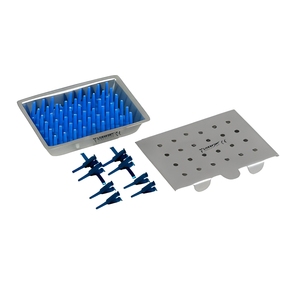 Neurosurgery
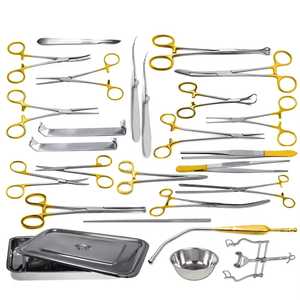 General Surgery
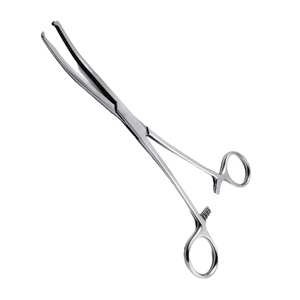 Hemostasis
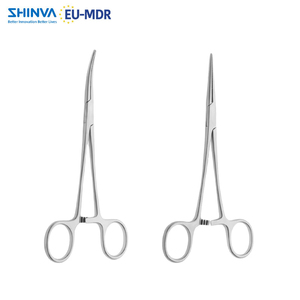 Forceps
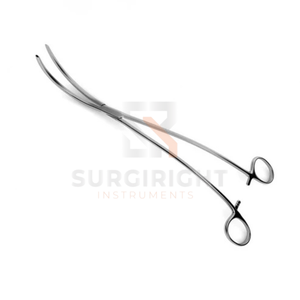 Colorectal
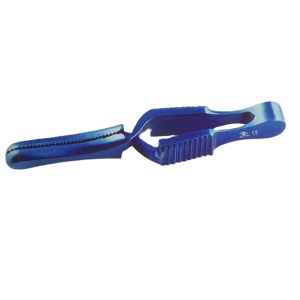 Ophthalmic
 Veterinary
 Vascular Set
A comprehensive technical evaluation of jaw leverage mechanics, martensitic steel heat treatment, and biting efficiency for orthopedic and neurosurgical bone gouging instruments supplied to European healthcare markets.
Dual-fulcrum compound leverage mechanisms amplify surgeon hand force by up to 4:1. This allows smooth, fatigue-free excision of dense cortical bone and intervertebral disc material during prolonged spinal laminectomy operations.
Utilizing controlled vacuum furnaces, our bone rongeurs achieve an exact tip hardness of HRC 54 to 58. This prevents jaw tip deformation, burring, or slippage when gouging stubborn osteophytes and calcar bone structure.
Every rongeur undergoes automated ultrasonic degreasing and citric acid electrochemical passivation to build an impervious chromium oxide layer, guaranteeing high resistance to pitting and rust during repeated CSSD autoclave cycles.
Bone rongeurs represent one of the most mechanically demanding categories of surgical hand instruments. Unlike standard hemostatic forceps or dissecting scissors, a bone rongeur must withstand intense shear stress and compressive load while cleanly biting through rigid cortical bone, cartilage, and fibrotic tendon attachments. As an established exporter supplying Spanish hospital networks and medical device distributors across Western Europe, S.S. Surgimed engineers Kerrison Punch Rongeurs, Beyer Rongeurs, Ruskin Double-Action Rongeurs, and Luer-Stille patterns engineered specifically to eliminate micro-flexure and maintain jaw alignment over years of clinical service.
The operational longevity of a bone rongeur depends on chemical composition and heat-treatment grain structure. We source heat-traceable stainless steel bars from accredited German and Japanese mills, selecting specific martensitic and austenitic grades based on functional requirements:
| Steel Grade Standard | DIN / EN Equivalent | Hardness (HRC) | Primary Instrument Application | Key Metallurgical Property |
|---|---|---|---|---|
| AISI 420B / 420C | 1.4028 / 1.4034 | 52 – 56 HRC | Kerrison Rongeur Shafts, Single-Action Jaws | High yield strength with optimum fracture toughness under impact loading. |
| AISI 440C | 1.4125 | 56 – 59 HRC | Heavy-Duty Double-Action Bone Cutters & Rongeurs | Exceptional carbon & chromium ratio for ultra-sharp, wear-resistant cutting cups. |
| AISI 304 / 316L | 1.4301 / 1.4404 | Non-Martensitic | Sterilization Trays, Holloware, Non-Cutting Handles | Austenitic matrix providing superior chemical immunity against aggressive decontaminants. |
| Titanium Nitride (TiN) | PVD Coating | > 2000 HV | Non-Reflective Neurosurgical Kerrison Punches | Ceramic surface layer that reduces glare under operating microscopes and lowers friction. |
How high-grade bone rongeurs and precision clamping sets integrate into clinical workflows across Autonomous Communities in Spain, serving public health services (SNS) and private hospital networks.
Spain’s decentralized public health framework—including SERMAS (Madrid), CatSalut (Catalonia), SAS (Andalucía), and Conselleria de Sanitat (Valencia)—demands high-throughput surgical instruments capable of continuous decontamination. Our CE-certified rongeurs and hemostatic clamps are optimized for central sterile supply departments (CSSD / Central de Esterilización) utilizing automated washer-disinfectors and 134°C vacuum steam autoclaves.
Leading private healthcare providers in Spain—such as Quirónsalud, Vithas, HM Hospitales, and Sanitas—require surgical instruments that blend elite tactile feedback with cost-efficient total cost of ownership (TCO). Our bone rongeurs feature ergonomic gold-accented or satin-finished handles that reduce hand strain during high-volume ambulatory surgery (CMA - Cirugía Mayor Ambulatoria).
The Spanish market for surgical instruments is undergoing a structural transition driven by strict European Union regulations, demographic shifts, and modern procurement strategies. Key drivers shaping Spanish importer and hospital preferences include:
Spanish health authority AEMPS (Agencia Española de Medicamentos y Productos Sanitarios) strictly enforces EU MDR compliance. All instruments exported to Spain must carry verified Class I CE marking, full technical documentation, and EC REP European representation.
Spanish CSSD units are rapidly adopting automated 2D DataMatrix laser-etched UDI (Unique Device Identification) scanning to monitor instrument usage, sterilization cycles, and tray assembly accurate down to individual serial numbers.
Spain has one of the highest life expectancy rates in Europe, driving an increasing volume of degenerative disc disease, spinal stenosis, and joint replacement surgeries, directly boosting demand for long-lasting bone rongeurs.
Operating from Sialkot's world-renowned surgical manufacturing hub, S.S. Surgimed combines multi-generational forging craftsmanship with state-of-the-art 5-axis CNC machining and rigid Quality Assurance standards.
Unlike trading intermediaries, S.S. Surgimed executes every production step under one ISO 13485:2016 certified roof. From raw forging die design and precision CNC milling to vacuum heat treatment, hand alignment, and laser etching, complete process control ensures batch-to-batch consistency for OEM partners in Spain.
We streamline import clearance into Spanish ports (Barcelona, Valencia, Bilbao, Madrid) by providing complete compliance dossiers. Importers receive full support for local AEMPS registry submission, including Declarations of Conformity, EUDAMED actor registration data, and certified ISO audit reports.
Essential information regarding regulatory compliance, ordering, custom branding, and import logistics for surgical distributors and hospital procurement officers in Spain.
Our complete line of surgical bone rongeurs and hemostatic instruments holds CE Marking as Class I Reusable Medical Devices under EU MDR 2017/745. We maintain an active EUDAMED registration, an appointed EC Representative (EC REP) in the European Union, and supply complete Technical Documentation Files along with Declarations of Conformity necessary for Spanish importers to register products with the AEMPS (Agencia Española de Medicamentos y Productos Sanitarios).
We forge our bone rongeur cutting cups and jaws from high-grade German and Japanese martensitic stainless steels, specifically AISI 420 (1.4028) and AISI 440C (1.4125). These alloys undergo computer-controlled vacuum heat treatment to achieve a hardness profile of HRC 54–58. This precise thermal treatment provides maximum hardness required to cut dense cortical bone without brittleness or tip chipping.
Yes. We provide comprehensive OEM private label production for Spanish medical device companies and tender suppliers. Using fiber laser marking systems, we permanently mark instruments with your company logo, catalog references, LOT batch codes, GS1-compliant UDI DataMatrix codes, and custom text in Spanish (e.g., "Inoxidable / CE").
For trial orders and standard catalogue patterns (such as Kerrison Rongeurs, Kelly Forceps, and DeBakey Clamps), our minimum order quantity starts from just 10 pieces per item. Repeat bulk orders typically dispatch within 15 to 25 working days. Express air freight shipments to Madrid (MAD) or Barcelona (BCN) arrive within 4–6 business days after dispatch.
Absolutely. Every instrument undergoes automated ultrasonic cleaning and electrochemical citric passivation per ISO 16061 and ASTM F1089 standards. Our reusable instruments are fully validated to withstand repeated 134°C steam sterilization cycles in Spanish hospital CSSD departments and are backed by a lifetime functional warranty against manufacturing defects.
Double-action bone rongeurs incorporate a secondary mechanical pivot point that provides compound leverage, reducing the physical hand pressure required by the surgeon by roughly 50%. This compound action is ideal for heavy orthopedic bone gouging (e.g., Ruskin or Luer-Stille patterns). Single-action rongeurs (e.g., Beyer or Micro-Luer) offer a slimmer profile and direct tactile feedback suited for delicate maxillofacial or pediatric bone manipulation.
Expand your surgical product portfolio in Spain with certified, high-precision bone rongeurs, neurosurgical clamps, and orthopedic hand tools manufactured under strict ISO 13485:2016 standards.