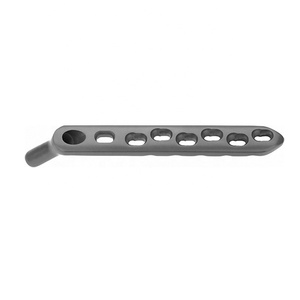
Trauma Fixation
 Surgical · Dental · Precision Instruments
 Explore our flagship trauma plates, maxillofacial mesh systems, endobutton anchors, and total hip prostheses engineered for rigorous clinical performance in Nagoya operating suites.
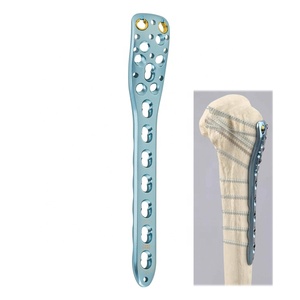
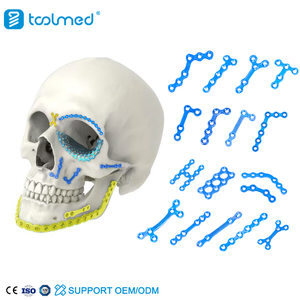
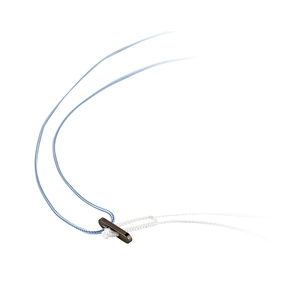
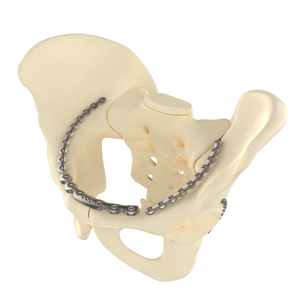
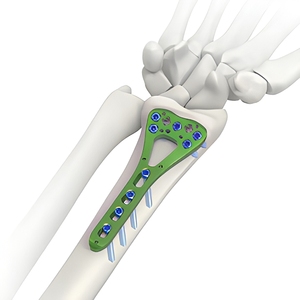
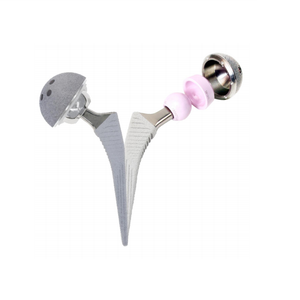
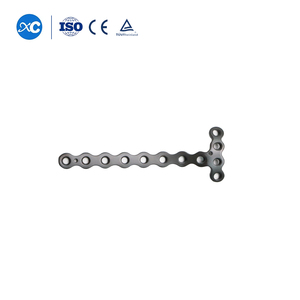
Strategic deployment of high-tier titanium and stainless steel fracture fixation systems across major hospital networks in Aichi Prefecture and the greater Tokai industrial zone.
Nagoya’s demographic structure features a rapidly expanding senior population, driving elevated hospital admissions for trochanteric, femoral neck, and distal radius fractures. Osteoporotic bone presents severe biomechanical fixation challenges, requiring advanced screw-to-plate locking stability.
As Japan's premier manufacturing and automotive hub, the Chubu/Nagoya region exhibits distinct emergency clinical demands involving complex high-energy polytrauma, severe pelvic ring fractures, and multi-fragmentary humeral shaft fractures.
Nagoya’s specialized sports surgery clinics require low-profile implant hardware engineered for tissue preservation, rapid graft incorporation, and arthroscopic compatibility.
Driven by the necessity for joint-sparing procedures with long-term osteointegration, Nagoya arthroplasty specialists favor cementless femoral stems featuring advanced porous surfaces.
An authoritative analysis of regulatory alignment, robotic navigation integration, and material innovations driving orthopedic surgery across the Tokai Region.
Japanese medical device distributors operating in Aichi Prefecture prioritize foreign manufacturers whose production plants hold ISO 13485:2016 certification and valid CE Mark certificates under the MDR. By leveraging robust STED (Summary Technical Documentation) dossiers, cleanroom bioburden validation protocols, and standardized mechanical test data (ASTM F382 / ASTM F136), Japanese importers can streamlined PMDA Ninsho (third-party certification) and Shonin (MHLW approval) registration procedures.
Nagoya is globally renowned for robotics and automation engineering. This technological leadership extends into operating suites, where university hospitals heavily utilize CT-based 3D preoperative planning software and surgical robots. Implants with strict dimensional tolerances (±0.01mm) machined via multi-axis CNC technology ensure high fidelity when matched against virtual 3D bone models and robotic reaming trajectories.
To eliminate post-operative nickel allergic reactions and maximize MRI/CT artifact reduction, Nagoya surgeons are phasing out traditional stainless steel in favor of unalloyed Grade 2/4 Pure Titanium (ASTM F67) for trauma plates and Ti-6Al-4V ELI (Extra Low Interstitial, ASTM F136) for load-bearing locking screws and joint stems. Titanium’s modulus of elasticity (~110 GPa) aligns significantly closer to human cortical bone (~18 GPa) than stainless steel (~200 GPa), drastically lowering stress-shielding risks.
Supply chain reliability is paramount for Nagoya hospital purchasing groups (GPOs). Direct freight connections via Port of Nagoya (Japan's largest maritime cargo gateway) and air cargo through Chubu Centrair International Airport (NGO) demand standardized laser-etched UDI (Unique Device Identification) Data Matrix codes for instant inventory scanning and traceability in hospital central sterile services departments (CSSD).
Comprehensive technical parameters for medical grade raw materials, heat treatments, and surface passivation standards applied to our orthopedic implant series.
| Parameter / Standard | Titanium Alloy (Ti-6Al-4V ELI) | Pure Titanium (Grade 2 / Grade 4) | Surgical Stainless Steel (316L) |
|---|---|---|---|
| International Standard | ASTM F136 / ISO 5832-3 | ASTM F67 / ISO 5832-2 | ASTM F138 / ISO 5832-1 |
| Ultimate Tensile Strength (MPa) | ≥ 860 MPa | ≥ 483 - 680 MPa | ≥ 860 MPa (Cold Worked) |
| Yield Strength 0.2% (MPa) | ≥ 795 MPa | ≥ 383 - 520 MPa | ≥ 690 MPa |
| Modulus of Elasticity (GPa) | ~ 110 GPa | ~ 105 GPa | ~ 200 GPa |
| Biocompatibility Profile | Exceptional, zero nickel, high osteointegration | Maximum tissue tolerance, low stiffness | Proven clinical history, high fatigue limit |
| Surface Treatment Options | Type II Anodization, Micro-arc Oxidation | Electropolishing, Citric Acid Passivation | Vacuum mirror polish, Electro-passivation |
| Manufacturing Process | 5-Axis Swiss CNC Milling, Wire EDM | Precision Die Forging, CNC Machining | Vacuum Heat Treatment, Hand Finishing |
| Sterilization Validation | Autoclave 134°C / Gamma Irradiation | Autoclave 134°C / Gamma Irradiation | Autoclave 134°C (18 Min Steam Cycle) |
Combining decades of precision forging expertise with international regulatory compliance, state-of-the-art vacuum heat treatment, and end-to-end quality assurance.
Every batch of titanium bar stock and stainless steel originates strictly from accredited medical-grade mills. Each lot is accompanied by certified mill test reports detailing chemical composition, grain size analysis, and tensile strength. Hardness and metallurgical structure are verified in-house upon raw material arrival.
To eliminate surface oxidation, micro-cracking, and internal stress vectors, all load-bearing implants and locking bone plates undergo controlled vacuum hardening and tempering cycles. This process yields optimal fatigue endurance limits, guaranteeing ratchets, threads, and plate hinge areas endure prolonged anatomical loading without structural failure.
Corrosion resistance in biological environments depends on a uniform chromium oxide passive film. Implants undergo automated ultrasonic detergent washing followed by citric acid passivation per ASTM F86 standards. Satin matte, mirror polish, or color-coded Type II anodization are applied to facilitate intraoperative size identification.
Finished implants are processed in certified ISO Class 7 cleanrooms for bioburden control prior to primary packaging. High-precision fiber laser systems etch custom brand logos, catalog reference numbers, production LOT numbers, and high-density UDI Data Matrix barcodes for seamless integration into hospital ERP software.
Clear responses addressing regulatory compliance, shipping logistics, private labeling programs, and quality documentation for Japanese medical device buyers.
Our complete orthopedic product line is manufactured under an ISO 13485:2016 certified Quality Management System and carries full CE Mark technical dossiers (EU MDR 2017/745). For medical device importers in Nagoya and throughout Japan, we supply complete Summary Technical Documentation (STED), biocompatibility reports (ISO 10993), mechanical fatigue test data (ASTM F382/F543), and cleanroom sterilization validation files necessary for seamless PMDA Ninsho or Shonin application submissions.
We manufacture trauma bone plates using pure titanium (Grade 2 and Grade 4 per ASTM F67) for superior anatomical moldability and biocompatibility, as well as Ti-6Al-4V ELI titanium alloy (Grade 23 per ASTM F136 / ISO 5832-3) for high-load locking screws, spinal rods, and endobutton implants requiring maximum yield strength and micro-motion resistance.
Standard catalog orders ship within 15 to 25 working days following contract approval. For urgent hospital tenders or consignment stock replenishment in Aichi Prefecture, air freight shipments dispatched directly to Chubu Centrair International Airport (NGO) arrive in 3 to 5 business days. Sea freight shipments routed through the Port of Nagoya typically require 12 to 16 days transit time.
Yes. We offer turnkey OEM/ODM services for Japanese medical device companies. This includes custom implant contouring based on 3D DICOM data, specialized fiber laser marking (brand logos, catalog codes, LOT numbers, GS1 UDI matrix), custom anodization color-coding, and client-specific blister or pouch packaging complete with Japanese-language IFU (Instructions for Use) inserts.
To support market evaluations and clinical trial registrations, initial trial orders for standard catalog locking plates and screw systems start from as few as 10 pieces per pattern size. Bulk OEM production runs feature scalable tier pricing tailored to regional distribution volumes.
Elevate your clinical supply chain in Nagoya with CE-marked, ISO 13485 certified titanium implants engineered for uncompromised orthopedic performance. Request customized pricing, engineering drawings, and regulatory technical dossiers today.
Get a Quote