 Surgical · Dental · Precision Instruments Surgical · Dental · Precision Instruments
 Engineered from certified German martensitic stainless steel with micron-level tolerance for operating rooms, ambulatory surgical centres, and specialized clinics across Canada.
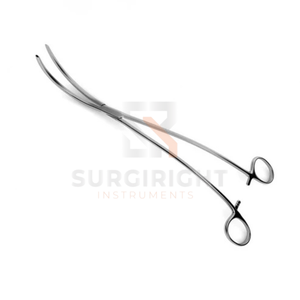
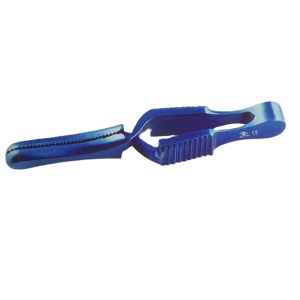
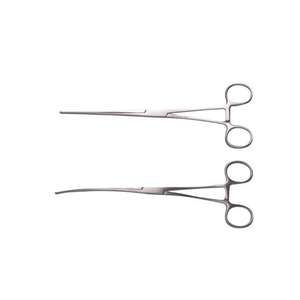
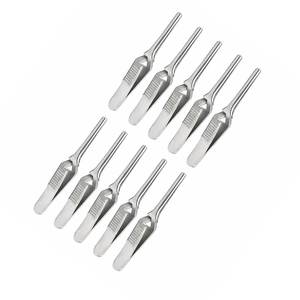
An in-depth evaluation of metallurgical compositions, cutting edge geometry, passivation mechanics, and compliance with Canadian regulatory frameworks.
In modern operative surgery across Canadian acute care networks—from Ontario’s University Health Network (UHN) to British Columbia’s Vancouver Coastal Health—the operational reliability of primary incision and dissecting tools is paramount. CE Certified Surgical Scissors represent a sophisticated convergence of metallurgical engineering, ergonomic weight distribution, and high-frequency sterilization resilience. As a premier direct-manufacturing partner and global exporter, our facility bridges the gap between high-overhead European pricing and uncompromising surgical precision, providing Canadian medical device importers, hospital procurement officers, and private label distributors direct factory access to premium surgical instrumentation.
The performance of surgical scissors relies fundamentally on the crystalline structure of the underlying alloy. Unlike generic hand tools, operating room scissors demand a delicate balance between high tensile strength, edge retention, and resistance to intergranular corrosion triggered by repeated high-temperature steam sterilization cycles (134°C autoclaving per Canadian CSA Z314 standards).
Our manufacturing processes utilize high-purity, vacuum-melted German and Japanese stainless steel alloys, classified according to rigid international medical standards:
| Alloy Grade / Specification | Hardness Rating (HRC) | Primary Surgical Application | Sterilization Tolerance (CSA Z314) |
|---|---|---|---|
| AISI 420B Martensitic Steel | 50 – 52 HRC | General Dissecting & Bandage Scissors | Autoclavable up to 134°C (Steam/Flash) |
| AISI 420C High-Tempered Steel | 53 – 55 HRC | Iris, Strabismus & Delicate Tissue Scissors | Autoclavable up to 134°C (Steam/Flash) |
| Sintered Tungsten Carbide (TC) | 70 – 72 HRC (Equivalent) | Mayo-Stille, Metzenbaum Heavy-Duty Scissors | Thermal Shock Resistant / Steam Autoclave |
| AISI 316L Austenitic Steel | Non-Magnetic Core | Holloware, Trays & Non-Cutting Handles | High Chemical & Corrosion Resistance |
Dynamic tissue interaction varies significantly depending on anatomical density and pathology. To prevent tissue slippage during critical transections, our factory produces specialized blade geometries specifically requested by Canadian surgical specialists:
Micro-Serrated Blades: One blade edge is laser-etched with microscopic serrations (up to 50 teeth per inch). These micro-teeth gently lock smooth, slippery vascular or soft tissues in place, preventing forward displacement while the opposing honed blade executes a smooth, clean shear action. This design is exceptionally popular in cardiovascular and plastic surgery suites across Alberta and Quebec.
SuperCut Honing Precision: Designed for effortless anatomical dissection, SuperCut scissors feature one razor-sharp knife edge and one micro-serrated opposing edge. This configuration delivers unprecedented tactile feedback to the surgeon, reducing hand fatigue during prolonged procedures.
Microprocessor-controlled computer furnaces eliminate surface oxidation, ensuring uniform grain structure and optimal hardness across every pair of scissors.
Automated chemical passivation removes free iron particles from the stainless surface, cultivating a dense, self-healing Chromium Oxide (Cr2O3) passive layer.
High-resolution fiber laser marking for Unique Device Identification (UDI), LOT numbers, and QR matrix tracking compatible with Canadian hospital inventory systems.
Customized instrumentation solutions engineered for diverse healthcare facilities across Canadian provinces.
Major tertiary teaching hospitals, such as those within Toronto's University Health Network (UHN) or Montreal's McGill University Health Centre (MUHC), require high-durability, autoclavable general surgery scissors (Mayo, Metzenbaum, DeBakey) capable of supporting heavy daily case volumes and rigorous Central Sterile Supply Department (CSSD) reprocessing.
Private plastic surgery clinics, ophthalmic surgical suites, and non-hospital surgical facilities in Vancouver and Calgary demand ultra-fine microsurgical instruments (Vannas, Castroviejo, Iris scissors) with anti-glare satin or matte finishes to mitigate visual fatigue under modern LED operating microscopes.
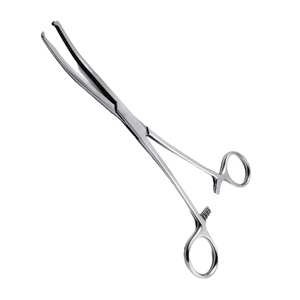
Canadian research institutions (e.g., University of Guelph Veterinary Health, University of British Columbia Life Sciences) rely on specialized curved hemostatic clamps, micro-vascular clamps, and corrosion-resistant dissection tools built to withstand rigorous experimental and veterinary surgical procedures.
Key market drivers reshaping surgical supply chains across Canada in 2025 and beyond.
The Canadian medical device sector is undergoing structural changes driven by regulatory harmonization, environmental mandates, and supply chain vulnerability awareness post-global disruptions. Canadian healthcare procurement boards are transitioning away from fragmented sourcing toward verified, ISO 13485-certified direct-factory partners capable of delivering validated quality documentation.
Combining traditional hand-craftsmanship with modern CNC automated manufacturing under internationally audited quality management systems.
From drop-forging certified steel bars to 5-axis CNC machining, vacuum heat treatment, and hand-finishing—100% of production processes are retained inside our state-of-the-art facility in Sialkot, Pakistan.
Our Quality Management System is independently audited and certified for the design, manufacture, and export of reusable and single-use surgical, dental, and specialized instruments.
We empower Canadian distributors with customized packaging design, multilingual Instructions for Use (IFU), precise laser UDI branding, and tailored container shipment scheduling.
Addressing common regulatory, technical, and logistical inquiries from Canadian healthcare purchasers.
Yes. Reusable surgical instruments such as scissors and clamps are classified as Class I medical devices under Health Canada's Risk Classification Rules. Our factory operates under ISO 13485:2016 certification and maintains complete CE Technical Files. Canadian importers holding a Medical Device Establishment License (MDEL) can seamlessly list and import our products into Canada.
We primarily forge cutting instruments from certified AISI 420B, 420C, and 440C martensitic stainless steel imported with mill certificates. For heavy-duty surgical scissors, we offer high-density Tungsten Carbide (TC) jaws seamlessly bonded to ensure long-term edge retention through hundreds of sterilization cycles.
Every pair of scissors undergoes an automated multi-stage ultrasonic cleaning process followed by citric acid chemical passivation. This treatment removes surface free iron and forms a non-reactive chromium oxide passive layer, fully meeting international ASTM F1089 standard test methods for corrosion resistance in surgical instruments.
Absolutley. We offer precision fiber laser marking for your custom brand logo, catalogue reference code, lot number, and GS1-compliant 2D UDI DataMatrix codes directly onto the instrument surface without altering the ergonomic feel or anti-corrosive properties.
Standard catalogue trial orders ship within 15 working days. Large production runs or custom OEM contracts typically dispatch within 3 to 4 weeks. Air freight shipments to major Canadian hubs (Toronto Pearson YYZ, Vancouver YVR, Montreal YUL) arrive within 5–7 business days via courier or freight forwarding partners.
Partner directly with an ISO 13485 certified manufacturer. Elevate your medical supply catalog with CE-marked surgical scissors and clamps tailored for Canadian operating rooms.