 Surgical · Dental · Precision Instruments Surgical · Dental · Precision Instruments
 CE Class I & ISO 13485:2016 Certified Surgical Instruments Supplied Directly to Dhaka, Chittagong, and Sylhet Healthcare Hubs
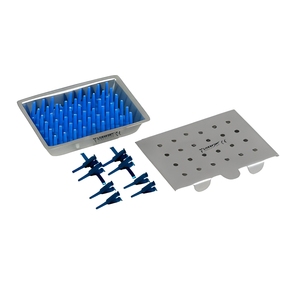
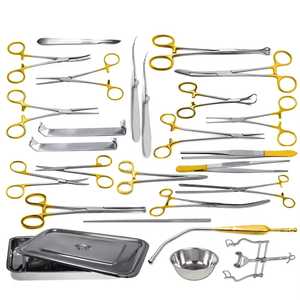
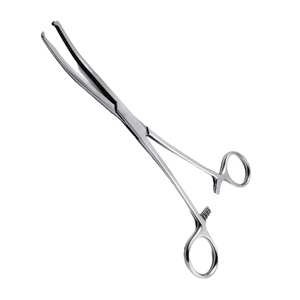
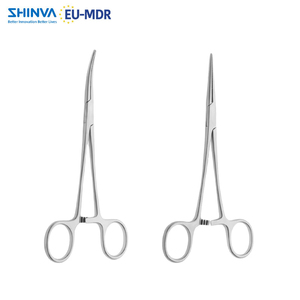
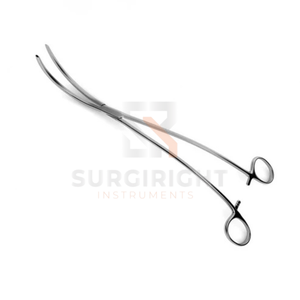
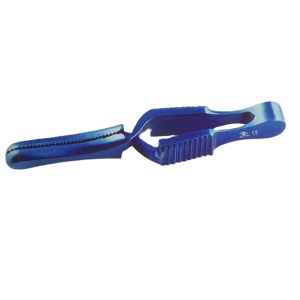
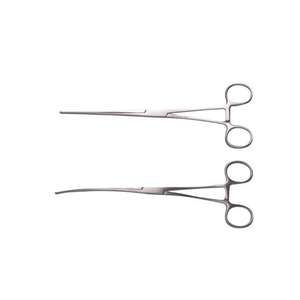
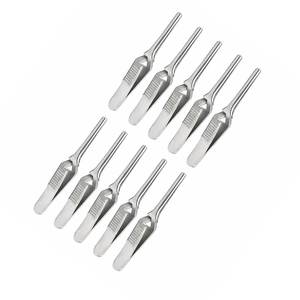
The healthcare infrastructure across Bangladesh is undergoing a rapid technological transformation. From established tertiary care institutes like Bangabandhu Sheikh Mujib Medical University (BSMMU) and Dhaka Medical College Hospital to specialized private healthcare facilities in Chittagong, Sylhet, and Rajshahi, the demand for high-precision micro-surgical instrumentation has surged exponentially. Among critical cutting instruments, Iris Scissors represent a fundamental tool requiring meticulous engineering, uncompromised metallurgical purity, and precise razor-edge sharpening.
Originally designed for delicate ophthalmic procedures such as iridectomy and capsulotomy, modern Iris Scissors are now universally utilized across micro-vascular surgery, plastic and reconstructive procedures, pediatric surgery, and general soft-tissue dissection. As leading medical equipment importers and hospital procurement boards in Bangladesh seek reliable international manufacturing partners, China’s top-tier surgical instrument OEM manufacturers have emerged as the preferred origin. By combining advanced CNC micro-milling, vacuum heat treatment technology, and strict compliance with European CE and ISO 13485:2016 quality standards, top Chinese exporters offer an optimal ratio of technical precision, durability, and cost-efficiency.
This comprehensive industry whitepaper analyzes the engineering metallurgy, manufacturing protocols, Bangladeshi regulatory landscapes (DGDA), and localized clinical application scenarios for Iris Scissors and micro-surgical clamp sets imported from China.
Surgical scissors designed for fine tissue dissection must fulfill two conflicting requirements: retaining an ultra-sharp cutting edge while exhibiting sufficient ductility to withstand torsional mechanical stress without tip fracture. Premier Chinese manufacturers utilize certified martensitic surgical stainless steel grades, specifically AISI 420J2, AISI 420B, and AISI 440A, imported from qualified steel mills accompanied by mill test certificates (MTC).
Fabricated from high-carbon martensitic stainless steel containing 12-14% Chromium. High chromium content creates a self-healing passive chromium oxide layer that protects against intergranular pitting corrosion during hot steam sterilization cycles.
Processed through computer-controlled vacuum hardening furnaces followed by sub-zero cryogenic quenching. This ensures an exact hardness profile of 52-56 HRC (Rockwell Scale C), eliminating edge dulling even after hundreds of autoclave procedures.
Advanced variants feature micro-serrated lower blades paired with razor-sharp upper blades (SuperCut technology) or sintered Tungsten Carbide (TC) gold-ring inserts brazed with silver alloy for ultra-long cutting retention.
| Specification Parameter | Standard Iris Scissors Pattern | SuperCut Micro Iris Scissors | Tungsten Carbide (TC) Iris Scissors |
|---|---|---|---|
| Primary Steel Grade | Martensitic AISI 420J2 | High-Carbon AISI 420B / 440A | AISI 420 Body + YG8 TC Blade Inserts |
| Hardness (Rockwell C) | HRC 50 – 53 | HRC 54 – 56 | HRC 68 – 72 (At TC Cutting Edge) |
| Blade Geometry Options | Straight / Curved (Fine Tips) | One Micro-Serrated / One Knife Edge | Beveled Precision Smooth Edge |
| Overall Lengths (OAL) | 90mm, 115mm, 125mm | 115mm, 125mm | 115mm, 125mm |
| Surface Passivation | Citric Acid Passivation (ASTM A967) | Electro-Polished Satin / Matte Finish | Satin Finish with Gold-Plated Handles |
| Autoclave Resistance | 134°C Steam Sterilization (20 min) | 134°C Steam Sterilization (20 min) | 134°C Steam Sterilization (20 min) |
| Traceability Marking | Laser Etched Ref No. & LOT Code | Laser Etched UDI Data Matrix Code | Laser Etched Brand, CE, LOT & UDI Code |
Surgical practices in Bangladesh vary significantly depending on institutional tiers, clinical specialties, and regional resource distributions. Importing high-quality Chinese Iris Scissors and associated micro-vascular hemostatic clamp sets addresses specific operational demands across primary, secondary, and tertiary clinical environments:
Ophthalmic surgeries are among the most frequently performed procedures in Bangladesh, supported by specialized eye hospitals such as Ispahani Islamia Eye Institute and National Institute of Ophthalmology (NIO) in Dhaka. Curved 115mm Iris Scissors with ultra-fine sharp tips are essential for cutting delicate conjunctival tissue, performing precise iridectomies, and trimming fine suture lines (9-0 and 10-0 monofilaments) without fraying or causing collateral tissue trauma.
With the rapid growth of specialized burn units, trauma centers, and plastic surgery departments across public medical colleges (e.g., Sheikh Hasina National Institute of Burn and Plastic Surgery), surgeons require micro-dissection tools. Straight and curved Iris Scissors, complemented by micro vascular bulldog clamps and Kelly hemostatic forceps, allow meticulous mobilization of small blood vessels and delicate skin flap preparation.
Pediatric anatomical structures require micro-instruments with small dimensions and exceptionally light handling characteristics. Chinese manufacturers export specialized 90mm short-shank Iris Scissors tailored for pediatric surgery departments in Chittagong Medical College and Sylhet MAG Osmani Medical College, ensuring maximum surgical control within limited anatomical corridors.
Medical education in Bangladesh is expanding rapidly with dozens of government and private medical institutions. Cost-effective yet durable surgical instruments from China allow medical colleges to equip dissection halls, skill laboratories, and resident training facilities with professional-grade stainless steel instruments, ensuring students train on authentic medical tools.
The medical device procurement market in Bangladesh has shifted from informal trading to structured, quality-controlled regulatory mechanisms. Importers, government tendering boards, and private healthcare buyers must navigate specific legal, financial, and logistical pathways when sourcing surgical instruments from Chinese manufacturing plants.
The Directorate General of Drug Administration (DGDA) under the Ministry of Health and Family Welfare mandates strict registration for medical devices. Importers sourcing from China must ensure manufacturers provide complete Technical Documentation, ISO 13485:2016 certificates, CE Declarations of Conformity, and Free Sale Certificates (FSC).
Government procurement through the Central Medical Maintenance Unit (CMMU) and Director General of Health Services (DGHS) prioritizes manufacturers capable of providing bulk, standardized surgical sets with laser-etched institutional identifiers, consistent material grades, and robust warranty guarantees against manufacturing defects.
Financial transactions are predominantly governed by irrevocable Letters of Credit (L/C at Sight) opened through leading Bangladeshi commercial banks (e.g., Sonali Bank, Prime Bank, Islami Bank). Logistics rely on established maritime routes connecting Shanghai or Ningbo ports to Chittagong Port (Chattogram ICD) or swift air freight to Hazrat Shahjalal International Airport (Dhaka).
As a distinguished Chinese manufacturer and global exporter of micro-surgical instruments, our production infrastructure is built on precision engineering, metallurgical rigour, and regulatory compliance tailored specifically for international markets and government tender standards.
We forge instruments exclusively from top-grade German and Japanese surgical stainless steel (AISI 410, 420, 440A). Every heat lot undergoes spectral chemical analysis to verify exact chromium, carbon, and nickel percentages, backed by original mill test certificates.
Our facility combines automated CNC 5-axis milling machines for precise box-lock, ratchet, and screw-joint geometries with hand-finishing by master artisans. Finger rings, tip alignment, micro-serrations, and edge honing are individually set and verified under optical magnification.
We offer comprehensive private label services for medical distributors in Bangladesh. Services include high-precision fiber-laser etching of custom logos, catalogue numbers, batch LOT codes, unique device identification (UDI) matrix codes, and localized blister packaging.
Every instrument undergoes multi-stage ultrasonic cleaning and controlled citric acid passivation per ASTM A967 standard guidelines. This builds a dense, impenetrable oxide layer that guarantees zero rust formation during steam autoclaving at 134°C.
We streamline the DGDA import registration process for our Bangladeshi trade partners by providing full regulatory dossiers, ISO 13485:2016 quality certificates, CE marking validation, EUDAMED registration data, and official Free Sale Certificates.
Demonstrating total confidence in our material purity and craftsmanship, all reusable surgical scissors, hemostats, and vascular clamps are backed by a lifetime functional guarantee against material flaws, corrosion, and workmanship defects under normal clinical use.
For standard reusable Iris Scissors, high-grade martensitic stainless steel AISI 420J2 is the industry benchmark, providing an ideal balance of hardness (HRC 50-53) and corrosion resistance. For high-volume surgical theaters or tender requirements where extended blade life is paramount, we recommend AISI 440A or Tungsten Carbide (TC) inset blades, which achieve edge hardness exceeding HRC 68.
We supply a complete regulatory document packet required by the Directorate General of Drug Administration (DGDA) in Bangladesh. This includes ISO 13485:2016 certificate, ISO 9001 certificate, CE Declaration of Conformity, Certificate of Free Sale (FSC) legalized by relevant commercial authorities, raw material mill certificates, and technical product catalogs with dimensioned drawings.
We fully support standard banking channels required by Bangladesh Bank regulation, primarily irrevocable Letter of Credit at Sight (L/C at Sight). We also accept TT (Telegraphic Transfer) for sample batches and smaller order volumes. Trade terms offered include FOB (Shanghai/Ningbo), CFR (Chittagong Port), and CIF (Chittagong/Dhaka Airport).
Yes. Every instrument undergoes automated ultrasonic cleaning and chemical passivation according to ASTM A967 standards. They are fully tested to endure repeated steam sterilisation cycles at 134°C for 20 minutes. Importers and hospitals are provided with official Care, Handling, and Decontamination Instructions (IFU) to maximize instrument lifespan in CSSD departments.
For standard catalogue patterns (Iris Scissors, Kelly Hemostats, Vascular Clamps), trial orders start from as low as 20 pieces per pattern. For OEM orders featuring custom brand laser marking, custom sizing, or localized packaging artwork, the standard production lead time is 15 to 25 working days following sample approval and L/C issuance.
Yes. We specialize in assembling complete, ready-to-sterilize surgical kits (e.g., General Surgery Sets, Ophthalmic Cataract Kits, Plastic Surgery Micro Sets, Appendectomy Kits) packaged in medical-grade stainless steel sterilizing trays or custom pouch packaging, complete with custom laser-etched kit codes.
Streamline your medical instrument procurement in Bangladesh with certified surgical grade steel, transparent pricing, DGDA compliance support, and uncompromised manufacturing precision. Contact our international export engineering team today for instant quotations, product samples, and technical dossiers.