 Surgical · Dental · Precision Instruments Surgical · Dental · Precision Instruments
 Manufactured in compliance with ISO 13485:2016 standards. Engineered specifically for fine tissue dissection, ophthalmic procedures, and micro-vascular surgery across Northern California healthcare networks.
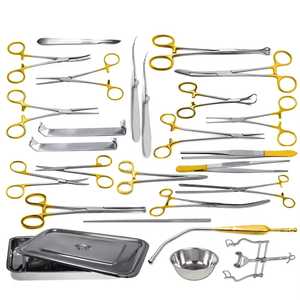
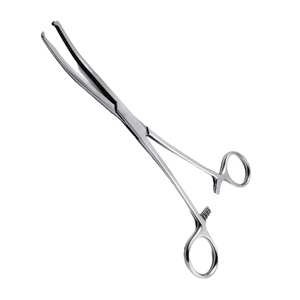
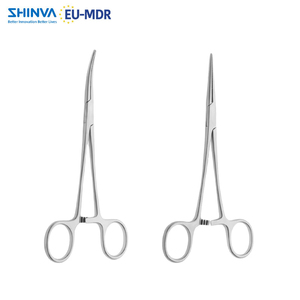
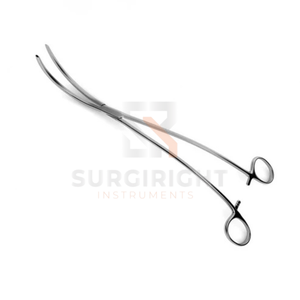
As premier medical device manufacturers and global exporters, our foundry and precision finishing facilities deliver medical-grade Iris Scissors and specialized surgical hand instruments directly to healthcare systems, ambulatory surgical centers (ASCs), and medical equipment distributors across San Francisco and Northern California. Designed originally for delicate ophthalmic procedures, contemporary micro-surgical applications demand that Iris Scissors deliver zero-tissues-slip cutting performance, exceptional corrosion resistance under harsh steam sterilization cycles, and unyielding tip alignment.
Our Iris Scissors are forged using premium grade AISI 420 (Martensitic) and AISI 440C German Stainless Steels, as well as tungsten carbide (TC) tipped variants. Unlike standard surgical shears, micro-iris cutting tools require razor-sharp, sub-millimeter blade tips that maintain structural rigidity during fine tissue dissection, tenotomy procedures, and delicate micro-vascular isolation. Every single scissor blade passes through 5-axis CNC grinding, hand-honing by senior artisans, and rigorous optical comparator inspections before undergoing electrochemical passivation per ASTM F1089 specifications.
For San Francisco hospital central sterile supply departments (CSSD) and surgical procurement heads, selecting the appropriate scissor material grade is critical to minimizing lifecycle costs and maximizing clinical performance. The table below outlines our technical manufacturing benchmarks:
| Specification / Feature | Standard Stainless Steel | SuperCut Micro-Serrated | Tungsten Carbide (TC) Gold Handle |
|---|---|---|---|
| Core Material Grade | AISI 420 / Japanese SUS 420J2 | AISI 420 Martensitic Steel | AISI 420 Body + Tungsten Carbide Inlays |
| Rockwell Hardness (HRC) | 50 – 54 HRC | 54 – 56 HRC | 58 – 62 HRC (At Cutting Edge) |
| Blade Tip Geometry | Curved / Straight Delicate Sharp-Sharp | Razor Sharp Blade + Micro-Serrated Blade | Precision Honed TC Bonded Bevel |
| Autoclave Life Expectancy | 500+ Sterilization Cycles | 800+ Sterilization Cycles | 2,000+ Sterilization Cycles |
| Primary Clinical Use | General Suture Cutting, ER, Training | Ophthalmic, Plastic & Cosmetic Surgery | Neuro, Micro-Vascular & High-Frequency OR |
San Francisco represents one of the world's most advanced clinical, academic research, and surgical innovation ecosystems. Our Iris Scissors and micro-instrument kits are specifically tailored to meet the strict functional demands of Bay Area facilities.
In San Francisco’s top-tier ophthalmic centers, such as those affiliated with the UCSF Helen Diller Family Comprehensive Cancer Center and local outpatient eye surgery facilities, micro-iris scissors are vital for iris tissue excision, conjunctival incision, and strabismus correction. The 11.5cm curved sharp/sharp micro-tip configuration enables surgeons to operate with sub-millimeter tactile feedback without tearing delicate corneal layers.
San Francisco and Marin County host a dense concentration of high-end cosmetic and reconstructive plastic surgery ASCs. Surgeons require micro-scissors with SuperCut technology—featuring one razor-sharp edge and one micro-serrated edge that grips delicate subcutaneous tissue, preventing slippage during blepharoplasty, rhinoplasty, and facelift flap undermining.
Beyond clinical operating rooms, the South San Francisco biotechnology corridor—housing major pharmaceutical and life science institutes—requires ultra-fine stainless steel dissecting scissors for small animal tissue harvest, neuro-vascular isolation, and histological sample preparation. Our anti-magnetic, acid-resistant stainless steel instruments ensure contamination-free lab processing.
Dermatology clinics operating throughout San Francisco rely on sharp/sharp curved Iris Scissors for precise excision of skin lesions and excision layer trimming during Mohs micrographic skin cancer procedures. The high edge retention reduces tissue trauma and fosters faster cosmetic scarring recovery for patients.
Healthcare procurement in California, particularly within the San Francisco Bay Area, is undergoing a structural transformation driven by fiscal responsibility, environmental legislation, and supply chain risk management.
Aligned with San Francisco’s municipal Zero Waste goals and climate sustainability mandates, Northern California hospital systems are actively phasing out disposable plastic-handled instruments. Buyers prefer high-durability, reusable 100% German steel instruments that withstand 1,000+ steam autoclave cycles, drastically reducing hospital bio-waste volumes.
Rising operational overhead in California surgical centers has led procurement officers to bypass traditional multi-tiered U.S. distributors. By working directly with certified Chinese manufacturers, San Francisco buyers achieve 35% to 50% cost reductions without sacrificing ISO or FDA standards.
Under FDA Unique Device Identification (UDI) regulations and California medical supply chain traceability frameworks, all surgical instruments must feature high-contrast laser matrix codes. Our production lines seamlessly embed UDI data matrix codes, lot numbers, and custom brand marks directly onto the instrument body.
From raw steel billet forging to certified cleanroom export packaging, our manufacturing workflow ensures 100% batch consistency and zero-defect delivery.
1. Material Inspection & Traceability: Every batch of German AISI 420 steel arrives with mill test certificates verifying chemical composition (Chromium 12-14%, Carbon 0.15-0.40%).
2. Precision Hot Forging: Hydraulic forging dies shape raw steel into dense instrument blanks, reinforcing directional grain alignment for tip strength.
3. 5-Axis CNC Milling: Box locks, screw joints, finger rings, and blade profiles are machined within ±0.01mm tolerances.
4. Vacuum Thermal Hardening: Controlled vacuum heat treatment hardens blades to HRC 54+, preventing premature dulling and micro-chipping.
5. Artisan Hand Honing: Senior craftsmen adjust scissor tip convergence, ring alignment, and cut-feel tension manually.
6. Citric Chemical Passivation: Ultrasonic cleaning and passivation remove free iron particles, building an imperishable chromium oxide passive layer per ASTM F1089.
7. Laser UDI Marking: Fiber lasers mark custom logos, catalog references, and FDA-compliant 2D matrix identifiers.
8. Functional Cut Testing: Every pair of Iris Scissors must cut synthetic latex membrane, wet tissue paper, and suture threads cleanly to the extreme blade tip before packaging.
We provide full turn-key manufacturing partnerships for U.S. surgical brands, hospital supplier networks, and private-label distributors in San Francisco:
Direct answers regarding FDA regulations, shipping logistics to Northern California, material standards, and custom OEM ordering terms.
Request factory-direct wholesale pricing, OEM private-label catalogs, or schedule a technical consultation with our engineering team for the San Francisco market.