 Surgical · Dental · Precision Instruments Surgical · Dental · Precision Instruments
 High-precision stainless steel surgical clamps, vascular probes, and hemostats engineered for clinical, research, and industrial laboratory applications across Norwegian health trusts and research centers.
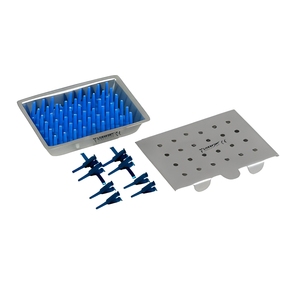
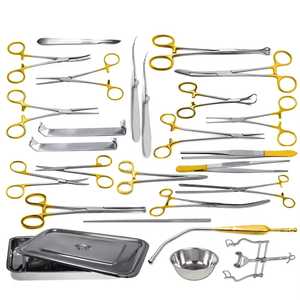
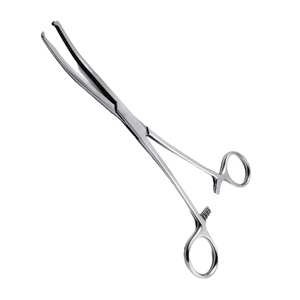
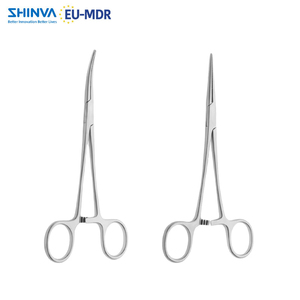
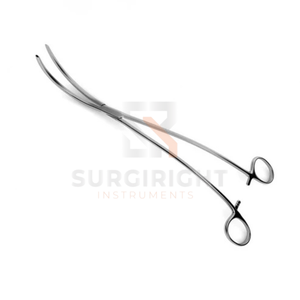
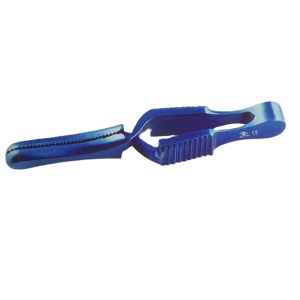
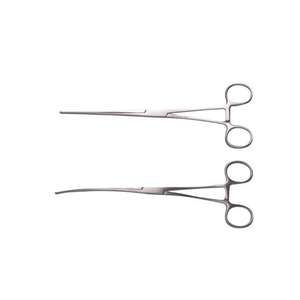
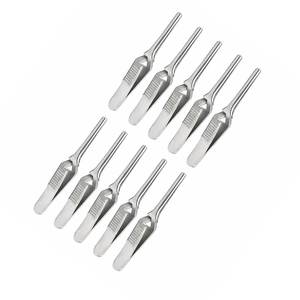
The Scandinavian life sciences sector, particularly within Norway’s regional health trusts (Helse Sør-Øst, Helse Vest, Helse Midt-Norge, and Helse Nord) alongside oceanographic research institutions like SINTEF Marine and the University of Oslo (UiO), operates under strict regulatory frameworks. Sourcing high-precision laboratory probes, surgical hemostats, and vascular clamps requires an in-depth understanding of material science, EU Medical Device Regulations (MDR 2017/745), and long-term durability under repetitive automated Central Sterile Supply Department (CSSD) processing.
As a premier OEM manufacturer and exporter supplying Nordic medical device distributors and laboratory buyers, our manufacturing ecosystem combines precision CNC machining, vacuum furnace heat treatment, and hand-finishing techniques. This document outlines the engineering specifications, metallurgical selection criteria, localized compliance workflows, and supply chain strategies tailored for Norwegian B2B importers.
Laboratory probes and surgical micro-clamps must maintain mechanical elasticity, tip alignment, and high corrosion resistance when subjected to aggressive bio-fluids, chemical reagents, and high-pressure steam autoclaving (134°C at 2.1 bar). We utilize certified German and Japanese stainless steel alloys, categorized by application:
| Material Grade | Hardness (HRC) | Corrosion Resistance | Primary Norway Application |
|---|---|---|---|
| AISI 420 (Martensitic) | 50 - 54 HRC | High (Passivated) | Surgical Hemostats, Kelly Clamps, Tissue Forceps |
| AISI 316L (Austenitic) | 18 - 25 HRC | Ultra-High (Acid Grade) | Marine Lab Probes, Holloware, Tray Containers |
| Ti-6Al-4V (Titanium) | 32 - 38 HRC | Immune to Saltwater/Acid | MRI-Compatible Micro-Probes, Micro-Clamps |
| German Stainless 440C | 56 - 60 HRC | Superior Edge Holding | Micro-Scissors, Fine Dissection Lab Needles |
Every laboratory probe and surgical clamp undergoes an eight-stage production workflow inside our ISO 13485:2016 certified manufacturing facility. To meet Norwegian high-purity demands, each instrument undergoes rigorous processing:
Vacuum Heat Treatment & Cryogenic Stabilization: Steel blanks are hardened in computer-controlled vacuum furnaces to eliminate surface oxidation. Cryogenic treatment (-80°C) is applied to transform retained austenite into martensite, ensuring dimensional stability and eliminating internal stresses that cause fatigue cracking over time.
Chemical Passivation & Electropolishing: Instruments are immersed in citric acid passivation baths per ASTM A967 standards to remove free iron from the surface. This promotes the instant formation of a uniform, chromium-rich oxide passive film, ensuring maximum resistance to blood stain, rust, and chemical degradation in CSSD steam washers.
100% Functional Inspection: Jaws, box locks, spring clips, and probe points undergo optical comparator inspection. Ratchet mechanisms are tested for smooth engagement and consistent clamping force to guarantee atraumatic occlusion during micro-vascular and lab research procedures.
Why Norwegian medical device distributors, university research labs, and private health groups trust our B2B export framework.
Full technical documentation, Declarations of Conformity, and EUDAMED registration. We supply complete regulatory files to simplify importation for Norwegian Authorized Representatives.
Direct laser engraving of UDI (Unique Device Identification) Data Matrix codes, client brand logos, product SKU numbers, and lot batch identification for full hospital traceability.
Streamlined export clearance from our manufacturing hubs to major Norwegian ports and cities including Oslo, Bergen, Stavanger, Trondheim, and Drammen under flexible Incoterms (FOB, CIF, DDP).
The demand for specialized laboratory probes and surgical instruments in Norway is driven by modern healthcare infrastructure investments, eco-conscious public purchasing standards, and expanding Arctic biotech research. Understanding these regional dynamics is crucial for wholesale procurement officers and medical importers.
In municipal hospitals and major medical university centers, such as Rikshospitalet Oslo and Haukeland University Hospital Bergen, high-precision surgical clamps and vascular probes are essential for complex procedures:
Importers supplying Norwegian public healthcare tenders must adapt to specific structural trends:
Direct answers regarding B2B procurement, material certifications, OEM customization, and Norway export compliance.
We manufacture instruments primarily using German and Japanese surgical-grade martensitic stainless steels (AISI 410, 420, 440C) for components requiring high hardness and sharp functional edges. For non-cutting laboratory probes, holloware, and chemical handling tools, we use acid-grade austenitic AISI 304 and 316L stainless steel. Titanium grade 5 is also available for MRI-compatible non-magnetic instruments. Each heat batch is delivered with material mill test reports.
Yes. Although Norway is an EEA member rather than an EU member, it adheres strictly to EU Medical Device Regulations (MDR 2017/745) enforced by the Norwegian Medical Products Agency (Direktoratet for medisinske produkter - DMP). Our Class I instruments carry the CE mark, complete technical files, Declarations of Conformity, EC REP (Authorized European Representative) registration, and EUDAMED database compliance.
Yes, we specialize in OEM and private label manufacturing. We provide custom high-precision fiber laser marking for corporate logos, catalog reference numbers, batch codes, and GS1-compliant UDI Data Matrix barcodes. We also offer custom packaging, custom color-anodized instrument identification rings, and multi-lingual Instructions for Use (IFU) tailored to your brand specifications.
For standard catalog instrument patterns, our minimum trial order quantity starts from 10 pieces per pattern. Bulk repeat production orders typically carry a lead time of 15 to 25 working days. For custom OEM designs or newly forged instrument patterns, first-article sample production takes 4 to 6 weeks, including dimensional inspection reports and material certification.
All reusable surgical and laboratory instruments undergo ultrasonic cleaning, electropolishing, and nitric/citric acid passivation. This creates an impermeable chromium oxide surface layer that withstands repeated steam autoclaving cycles at 134°C (2.1 bar) as well as exposure to alkaline enzymatic detergents without pitting, rusting, or joint stiffness. All reusable lines carry a lifetime functional guarantee against manufacturing defects.
Surgical instruments, hemostatic clamps, and lab probes are exported under HS Code 9018.90 (Medical, surgical, or laboratory instruments and appliances). We handle all export documentation including Commercial Invoice, Packing List, Certificate of Origin, and Free Sale Certificates. Goods can be dispatched via express air freight (DHL/FedEx/UPS) for urgent requirements or sea/air consolidated freight to Oslo, Brevik, or Bergen under FOB, CIF, or DDP Incoterms.
Looking for reliable wholesale pricing, custom OEM lab probe manufacturing, or high-grade stainless steel surgical instruments for the Norwegian market? Contact our international B2B sales office today for factory-direct quotes and sample evaluations.
Send an Inquiry