 Surgical · Dental · Precision Instruments Surgical · Dental · Precision Instruments
 Engineered from vacuum heat-treated AISI 410, 420, and 316L stainless steel. Certified for extreme autoclave durability, micrometric tension control, and ergonomic operational stability.
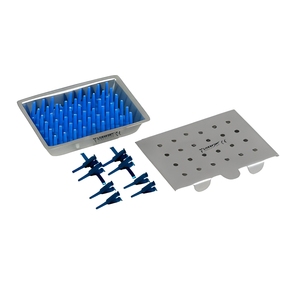
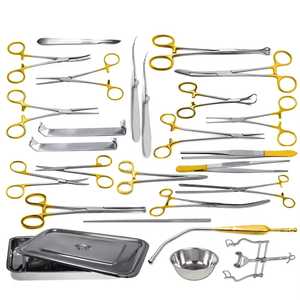
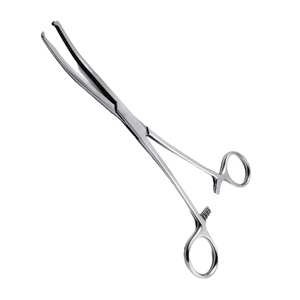
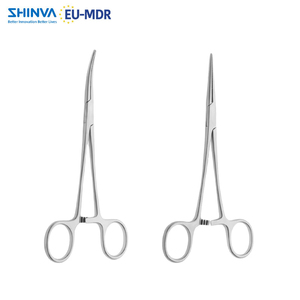
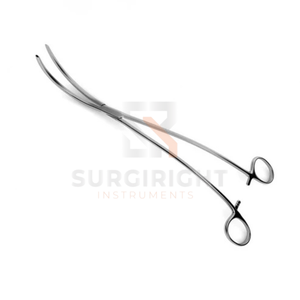
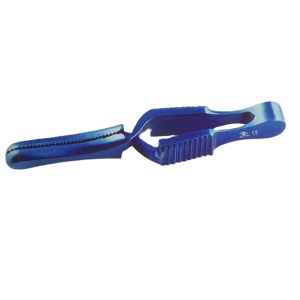
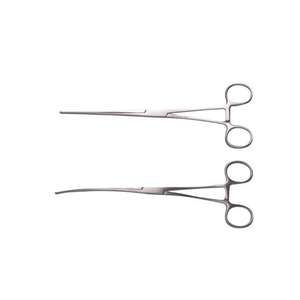
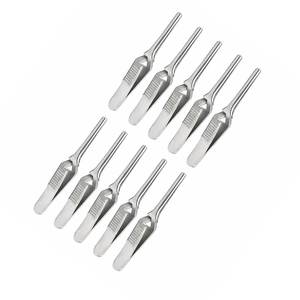
In modern prosthodontics, restorative dentistry, and implantology, the dimensional fidelity of a final dental impression depends directly on the mechanical rigidity and surface energy of the impression tray. As a leading primary manufacturer supplying distribution networks, clinical procurement groups, and hospital supply chains in Moscow, our production framework integrates high-grade metallurgical engineering with precision stamping, deep-drawing, and micro-perforation technologies.
Dental impression trays must withstand significant hydraulic pressures generated during the seat and insertion phases of high-viscosity elastomeric materials, such as Polyether, Vinyl Polysiloxane (VPS), and Addition Silicones. Flexure or micro-deformation of the tray sidewalls during gelation introduces elastic strain energy. When the tray is removed from the patient's oral cavity, this strain is released, resulting in subtle dimensional distortion of the impression mold. This distortion leads to ill-fitting prostheses, marginal discrepancies, and premature crown failures.
Our manufacturing facility operates specialized multi-stage cold-forging and progressive mechanical die stamping lines. Every tray pattern—ranging from Rim-Lock upper and lower sets, perforated edentulous trays, and water-cooled hydrocolloid units to sectioned dual-arch trays—is subjected to micro-finishing processes. Rim-Lock profiles are engineered with folded border retainers that create mechanical interlocks with impression materials, eliminating the risk of delamination during tray removal without reliance on chemical tray adhesives.
Building upon decades of manufacturing expertise in Sialkot and supplying specialized medical sectors across Europe and the Commonwealth of Independent States (CIS), our factory enforces rigorous quality control systems certified under ISO 13485:2016 and ISO 9001. Every instrument batch is tracked from raw material melt heat lots to final protective packaging.
We source certified German and Japanese stainless steel alloys. Martensitic steels (AISI 410, 420, 440) are used for sharp surgical cutting edges and high-tensile box locks, while non-magnetic Austenitic AISI 304 and 316 steels are applied to impression trays and hospital holloware to deliver ultimate corrosion immunity.
Instruments undergo thermal treatment in computer-controlled vacuum furnaces. Hardening and precise tempering cycles establish optimized Rockwell hardness (HRC) levels, preventing spring relaxation in ratchets, tip misalignment in forceps, and structural warpage in tray handles during heavy clinical usage.
Surface finishing involves automated ultrasonic cleaning followed by citric acid passivation. This creates an uninterrupted chromium-oxide (Cr₂O₃) protective boundary, safeguarding instruments against pitting and stress-corrosion cracking caused by aggressive chemical disinfectants and autoclaving at 134°C.
Our factory produces standard and custom tray geometries designed for seamless integration with clinical requirements across Moscow's public hospital networks, private dental chains, and specialized prosthodontic centers.
| Tray Category | Architectural Design | Material Composition | Retention Mechanism | Primary Clinical Application |
|---|---|---|---|---|
| Rim-Lock Regular Set | Full Arch (Upper #1-#4, Lower #1-#4) | AISI 304 Non-Magnetic Steel | Internal Peripheral Bead Rim | Crown & Bridge, Polyether Impressions |
| Perforated Dentate Tray | Anatomical Contour, Micro-Pores | Satin Finish Austenitic Steel | Precision Mechanical Keying | Alginate & Hydrocolloid Study Models |
| Edentulous Smooth Tray | Shallow Trough, Rounded Borders | Mirror-Polished AISI 316 | Adhesive / Compound Border Mold | Complete Removable Denture Fabrication |
| Implant Impression Tray | Segmented Retractable Wall Windows | High-Grade Rigid Steel Alloy | Direct Screw Access Ports | Open-Tray Pick-Up Implant Impressions |
| Water-Cooled Hydrocolloid | Integrated Dual Tube Circulation | Thermal Conductive Brass / Steel | Soldered Rim Lock Retainers | Reversible Hydrocolloid Precision Casts |
| Sectional Anterior / Posterior | Quadrant & Dual-Arch Sidewalls | Ultra-Thin Rigid Stainless Sheet | Microserrated Base Grid | Inlay, Onlay & Single Crown Restorations |
Moscow represents the largest medical technology market in Eastern Europe and the Eurasian Economic Union (EAEU). Sourcing requirements within the Moscow Metropolitan area—ranging from municipal medical centers managed by the Moscow Department of Healthcare (Департамент здравоохранения города Москвы) to prestigious private dental networks located in the Central Administrative Okrug (ЦАО)—demand strict adherence to structural durability and regulatory compliance.
In major Moscow medical centers like the Central Research Institute of Dentistry and Maxillofacial Surgery (ЦНИИС), instrument processing goes through high-capacity Central Sterile Services Departments (CSSD). Impression trays undergo rigorous thermal disinfection at 93°C, followed by forced steam autoclaving at 134°C under 2.1 bar pressure.
Our AISI 304 and 316 stainless steel trays are specifically passivated to endure harsh local cleaning protocols, including exposure to Russian-standard aldehyde-free disinfectant concentrates (e.g., formulations based on alkylamines and quaternary ammonium compounds). The seamless cold-drawn construction eliminates crevice sites where bioburden could accumulate, ensuring compliance with SanPiN 3.3686-21 hygiene standards.
Moscow’s leading commercial dental laboratories, clustered around major transport corridors like the Third Transport Ring (ТРК) and MKAD, rely on high-precision physical impressions for CAD/CAM extra-oral laser scanning. When working with complex full-arch implant restorations utilizing Multi-Unit abutments, minor tray flexure can compromise passive fit.
Our open-window implant impression trays feature rigid, non-yielding steel sidewalls. This structural stability enables prosthodontists in Moscow clinics to execute direct pick-up copings with absolute spatial precision, preventing misalignments that cause stress on integrated titanium implants.
The medical device procurement landscape in Moscow and the broader Russian Federation is undergoing a structural shift. Buying behaviors among distributors, tender managers, and clinical directors have evolved due to changing trade channels, macroeconomic adjustments, and regulatory standards.
Moscow-based dental importers and dental depots are increasingly bypassing intermediate European traders, opting for direct OEM/ODM partnerships with established manufacturing plants in Pakistan. Direct sourcing optimizes procurement costs while allowing custom branded laser marking and tailored packaging for local Eurasian distribution.
Regulatory acceptance within the Eurasian Customs Union (EAEU) demands comprehensive technical files, toxicological testing reports, and ISO 13485 certification audit trails. Our factory provides complete documentation packages, enabling Moscow importers to navigate registration procedures with Roszdravnadzor efficiently.
Driven by economic efficiency and environmental initiatives targeting medical waste reduction, Moscow clinics are transitioning away from single-use plastic trays back to premium reusable metal impression trays. High-grade stainless steel offers superior long-term cost-per-use metrics over thousands of sterilization cycles.
We offer complete private label programs designed for medical device brands, wholesale distributors, and hospital tender contractors operating in Moscow and CIS markets. Our modern manufacturing facility integrates advanced production technologies with skilled hand craftsmanship to deliver consistent quality across volume orders.
Whether your product portfolio requires specialized European Rim-Lock profiles, modified pediatric dimensions, or unique impression material micro-perforations, our in-house tool and die division builds custom stamping dies to your exact CAD/CAM drawings and physical sample specs.
Every production batch undergoes systematic inspection in accordance with Acceptable Quality Limit (AQL) standards prior to export clearance.
Partner with a trusted primary manufacturer for your Moscow supply chain needs.
Detailed technical and commercial guidance for medical device importers, wholesale buyers, and clinical purchasing departments in Moscow and the EAEU region.
We forge our instruments using certified surgical-grade martensitic stainless steel (AISI 410, 420, and 440) for functional jaw mechanisms, hinges, and sharp cutting edges. For impression trays, hospital holloware, and non-cutting handles, we use non-magnetic austenitic stainless steel (AISI 304 and 316). Every raw material lot is supplied with mill test certificates confirming chemical purity and tensile parameters.
Yes. We support Moscow importers by providing comprehensive technical documentation packages. This includes ISO 13485:2016 and ISO 9001 certificates, CE Declarations of Conformity, material safety data sheets (MSDS), toxicological test protocols, and detailed engineering drawings necessary for EAEU compliance and local registration processes.
For standard catalog items and impression tray patterns, trial orders start at 10 pieces per pattern. Standard repeat production orders are fulfilled within 15 to 25 working days. For custom OEM designs requiring new stamping dies or custom laser etching, initial sample prototyping takes 4 to 6 weeks including inspection sign-off.
Our stainless steel impression trays are passivated and electropolished to resist repeated decontamination, ultrasonic cleaning, and steam sterilization cycles at 134°C (2.1 bar pressure) in accordance with Russian SanPiN 3.3686-21 guidelines. They remain fully resistant to micro-pitting, corrosion, and discoloration when exposed to authorized hospital disinfectants.
Yes. Our in-house engineering and tooling division develops custom impression tray shapes, perforated arrangements, and specialized handles based on your technical specs. We produce custom trays for implantology, pediatric prosthodontics, edentulous arches, and orthognathic surgical planning.
We provide full private label solutions, including fiber laser marking of your brand logo, custom catalog reference codes, LOT numbers, and UDI data matrix codes. We also supply custom-printed packaging, multi-lingual Instructions for Use (IFU) inserts, and custom boxed sets tailored to your market needs.
Connect with our international export department to discuss OEM branding, review product samples, and secure factory-direct pricing for your Moscow distribution network.