 Surgical · Dental · Precision Instruments Surgical · Dental · Precision Instruments
 An authoritative analysis on metallurgical integrity, tissue trauma mitigation, regulatory compliance (UKCA/CE), and OEM manufacturing protocols for National Health Service (NHS) Trusts and private surgical providers across Greater London.
The surgical ecosystem across London—encompassing renowned NHS Foundation Trusts such as Imperial College Healthcare, Guy's and St Thomas', and Barts Health, alongside elite private centers along Harley Street—demands an uncompromising standard of surgical instrumentation. Within lower gastrointestinal, bariatric, and complex colorectal surgical procedures, intestinal forceps and tissue-holding clamps are quintessential tools. The structural performance of these instruments directly impacts intraoperative clamping pressure, bowel tissue viability, mucosal ischemia prevention, and mechanical closure security.
As direct manufacturing origins shifted toward precision-focused industrial hubs, sourcing directly from audited Intestinal Forceps Factories with dedicated metallurgical heat-treatment facilities has become a strategic priority for UK medical buyers. Direct OEM integration eliminates intermediary compounding costs while guaranteeing full batch traceability from forged steel billet to finished sterile-service tray. This technical guide outlines our manufacturing capabilities, metallurgical standards, product portfolio, and specialized application scenarios tailored specifically to the London surgical market.
Engineered for high repeatability, surgical ergonomics, and extreme durability under rigorous UK CSSD decontamination protocols.
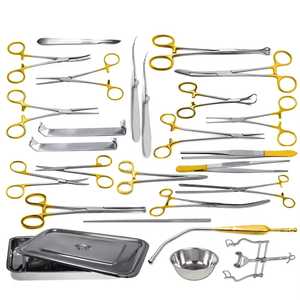
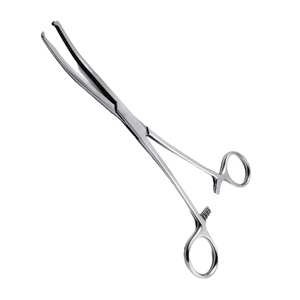
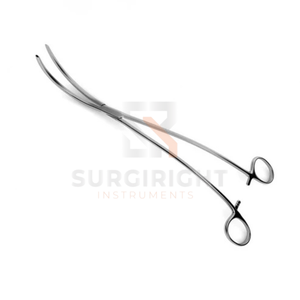
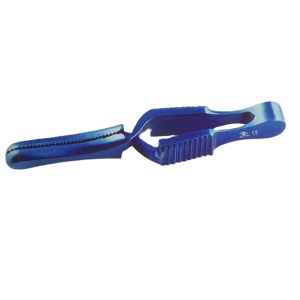
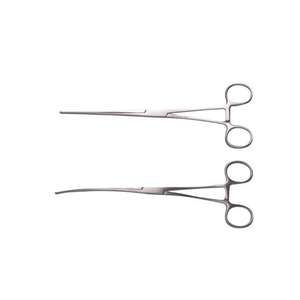
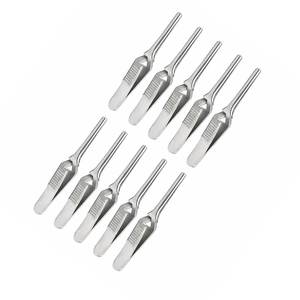
How raw steel forging, vacuum hardening, and surface electro-passivation dictate surgical performance in operating theatres.
We forge intestinal forceps utilizing certified German and Japanese martensitic stainless steels (AISI 410, 420, and 440A). These grades provide the requisite tensile strength (over 1600 MPa) and carbon balance to maintain razor-sharp serration definition and spring-back elasticity in the shanks without permanent deformation.
Instruments undergo computer-controlled vacuum heat treatment to achieve optimal Rockwell Hardness (42–48 HRC). This eliminates internal micro-voids, prevents brittle fracture under stress, and ensures that the ratchet mechanism locks securely across hundreds of autoclave thermal expansion cycles.
Intestinal wall integrity requires uniform force distribution. Our intestinal forceps feature custom-machined DeBakey atraumatic serrations and longitudinal ribbing. This design achieves mucosal clamping without occluding micro-vascular blood supply, significantly reducing postoperative tissue necrosis.
| Technical Parameter | Intestinal Forceps (Doyen, Mayo-Robson, Foss) | Standard Vascular & Hemostatic Clamps | Factory Testing Standard |
|---|---|---|---|
| Steel Grade | AISI 420 B / German DIN 1.4021 | AISI 410 / AISI 420 J2 | Spectrometer Heat Lot Verified (ASTM A276) |
| Jaw Surface Profile | Longitudinal Atraumatic / DeBakey Tooth Pattern | Cross-serrated / Diagonal Grooves | Optical Comparator Magnification (50x) |
| Rockwell Hardness (HRC) | 42 – 45 HRC (Flexible Shank) | 45 – 48 HRC (Rigid Closure) | Micro-Vickers Hardness Tester (ISO 6507) |
| Corrosion Resistance | Citric Acid Passivated (ASTM F1089) | Electro-Polished Satin / Mirror Finish | Boil Test & Copper Sulfate Immersion Test |
| Autoclave Cycle Rating | > 500 Steam Cycles at 134°C | > 500 Steam Cycles at 134°C | HTM 01-01 Decontamination Compliance |
Delivering precision clamping solutions structured for clinical workflows in NHS Trusts, private surgical suites, and medical research institutes.
In high-volume general surgical departments such as those at St Mark’s Hospital (Harrow, London)—a specialist international bowel disease center—and major acute surgical hospitals across Greater London, intestinal forceps like the Doyen and Foss anterior resection clamps are fundamental for low anterior resections, ileostomy creations, and emergency Hartmann's procedures. Direct factory sourcing allows Central Sterile Supply Departments (CSSD) to maintain fully stocked backup tray inventories without budgetary strain.
London's prestigious private healthcare sector demands flawless tactile feedback and sleek aesthetic finishing. Private clinics undertaking ambulatory bariatric procedures, laparoscopic conversion surgery, and abdominoplasty require micro-delicate vascular and bowel grasping clamps with satin non-glare finishes. Our custom OEM branding allows private facility networks to co-brand instruments with custom laser marking.
Institutions such as Imperial College London (Department of Surgery and Cancer) and University College London (UCL) conduct cutting-edge translational research into tissue transplantation and ischemic reperfusion. Micro-vascular clips, Pilling DeBakey bulldog clamps, and fine-tip hemostats supplied by our factory provide micro-calibrated clamping pressure required for surgical models and tissue engineering protocols.
The London Major Trauma System—operating across four key hubs (Royal London, St Mary's, King's College, and St George's)—requires rugged, high-reliability trauma laparotomy sets. Our heavy-duty stainless steel intestinal and hemostatic clamps are stress-tested to withstand rapid, high-pressure arterial and visceral occlusion during damage-control surgery.
1. Regulatory Migration (UKCA & MHRA Alignment): The transition from EU CE marking to the UK Conformity Assessed (UKCA) mark under the Medicines and Healthcare products Regulatory Agency (MHRA) has overhauled supply chain requirements. S.S. Surgimed maintains comprehensive technical documentation, EUDAMED registrations, and UK Authorized Representative oversight to ensure seamless regulatory approval for UK importers.
2. NHS Net Zero & Circular Supply Chains: With the NHS committed to reaching Net Zero carbon emissions by 2040, hospital procurement officers in London are re-evaluating the lifecycle impact of single-use versus reusable instruments. High-grade, passivated stainless steel intestinal forceps designed for hundreds of autoclave cycles drastically reduce plastic waste and long-term carbon footprint compared to disposable alternatives.
3. Direct Factory Partnerships to Combat Inflation: Fiscal pressures on healthcare budgets have incentivized procurement teams to bypass traditional multi-tiered UK distributors. Engaging directly with audited original equipment manufacturers (OEM) guarantees compliance with ISO 13485:2016 quality systems while reducing instrument acquisition costs by up to 35%.
Four decades of metallurgical mastery, modern CNC precision machining, and strict adherence to international medical quality management systems.
Unlike secondary assemblers, our Sialkot manufacturing complex controls every production phase. From drop-forge die creation to automated multi-axis CNC jaw cutting, we guarantee uniform tolerances down to ±0.02mm.
Every intestinal clamp undergoes multi-stage ultrasonic cleaning and chemical citric passivation to form an impenetrable chromium oxide layer. This prevents pitting corrosion, rust stains, and blood debris adherence during CSSD processing.
We provide full turn-key private labeling for UK medical brands. This includes fiber laser marking of company logos, custom catalog numbers, LOT codes, and 2D GS1 DataMatrix UDI barcodes compliant with NHS digital track-and-trace requirements.
Audited Regulatory Compliance & Quality Accreditations





Addressing regulatory, metallurgical, and logistics inquiries from hospital procurement leads and medical device distributors.
We forge our intestinal forceps using premium surgical-grade martensitic stainless steel alloys, primarily AISI 420 (DIN 1.4021) and AISI 440A. These alloys provide the critical balance of flexible yield strength required for spring shanks and high surface hardness for locking ratchets and serrations. Non-cutting holloware handles and sterilisation trays utilize austenitic AISI 304/316 steel to guarantee complete corrosion immunity.
All reusable forceps undergo multi-stage electro-polishing and ultrasonic passivation per ASTM F1089. This chemical process strips free iron particles from the instrument surface, forming a dense chromium oxide passive layer. As a result, our instruments comfortably endure repeated steam sterilization cycles at 134°C (273°F) for 18 minutes in accordance with Health Technical Memorandum (HTM 01-01) standards without spotting, pitting, or joint stiffness.
Every export consignment to London includes a full compliance dossier: EC/UKCA Declaration of Conformity, ISO 13485:2016 Certificate, Certificate of Origin, Raw Material Analysis Mill Certificate, and Batch Sterilization / Cleanliness Test Reports. We coordinate with your appointed UK logistics broker to ensure smooth entry via London Heathrow or Gateway ports.
Yes. We specialize in contract manufacturing and OEM private label development. If a London surgical consultant requires a bespoke jaw curvature, custom handle length, or modified DeBakey serration pitch, our engineering team can produce CAD models and physical sample prototypes within 3 to 4 weeks upon approval of technical drawings.
To accommodate initial clinical trials and hospital tray evaluations, our trial MOQ starts from just 10 pieces per pattern. Standard bulk production orders ship within 15 to 25 working days via express air freight (3 to 5 delivery days directly to London logistics hubs).
Connect directly with our senior surgical engineering team. Review technical specifications, discuss custom OEM branding, or request evaluation samples for your hospital network or distribution business in London.