 Surgical · Dental · Precision Instruments Surgical · Dental · Precision Instruments
 Direct Factory Supply for Thai Medical Importers, Hospital Procurement Teams & Surgical Distributors
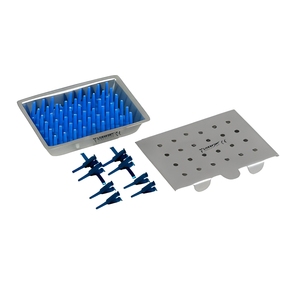
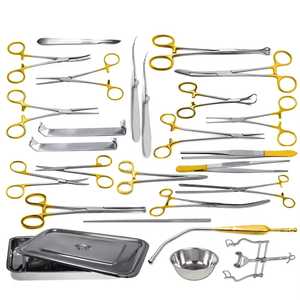
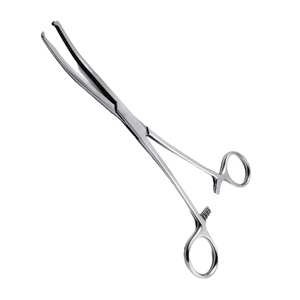
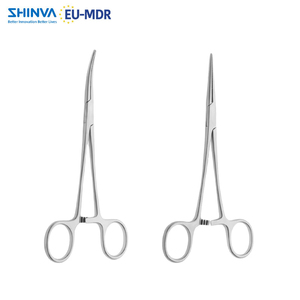
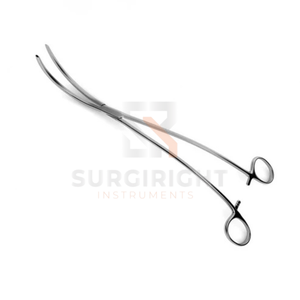
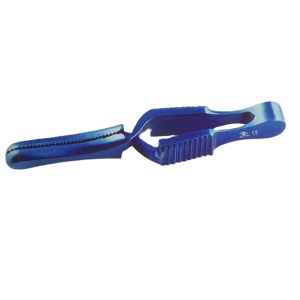
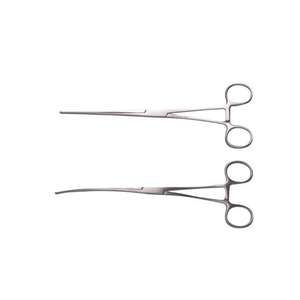
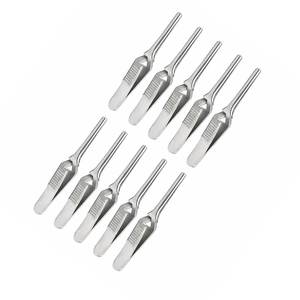
Thailand's healthcare infrastructure is undergoing unprecedented modernization, driven by the Royal Thai Government's strategic vision to cement the kingdom as the undisputed Medical Hub of Asia. This expansion spans tier-1 public university hospitals under the Ministry of Public Health (MOPH), prestigious private hospital networks such as Bangkok Dusit Medical Services (BDMS) and Bumrungrad International, and specialized surgical institutes across Bangkok, Chiang Mai, and the Eastern Economic Corridor (EEC). Consequently, the national demand for high-precision, reusable operating scissors and specialized surgical clamp systems has surged significantly.
For medical device importers, regional supply chain directors, and institutional procurement officers in Thailand, identifying direct manufacturing partners capable of balancing rigorous European metallurgical standards with competitive factory-direct pricing is paramount. Operating scissors—ranging from classic Mayo and Metzenbaum tissue-dissecting scissors to delicate Iris micro-scissors and tungsten carbide SuperCut models—represent foundational instrument capital. This whitepaper provides definitive insight into selecting tier-1 manufacturing exporters, understanding critical metallurgical tolerances, navigating Thai FDA compliance under the Medical Device Act B.E. 2562, and streamlining OEM private label partnerships.
Selecting an export partner for operating scissors requires evaluating edge retention (HRC 50–56 hardness), chemical passivation depth to survive high-humidity steam sterilization in Central Sterile Supply Departments (CSSD), and full raw material traceability back to certified German or Japanese martensitic steel mills.
The manufacturing process of surgical-grade operating scissors demands a sophisticated combination of drop-forging craftsmanship and precision computer numerical control (CNC) machining. S.S. Surgimed, operating from the world-renowned medical instrument cluster in Sialkot, Pakistan, utilizes high-purity martensitic stainless steels (AISI 410, AISI 420, and AISI 440) specifically selected for cutting edge stability and high tensile strength.
Operating scissors rely on exact shearing force generated at the point of blade intersection. Premium manufacturing ensures that the curvature, pitch, and blade tension allow clean, effortless tissue dissection without crushing tissue fibers. Micro-serrated patterns are precision-milled onto one blade to prevent slippage when cutting slippery vascular tissue or dense fascia, while the opposing blade features a hand-honed razor edge.
Uncontrolled heat treatment results in brittle blades susceptible to micro-chipping or soft edges that dull rapidly during surgical procedures. Our facility employs computer-controlled vacuum heat treatment furnaces followed by cryogenic stabilization. Blade edges achieve an optimized hardness rating of 50 to 56 HRC (Rockwell Scale C), while handles retain slight ductility to absorb mechanical stress during heavy surgical use.
For high-demand surgical environments in Thailand requiring extended service life, gold-handled operating scissors are fitted with tungsten carbide (TC) structural inserts. Vacuum-brazed onto the stainless steel working ends, TC inserts offer a hardness rating exceeding 70 HRC, extending cutting edge longevity up to five times compared to standard stainless steel instruments.
| Instrument Grade | Material Specification | Hardness (HRC) | Primary Clinical Application | CSSD Sterilization Cycles |
|---|---|---|---|---|
| Standard Surgical Steel | AISI 420 Martensitic Steel | 50 – 52 HRC | General Operating, Suture Cutting, Ward Care | 1,500+ Autoclave Cycles |
| SuperCut Razor Edge | AISI 440 High-Carbon Steel | 54 – 56 HRC | Delicate Tissue Dissection, Plastic Surgery | 2,000+ Autoclave Cycles |
| Tungsten Carbide (TC) | AISI 420 + TC Blade Inserts | 70+ HRC (Edge) | High-Volume Operating Theatres, Orthopedics | 5,000+ Autoclave Cycles |
| Austenitic Non-Cutting | AISI 304 / 316 Stainless Steel | 25 – 30 HRC | Sterilization Trays, Holloware, Non-Cutting Handles | Unlimited Lifecycle |
Understanding local market deployment is essential for surgical exporters supplying Thailand. Hospital procurement requirements vary significantly across different healthcare sectors in the country:
Exporting surgical instruments into Thailand requires full adherence to the regulatory framework established by the Food and Drug Administration of Thailand (Thai FDA) under the Ministry of Public Health, governed by the Medical Device Act B.E. 2552 (and its 2019 amendments B.E. 2562).
Reusable operating scissors and manual surgical clamps fall under Class I medical device regulations (General Medical Devices). International manufacturers must provide their Thai distribution partners with robust technical documentation, including:
Unmatched Manufacturing Capabilities Engineered for Global B2B Supply Chains
From certified raw steel bar stock to final drop-forging, we control mechanical grain alignment to ensure max fracture toughness under extreme surgical loads.
Every scissors pair undergoes ultrasonic cleaning and chemical passivation to build an impenetrable oxide layer preventing pitting and discoloration in CSSD steam.
Custom fiber-laser etching of your company logo, catalog SKU, LOT batch codes, and UDI data matrix codes directly onto handle shanks for full traceability.
Specialized edge geometries combining a razor-sharp cutting blade with a micro-serrated opposing blade for non-slip tissue dissection in neuro and vascular surgery.
Eliminate intermediary trading margins by sourcing directly from our Sialkot manufacturing complex, enjoying high margin potential for distributor networks in Thailand.
Complete tech dossiers, CE documentation, ISO certificates, and material certificates provided to expedite your Thai FDA device notification process.
Direct Answers from Our Technical Sales & Regulatory Export Department
We forge operating scissors primarily from high-grade German and Japanese martensitic stainless steels, such as AISI 420 and AISI 440. These alloys provide superior Rockwell hardness (50–56 HRC) necessary for maintaining razor-sharp cutting edges. Non-cutting components like hospital holloware, trays, and specialized handles utilize austenitic AISI 304 or 316 steel for optimal corrosion resistance.
We provide a complete regulatory export dossier for every shipment, including ISO 13485:2016 certificates, ISO 9001 documentation, CE Declarations of Conformity, Certificates of Free Sale (CFS), and batch mill test certificates. These documents allow your regulatory team in Bangkok to seamlessly complete Class I medical device notifications with the Thai FDA.
We offer turnkey OEM and private label services for Thai healthcare brands. This includes custom high-precision fiber laser marking of logos, catalog SKU numbers, batch codes, and UDI data matrix codes. Additionally, we provide custom packaging solutions ranging from individually sealed pouch blister packs to branded rigid display boxes and custom surgical kit cassettes.
For standard catalogue patterns, our trial order MOQ starts at just 10 pieces per SKU to facilitate market evaluation. Repeat production orders ship within 15 to 25 working days. Custom OEM patterns requiring custom tooling or specialized blade geometry take 4 to 6 weeks, including sample approval. We regularly ship via air freight to Suvarnabhumi Airport (BKK) and sea freight to Laem Chabang Port.
Yes, all reusable operating scissors and surgical clamps manufactured by S.S. Surgimed are passivated and electro-polished to withstand repeated steam autoclaving cycles at 134 °C. We back our reusable instruments with a lifetime functional guarantee against manufacturing defects, material flaws, and premature joint failure under standard clinical usage.
Expand your surgical supply catalog with high-precision, ISO 13485 certified German steel instruments. Contact our export team today for factory-direct price lists, technical specifications, and sample evaluation sets.