 Surgical · Dental · Precision Instruments Surgical · Dental · Precision Instruments
 High-grade pure titanium and stainless steel osteosynthesis implants manufactured under rigorous international quality standards for hospital tenders and orthopedic suppliers across Nigeria.
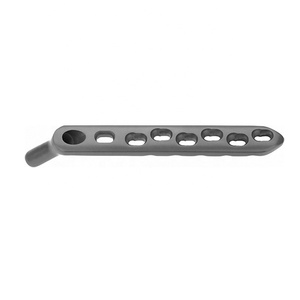
Designed for optimal fixation of proximal femoral fractures. Manufactured from high-purity Grade 4 titanium for biocompatibility and anatomical contouring in intertrochanteric osteotomies.
Send an Inquiry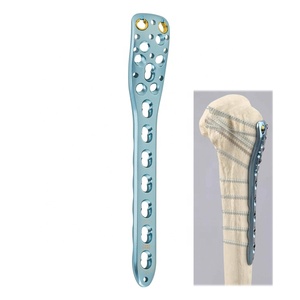
Polyaxial locking screw technology enabling precise directional screw placement for complex multi-fragment proximal humeral fractures, reducing screw back-out risks.
Send an Inquiry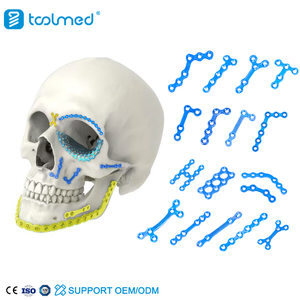
Low-profile titanium implant system engineered for maxillofacial reconstruction and trauma repair. Excellent malleability with rigid interfragmentary stability.
Send an Inquiry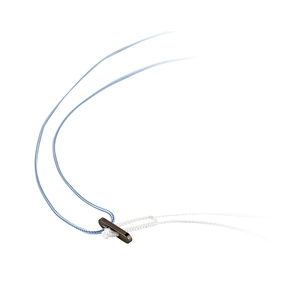
Advanced sports medicine fixation device featuring continuous loop adjustable architecture for precise graft tensioning during anterior cruciate ligament reconstruction.
Send an Inquiry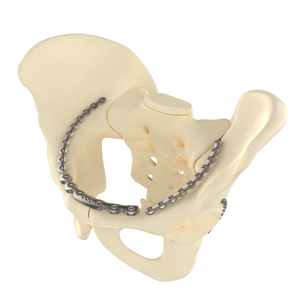
Pre-contoured stainless steel implant optimized for complex acetabular disruptions and pelvic ring reconstruction, offering outstanding torsional stability under heavy dynamic load.
Send an Inquiry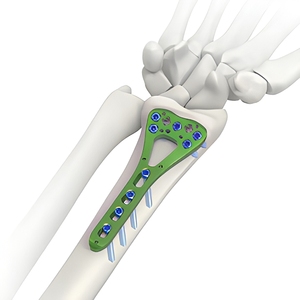
Anatomically shaped distal radius fixation system designed for complex intra-articular and extra-articular wrist fractures, preserving soft-tissue coverage.
Send an Inquiry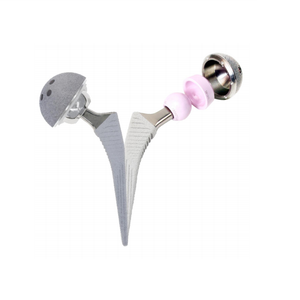
Bi-planar tapered cementless hip stem featuring plasma-sprayed titanium microporous coating for accelerated osseointegration and long-term joint revision reduction.
Send an Inquiry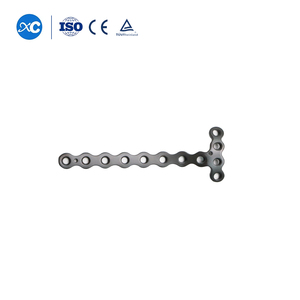
Specialized L-configuration plate providing rigid angular stability for diaphyseal and metaphyseal osteotomies and complex joint reconstruction procedures.
Send an InquiryNigeria’s healthcare infrastructure is undergoing a decisive transformation driven by demographic expansion, increased urban density, and substantial investments in both tertiary public hospitals and specialized private orthopedic surgical centers. As the most populous nation in Africa, the demand for high-precision orthopedic trauma implants, interlocking nails, joint prostheses, and craniomaxillofacial (CMF) fixation systems has escalated significantly over the past decade.
Procurement directors, orthopedic surgeons, and healthcare import distributors across major clinical hubs such as Lagos, Abuja, Port Harcourt, Kano, and Ibadan require manufacturing partners who understand the distinct biomechanical, clinical, and regulatory dynamics of the West African market. Sourcing medical devices in this sector demands uncompromising quality compliance, full metallurgical traceability, and robust supply chain continuity to withstand local market pressures.
High incidence of high-energy road traffic accidents (RTAs) along commercial transit arteries creates urgent surgical demand for rigid internal fixation plates, load-bearing dynamic hip screws (DHS), and intramedullary nails.
Surgeons in Nigerian teaching hospitals (e.g., LUTH, UCH, ABUTH, FMC centers) are rapidly transitioning from legacy non-locking plates to titanium multi-axial locking systems to manage complex comminuted fractures.
The National Agency for Food and Drug Administration and Control (NAFDAC) enforces strict compliance guidelines. Importers must work with manufacturers offering complete technical dossiers and Free Sale Certificates.
The Nigerian orthopedic implant market is characterized by three core structural evolution drivers:
To legally import and market orthopedic trauma hardware and joint replacements in Nigeria, medical device distributors must execute NAFDAC registration protocols. The regulatory authority requires comprehensive technical files, including ISO 13485:2016 Quality Management System certificates, CE Mark documentation under EU MDR/MDD regulations, Certificates of Analysis (COA), and Certificates of Free Sale (CFS) issued by the national health authority of the manufacturing origin.
Furthermore, shipments undergo pre-shipment inspection under the Standards Organisation of Nigeria Conformity Assessment Programme (SONCAP). Suppliers that deliver fully audited, laser-etched implants with full Unique Device Identification (UDI) data matrix code capabilities provide Nigerian importers with a seamless path through customs clearing and regulatory auditing.
Historically, stainless steel (AISI 316L) dominated public sector hospital tenders across Nigeria due to lower upfront unit costs. However, current clinical outcomes data from tertiary orthopedic centers reveal a decisive swing toward pure titanium (Grade 4) and titanium alloy (Ti-6Al-4V ELI) implants for internal fracture fixation.
Foreign exchange volatility (USD/NGN fluctuations) presents operational challenges for Nigerian medical device importers. Sourcing through multi-tiered European or American middle-tier distributors adds substantial cost overheads. Consequently, major Nigerian hospital networks and wholesale suppliers are forming direct factory relationships with OEM/ODM medical device manufacturers capable of delivering high-grade German and Japanese raw material-forged implants at factory-direct pricing structures.
Intertrochanteric and subtrochanteric fractures resulting from industrial injuries or vehicular collisions represent a major proportion of emergency admissions at Nigerian trauma centers. The application of Pure Titanium Dynamic Hip Screw (DHS) Compression Locking Plates and 3.5mm Curved Pelvic Locking Plates provides the rigid stabilization required to achieve early patient mobilization, reducing perioperative morbidity associated with prolonged bed rest.
Fragility fractures among aging urban populations and sports-related shoulder dislocations require specialized anatomical contouring. The Variable Angle Proximal Humerus Locking Plate allows surgeons to place locking screws at varying angles (up to 15-degree off-axis trajectories), enabling secure purchase in osteoporotic cancellous bone stock without compromising the articular surface.
Avascular necrosis (AVN) of the femoral head—frequently exacerbated by sickle cell hemoglobinopathy in West Africa—requires total hip joint replacement in young adult patients. Standard cemented stems often suffer early aseptic loosening in young active cohorts. The Cementless Total Hip Joint Replacement Stem, featuring plasma-sprayed titanium microporous coating, delivers immediate press-fit rotational stability and long-term biological fixation via bone ingrowth.
Below is a comparative breakdown of metallurgical performance metrics essential for orthopedic procurement decision-makers in Nigeria:
| Performance Parameter | Ti-6Al-4V Titanium Alloy | Pure Titanium (Grade 4) | 316L Stainless Steel |
|---|---|---|---|
| Elastic Modulus (GPa) | 110 GPa (Low Stress Shielding) | 105 GPa (Optimal Match) | 210 GPa (High Stress Shielding Risk) |
| Tensile Strength (MPa) | ≥ 860 MPa | ≥ 550 MPa | ≥ 580 MPa |
| Biocompatibility Profile | Exceptional (Osseointegrating) | Superior (Bio-inert) | Good (Risk of Nickel Sensitivity) |
| MRI / CT Artifact Risk | Minimal Artifacts | Minimal Artifacts | Significant Artifact Distortion |
| NAFDAC Market Trend (Nigeria) | Rapidly Growing (Private & Tertiary) | High Demand (Trauma Fixation) | Legacy Standard (Budget Public Tenders) |
Our manufacturing matrix operates on strict industrial quality assurance protocols designed to deliver precision surgical instruments and orthopedic implants to international distributors:
Every batch of titanium alloy (Ti-6Al-4V ELI) and stainless steel (316L/420/440) originates from accredited mills with complete spectrographic material certificates, ensuring chemical purity and tensile uniformity.
Machined using state-of-the-art 5-axis Swiss CNC equipment followed by vacuum heat treatment and controlled cryogenic stabilization to achieve micro-structural hardness and fatigue resistance.
Automated multi-stage ultrasonic cleaning and electrochemical passivation treatments form an impervious chromium/titanium oxide layer, preventing corrosion in storage and clinical deployment.





Elevate your hospital supply chain or wholesale distribution network in Nigeria with factory-direct, CE & ISO certified trauma, joint, and CMF implant systems.