 Surgical · Dental · Precision Instruments Surgical · Dental · Precision Instruments
 Forged from certified German and Japanese stainless steel, passivated to ISO 13485:2016 standards for European clinical procurement.
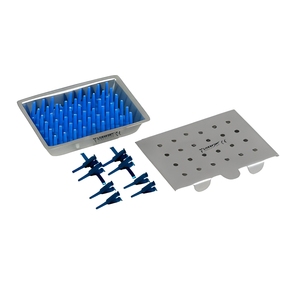
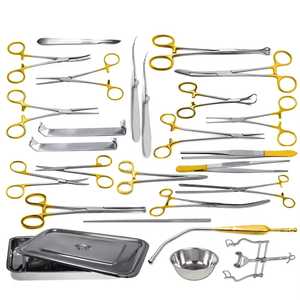
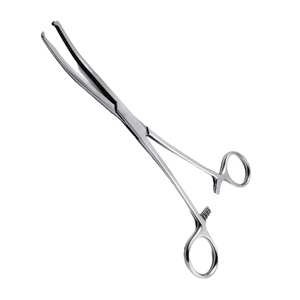
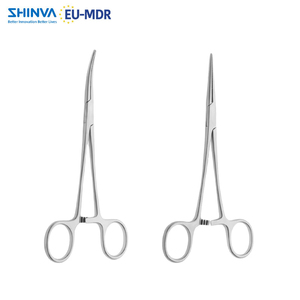
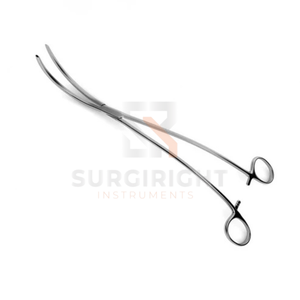
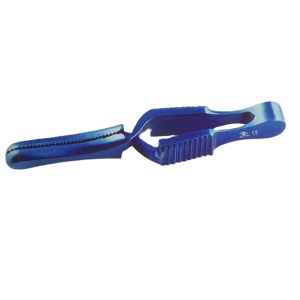
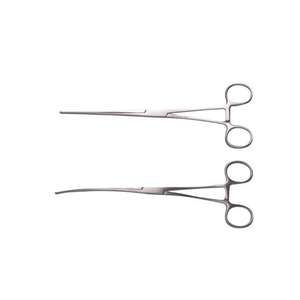
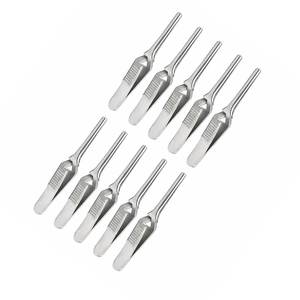
Poland has emerged as one of Central and Eastern Europe's primary hubs for medical device distribution, private hospital network growth, and specialized surgical equipment procurement. As public healthcare facilities funded by the Narodowy Fundusz Zdrowia (NFZ) undergo systematic modernization, and private networks such as Lux Med, Medicover, and Enel-Med expand their outpatient diagnostic footprint, the demand for ultra-durable, dimensionally precise, and fully compliant gynecological and general surgical speculums has reached an all-time high.
Surgical speculums—spanning Cusco, Graves, Kristeller, Collin, and specialized smoke-evacuation variants for electrosurgery—represent critical Class I reusable and single-use medical devices. For Polish hospital buyers, medical wholesalers, and tender distributors, sourcing from certified original equipment manufacturer (OEM) partners who maintain strict compliance with European Regulation (EU) 2017/745 (MDR) is essential to mitigating regulatory risk and ensuring long-term operational safety.
Forged exclusively from certified German and Japanese stainless steel heats (AISI 420, 440, 316L). Every batch is accompanied by 3.1 chemical composition mill certificates.
Advanced electro-polishing and fine-grit satin bead blasting prevent high-intensity operating light reflection, eliminating visual strain during delicate pelvic or abdominal procedures.
Every speculum and clamp features high-precision laser-etched UDI DataMatrix codes compliant with GS1 standards, supporting seamless track-and-trace across Central European CSSDs.
The structural integrity of a vaginal or operative surgical speculum relies heavily on stress-strain performance at the pivot joints, ratchet tension points, and blade margins. In superior manufacturing environments, martensitic stainless steels (such as AISI 420 with 0.15–0.40% carbon and 12–14% chromium) are selected for load-bearing structural arms, ensuring rigid dilation without mechanical flexing.
After initial forging and CNC profile milling, components undergo controlled vacuum heat treatment to reach a Rockwell hardness rating of HRC 45–52. This specific metallurgical window prevents structural fatigue, galling at joint screws, and jaw deformation during repeated high-temperature steam sterilization cycles (134 °C at 2.1 bar pressure).
| Instrument Category | Standard Alloy Grade | Hardness Index (HRC) | Surface Passivation | Primary Clinical Application |
|---|---|---|---|---|
| Cusco Vaginal Speculum | AISI 420 / X20Cr13 German Steel | 45 - 48 HRC | ASTM A967 Citric Passivated | Routine Outpatient Gynecological Examination |
| Graves Vaginal Speculum | AISI 420 Martensitic Steel | 46 - 50 HRC | Electro-Polished Satin Matte | Deep Pelvic Procedures & Cervical Biopsies |
| Kristeller Retractor / Speculum Set | AISI 304 / 316L Stainless Steel | Work Hardened Austenitic | Mirror Finish / Satin Polish | Inpatient Reconstructive Vaginal Surgery |
| Smoke Evacuation Speculum | AISI 420 with Polymer Insulated Coating | 48 - 52 HRC | Dielectric Non-Conductive Barrier | LEEP / LETZ Electrosurgical Cervical Procedures |
| Micro-Vascular Clamps & Hemostats | AISI 410 / 420 German Alloy | 48 - 52 HRC | Ultrasonic Citric Acid Treated | Neurosurgery, Plastic & General Hemostasis |
Tailored surgical solutions meeting the rigorous demands of Polish clinical environments, public academic hospitals, and private specialist clinics.
In high-volume municipal and private diagnostic centers across major Polish urban centers, gynecological examination speculums require swift screw-locking action and smooth, rounded blade margins. Cusco and Graves speculums forged with satin glare-reduction coatings allow clinicians to perform colposcopy, PAP smears, and IUD insertion with maximum patient comfort and absolute optical clarity under halogen or LED examination lamps.
Specialized Polish oncology centers and ambulatory gynecological clinics frequently deploy smoke-evacuation speculums integrated with dedicated evacuation ports. These speculums feature non-conductive dielectric polymer coatings that protect patients and surgical teams from accidental stray RF current during loop electrosurgical excision procedures (LEEP), while continuously removing hazardous surgical smoke plumes from the field.
Academic teaching hospitals (such as those associated with Warsaw Medical University and Jagiellonian University Medical College) utilize heavy-duty Kristeller and Breisky speculum/retractor systems. These modular stainless steel sets provide maximal depth visualization and sustained tissue retraction needed during vaginal hysterectomies, pelvic floor repair, and complex oncological resections.
In general operating theatres throughout Poland, high-precision vascular clamps (DeBakey, Bulldog clips) and hemostatic forceps (Kelly, Pean, Crile) work alongside abdominal retractor speculums. Polish procurement departments evaluate these instruments based on box-lock alignment precision, ratchet engagement durability, and zero-corrosion resistance after 500+ CSSD steam cycles.
Navigating medical device procurement in Poland requires a thorough understanding of the European regulatory ecosystem as enforced by the Polish Office for Registration of Medicinal Products, Medical Devices and Biocidal Products (URPL). Importers and hospital group purchasing organizations (GPOs) must ensure that all surgical speculums and operative clamp sets meet strict technical and legal thresholds:
All surgical speculums imported into or distributed within Poland must maintain active Class I medical device documentation, full technical files, robust clinical evaluation reports (CER), and authorized European Representative (EC REP) coverage.
Driven by Polish national sustainability goals and EU Green Hospital initiatives, healthcare institutions are prioritizing high-grade reusable stainless steel speculums over low-grade single-use plastic alternatives to reduce hazardous clinical plastic waste.
Modern Polish gynecological clinics are rapidly adopting premium speculum systems with integrated fiber-optic light guides, enabling shadowless illumination of the cervical canal without requiring bulky headlamps or external light stands.
From raw steel billet to sterile-ready delivery, every instrument follows a documented quality route inside our ISO 13485:2016 facility.
Mill certificate validation for German & Japanese stainless steel heats; spectral chemical analysis.
Hot drop forging of instrument blanks, maintaining structural grain alignment along load axes.
5-axis CNC profile milling of box locks, ratchet serrations, hinge points, and blade contours.
Computerized vacuum heat treatment and quenching to achieve target HRC 45–52 hardness rating.
Master artisans hand-adjust hinge tension, tip closure alignment, and ratchet engagement action.
ASTM A967 citric acid passivation and electro-polishing to build a stable chromium oxide layer.
Fiber laser marking of brand logos, catalog reference codes, LOT numbers, and GS1 UDI matrix.
100% functional, dimensional, and visual inspection prior to sterile-barrier or bulk packaging.
Direct answers to key technical, regulatory, and logistics queries from hospital procurement officers and medical importers.
We utilize certified medical-grade stainless steel imported from leading European and Japanese mills. Speculum blades, structural shanks, and clamp jaws are forged from martensitic AISI 420 (X20Cr13) and AISI 440 alloys for superior tensile strength and hardness. Non-cutting retractor handles, trays, and holloware are fabricated from austenitic AISI 304 and 316L stainless steels to provide maximum resistance against pitting corrosion during steam autoclave cycles.
Our manufacturing facility operates under an ISO 13485:2016 certified Quality Management System. All reusable Class I surgical instruments are CE marked in strict accordance with Regulation (EU) 2017/745 (MDR). We maintain technical documentation, Declarations of Conformity, appointed EC Representative (EC REP) representation, and registered EUDAMED actor data, providing Polish distributors and hospital buyers with seamless registration documentation for URPL notifications.
We offer comprehensive OEM manufacturing for distributors and medical device brands in Poland. Services include custom fiber-laser etching of corporate logos, catalog reference numbers, UDI DataMatrix barcodes, custom surface treatments (matte satin, black non-reflective ceramic, gold-plated ring handles, or dielectric polymer coatings for electrosurgery), customized IFUs (Instructions for Use in Polish), and custom pouch or kit box packaging.
For standard catalog items (such as Cusco speculums, Kelly hemostats, and DeBakey clamps), trial orders start from 10 pieces per pattern. Standard bulk production runs ship within 15 to 25 working days. For custom OEM patterns or bespoke speculum modifications requiring tooling setup, sampling and first article inspection (FAI) typically take 4 to 6 weeks.
Yes. All reusable surgical speculums and clamp sets undergo ultrasonic cleaning and chemical passivation according to ASTM A967 standards, forming a continuous chromium oxide surface film. They are certified for repeated steam autoclave sterilization at 134 °C (273 °F) for 18 minutes at 2.1 bar pressure. We back our reusable lines with a lifetime functional guarantee against manufacturing defects and intergranular corrosion.
We offer specialized surface treatments, including our signature micro-bead satin finish and non-reflective matte black titanium/ceramic coatings. These finishes absorb ambient operating room light and intense focal illumination from colposcopes or surgical headlights, eliminating visual glare for clinicians during delicate pelvic and vascular operations.
Request our complete 2024–2025 European Surgical Instrument Catalog, schedule an OEM consultation, or request technical sample kits for your Polish hospital tender.